

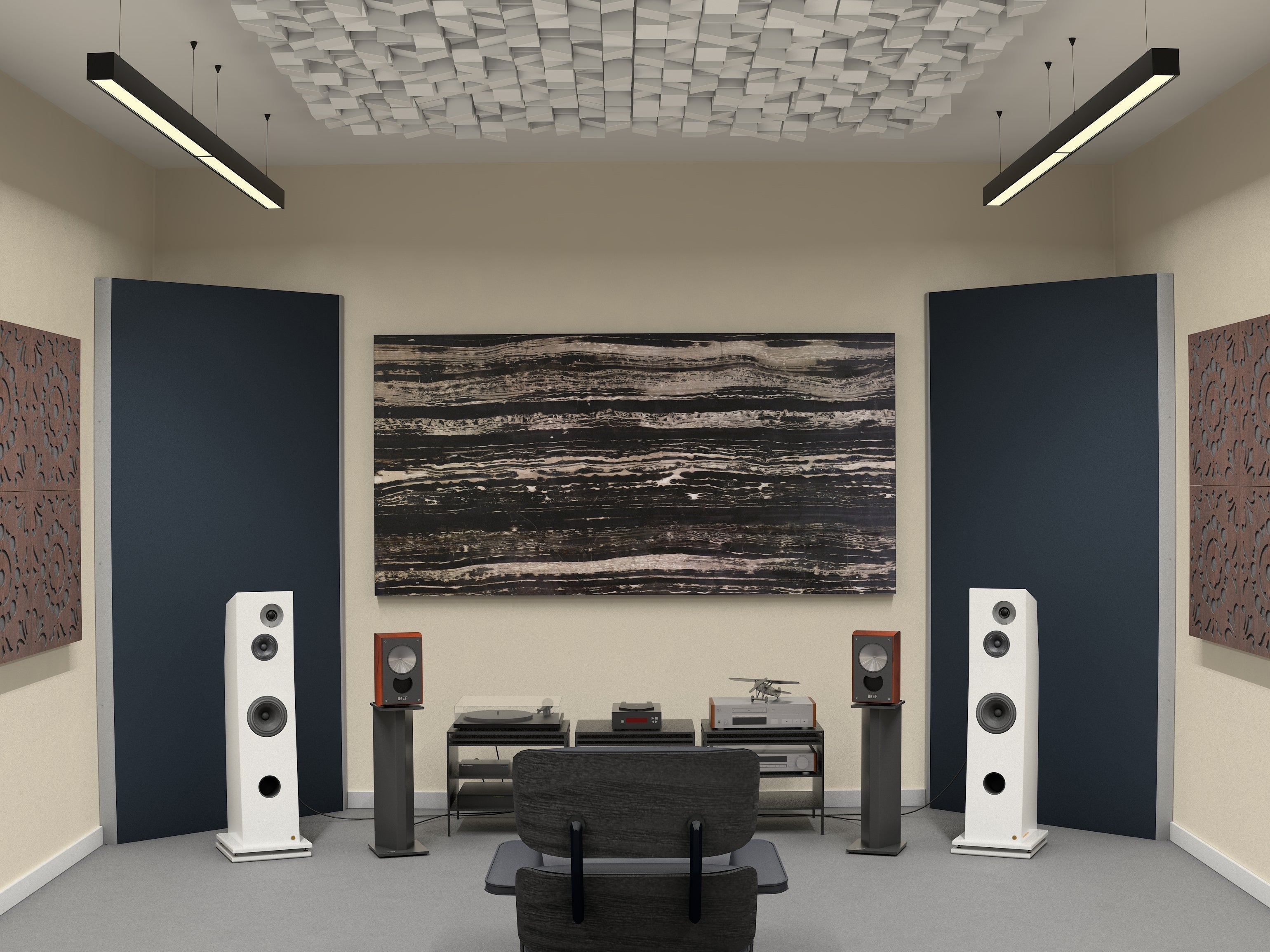
If you have ever noticed that bass sounds heavy and boomy in one part of a room and then almost disappears just a short distance away, you have already experienced room modes. They are one of the most common reasons why even a high-quality sound system can sound uneven from seat to seat.
The frequencies of room modes are determined by the room itself, while their audible impact depends strongly on loudspeaker, subwoofer and listener placement.
This article explains what room modes are, why they occur and how their effects can be controlled.
Understanding room modes
At certain frequencies, known as room resonance frequencies, standing waves can develop inside a room. These natural resonances are called room modes. Each mode occurs at a specific frequency and creates its own spatial pattern of sound pressure.
The frequencies of these modes depend mainly on the dimensions and geometry of the room. When a sound source produces energy at or near one of them, the room reinforces that frequency, creating areas of higher and lower sound pressure. The location of these areas changes from one mode to another.
In simple terms, at certain low frequencies, the room behaves like an instrument of its own, adding its own character to the sound being reproduced.
Standing waves: the mechanism behind room modes
Room modes are associated with standing waves, so it helps to understand what a standing wave actually is.
A standing wave forms when sound waves of the same frequency travel in opposite directions and interfere with each other. For example, a sound wave leaving a loudspeaker can interact with its reflection from an opposite wall. The resulting pressure pattern remains fixed in space, with pressure maxima and minima occurring at consistent positions in the room.
These fixed pressure patterns are what make room modes so noticeable. Some listening positions may lie close to a pressure maximum, where that frequency sounds excessively strong, while others may lie close to a pressure minimum, where it is strongly reduced.

Why do room modes happen, especially in small rooms?
Room modes arise from the relationship between sound wavelength and the dimensions of the room. Low frequencies have long wavelengths, and resonance occurs when one or more room dimensions correspond to an integer number of half-wavelengths.
All enclosed rooms have modes, but in small rooms the low-frequency modes are more widely spaced and therefore more individually noticeable. Modes may involve one room dimension, two dimensions or all three, corresponding respectively to axial, tangential and oblique modes.
Home cinemas, control rooms, and Hi-Fi listening rooms are often modest in size, placing their most troublesome modes within the frequency range that matters for music and film reproduction.
This is especially relevant in modern home cinemas, where subwoofers reproduce a large amount of low-frequency content. The placement of the subwoofers and listening positions strongly influences which modes are excited and how they are perceived. Moving a subwoofer or a seat can therefore change the bass response dramatically.
What room modes do to your sound
Because room modes create areas of maximum and minimum pressure, they cause certain low frequencies to be excessively accentuated in some parts of the room and strongly attenuated in others.
The difference can be substantial. One seat may have a heavy, boomy low end, while another may sound thin or lack bass at the same frequencies. The low-frequency response can therefore vary significantly between listening positions.
For any critical-listening space - a control room for recording, mixing or mastering, a home cinema, or a high-end Hi-Fi room, this uneven low-frequency response is a real problem. It compromises the accuracy of what you hear and, ultimately, your ability to trust the room.
How to control room modes
You cannot make room modes disappear, as they are determined by the room’s dimensions and boundaries. However, their effects can be significantly reduced, resulting in a smoother, more controlled and more accurate low-frequency response. One of the most effective passive solutions is the use of bass traps.
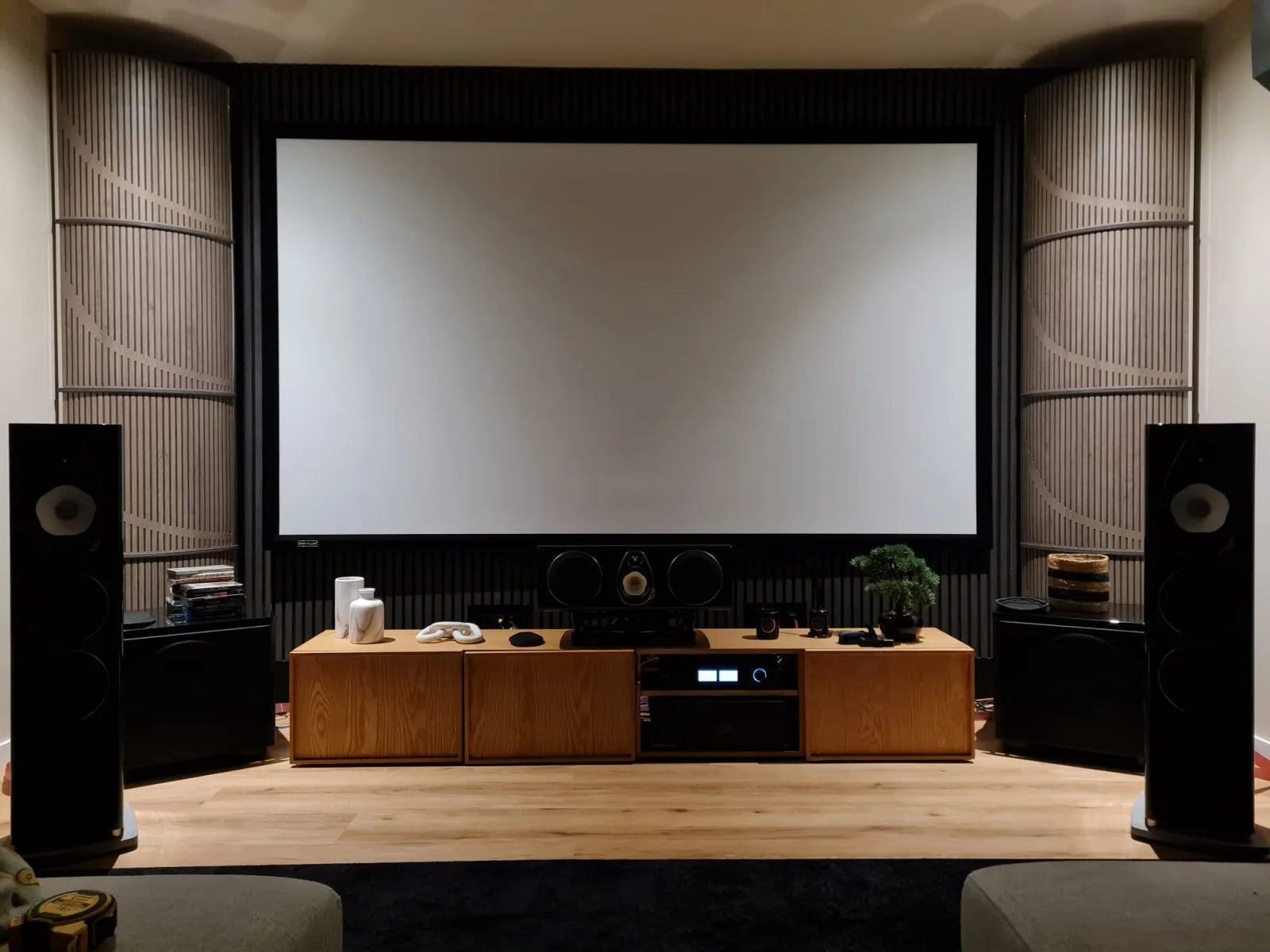
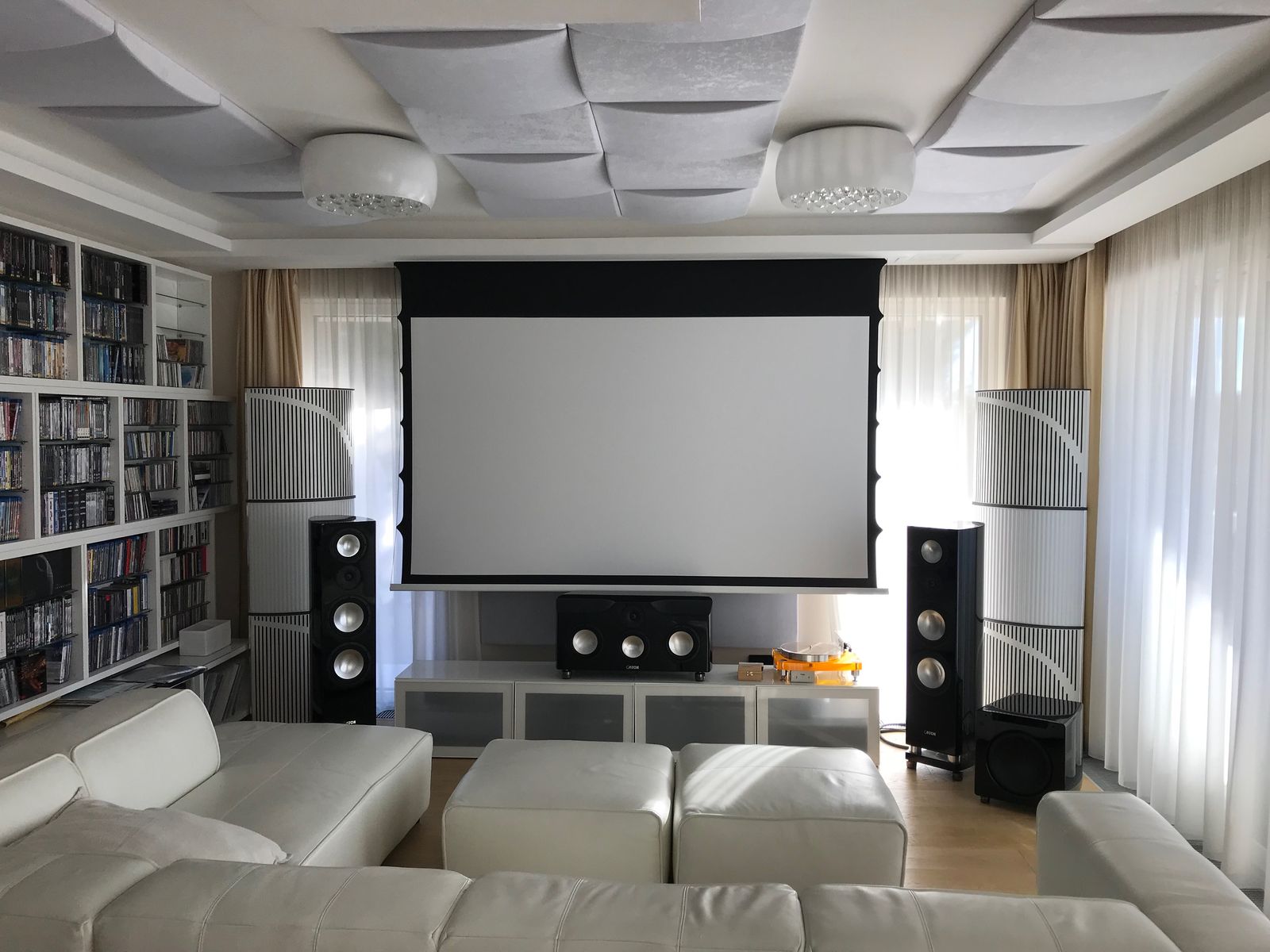
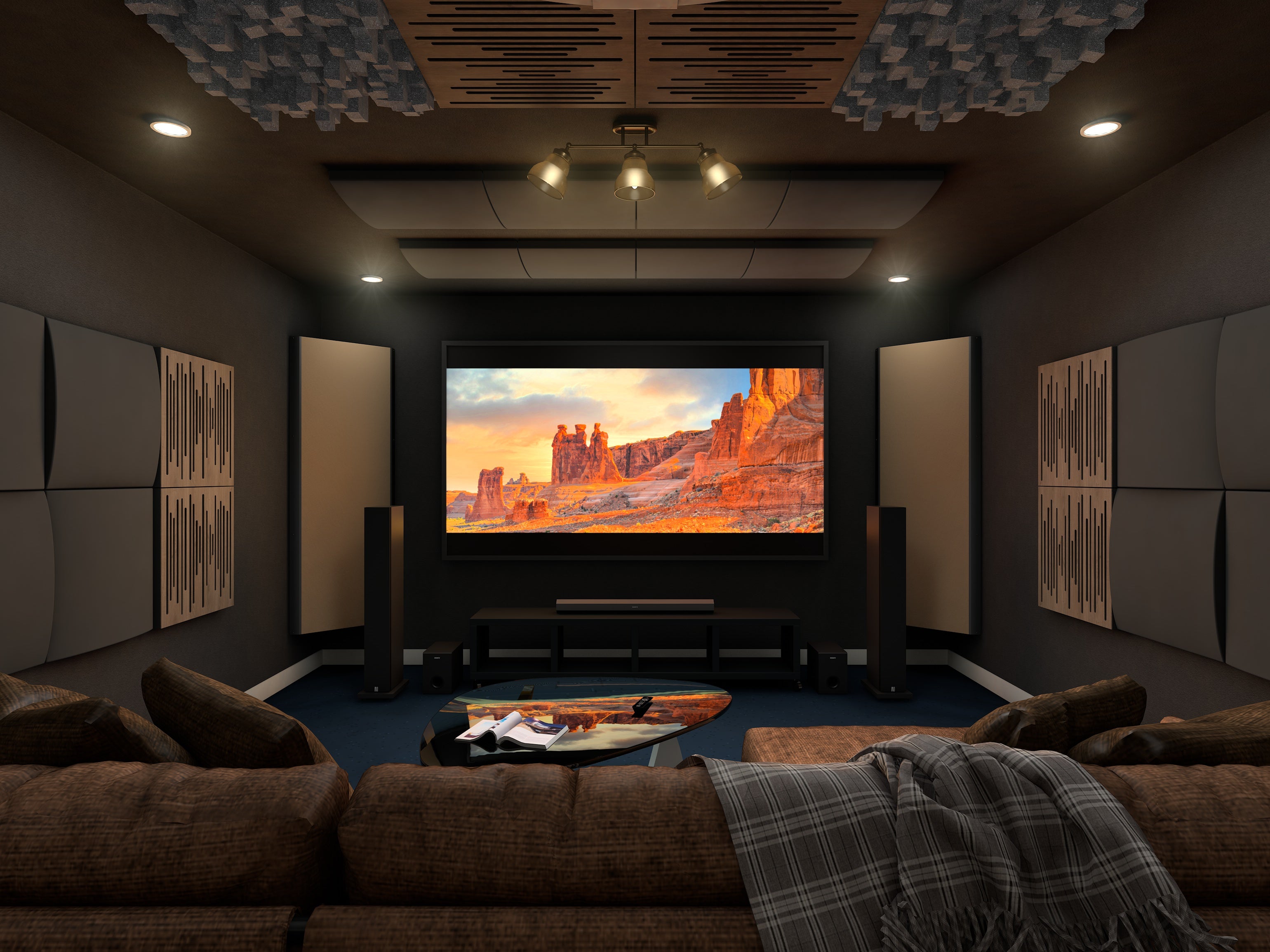
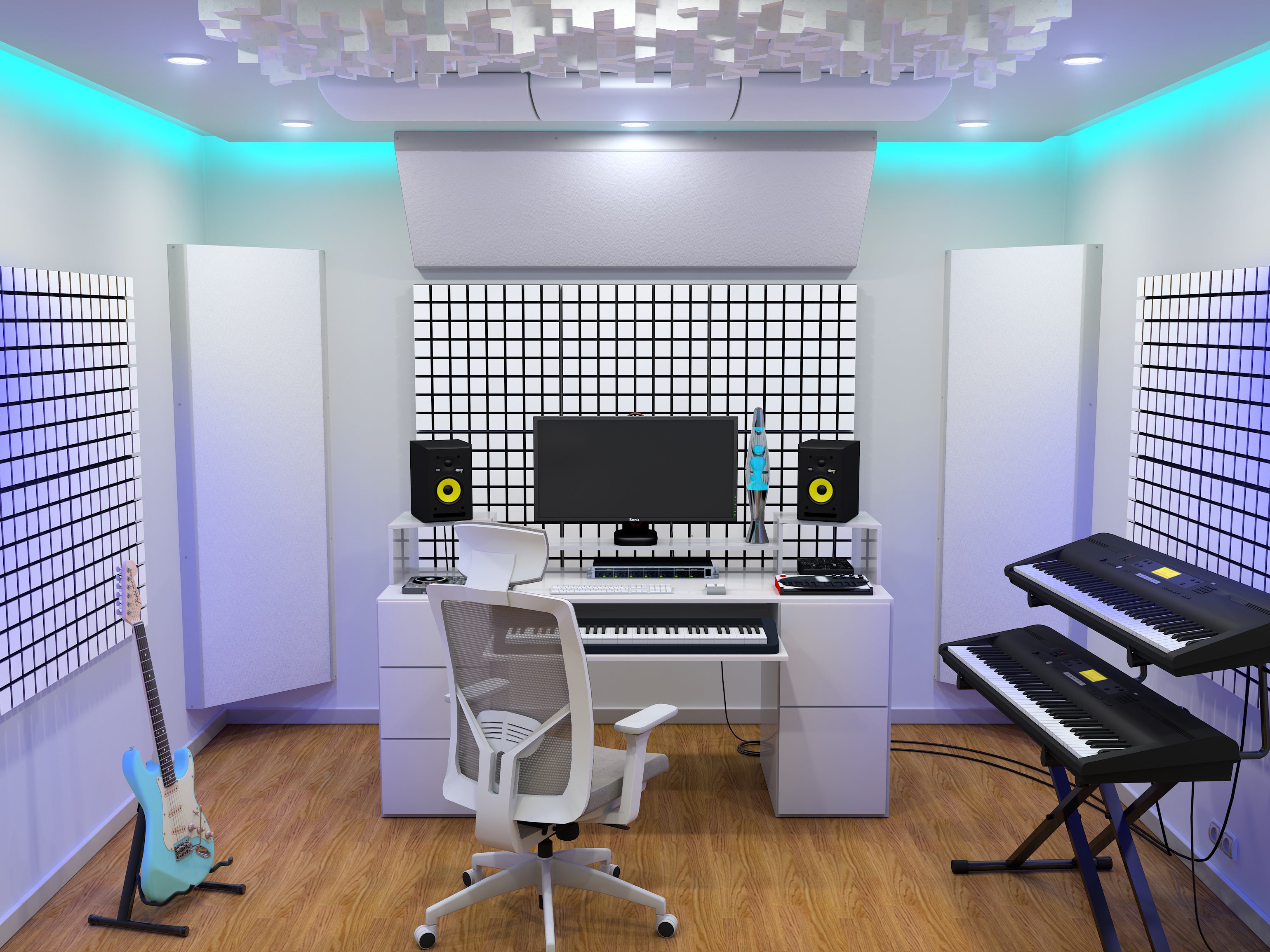
Bass traps absorb low-frequency energy, helping to reduce modal peaks and shorten excessive bass decay. Corners are often particularly effective locations because several room boundaries meet there, allowing multiple modes to be addressed at the same time.
When combined with appropriate loudspeaker, subwoofer and listening-position placement, well-distributed low-frequency treatment can improve bass consistency throughout the listening area and enhance the overall acoustic balance.
UniVicoustic offers a range of bass trap solutions designed for this purpose:
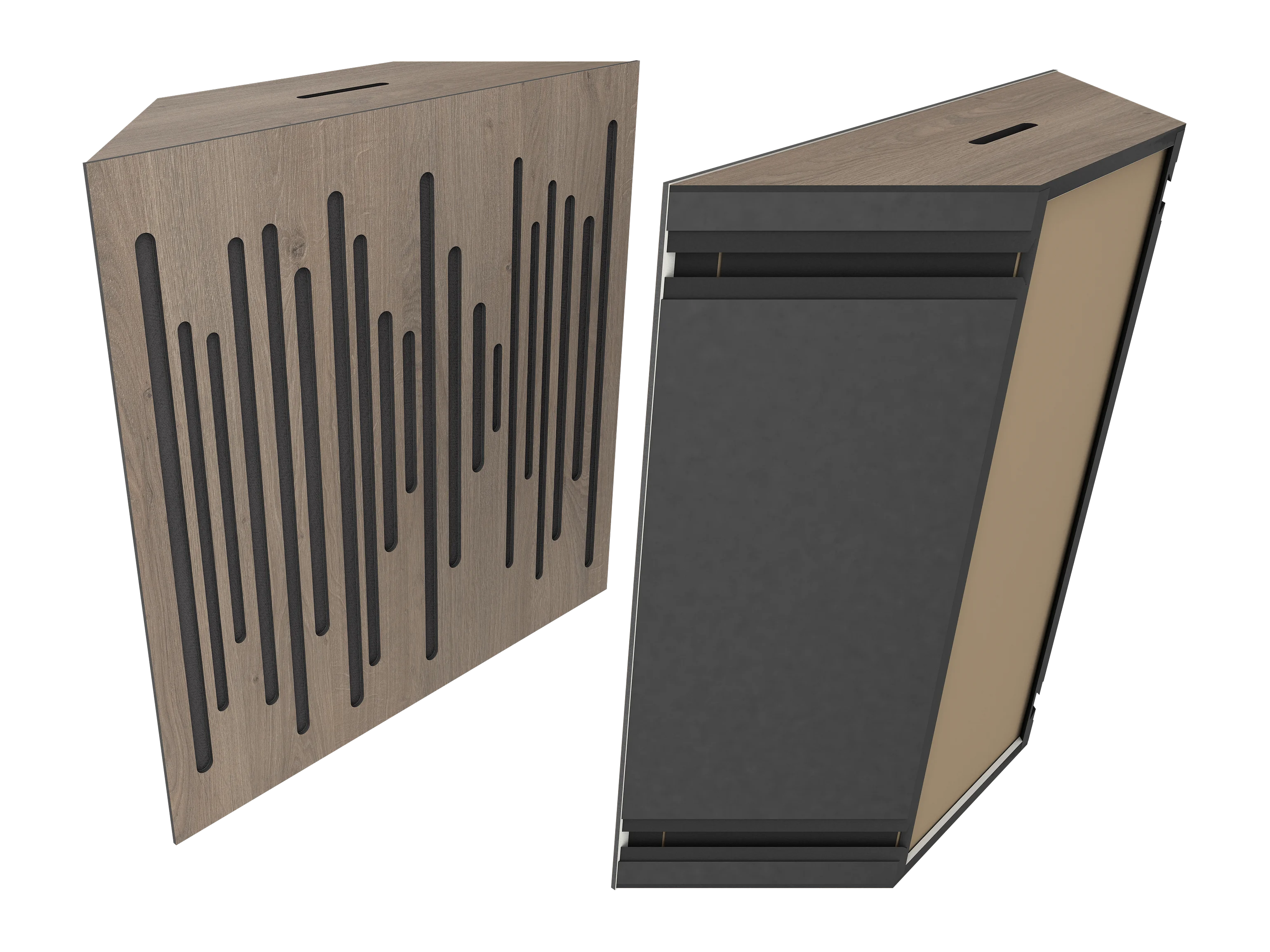
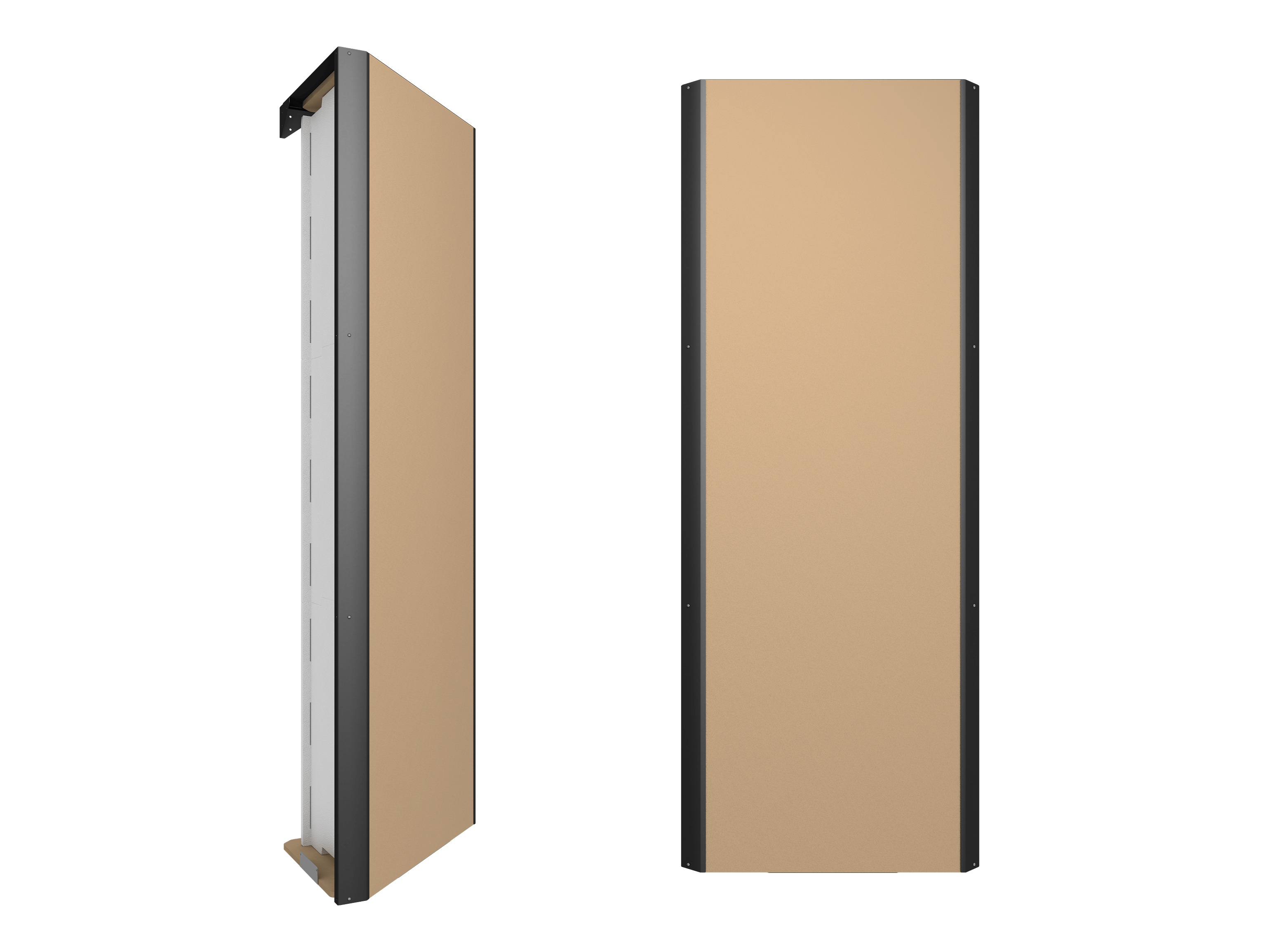
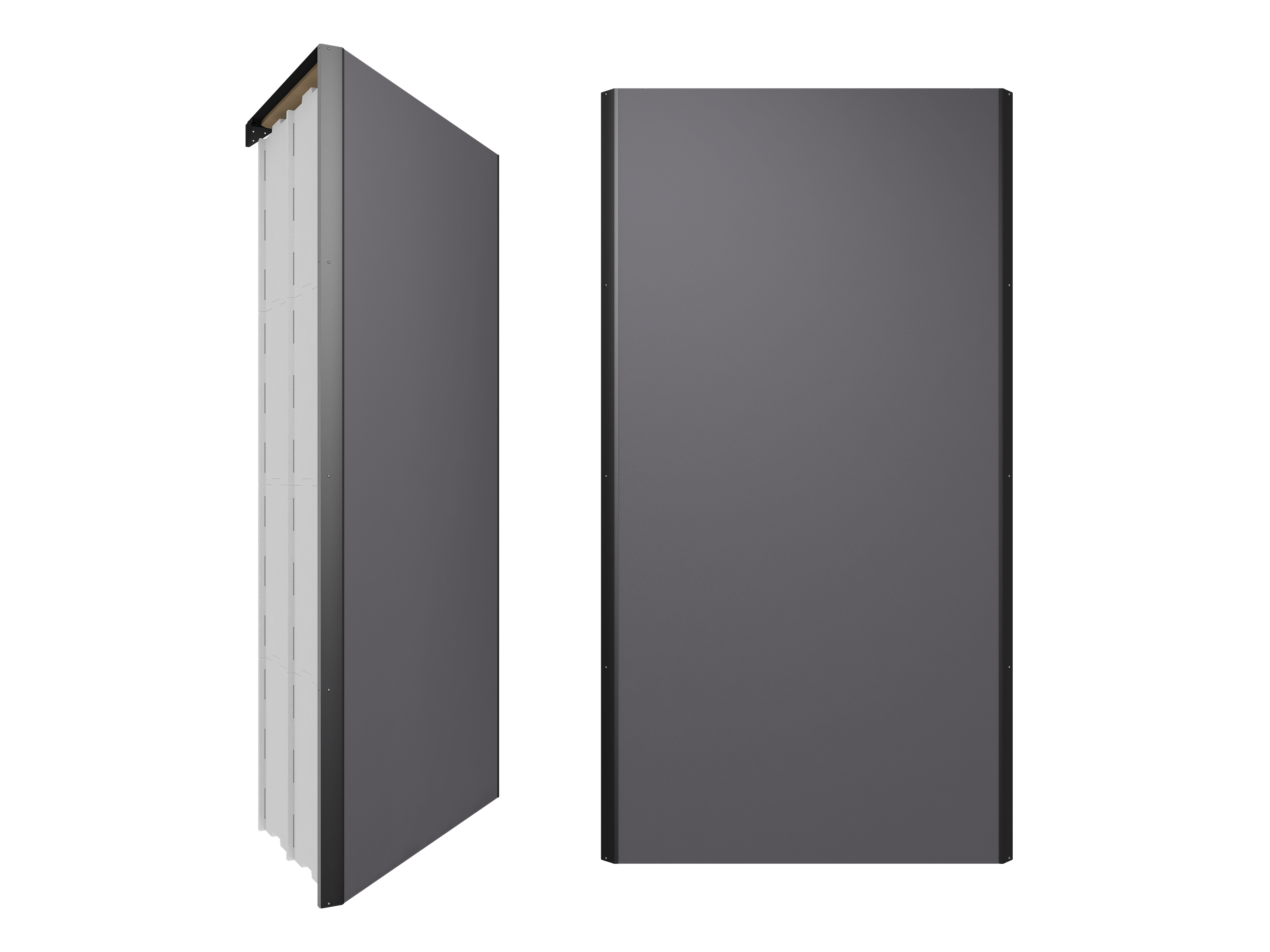
- Super Bass Extreme Ultra (and the Super Bass Extreme Ultra VMT version) - designed for corner mounting, it provides effective low-frequency control, with its strongest performance centred around 100 Hz and useful absorption across the 75 to 125 Hz range.
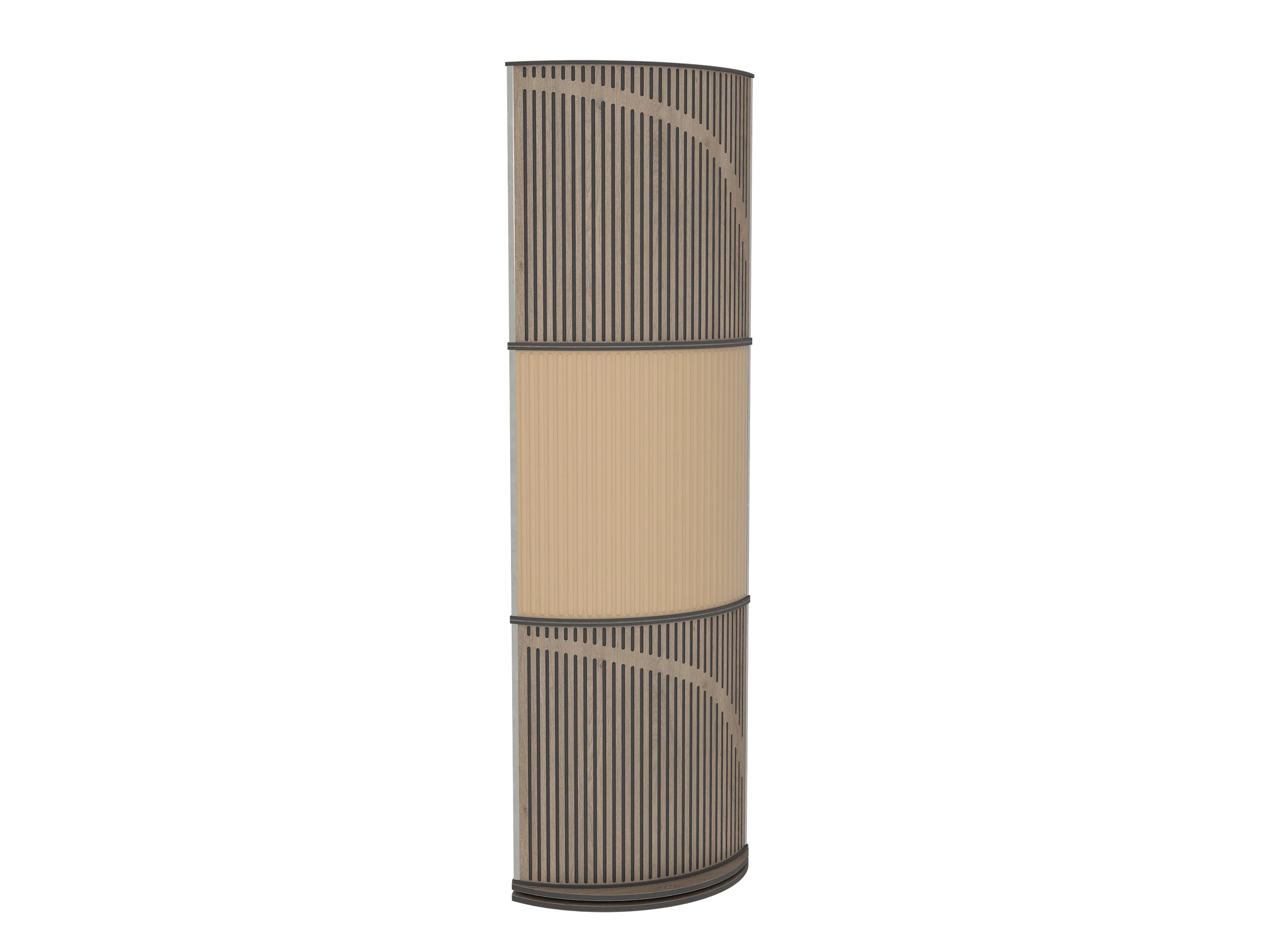
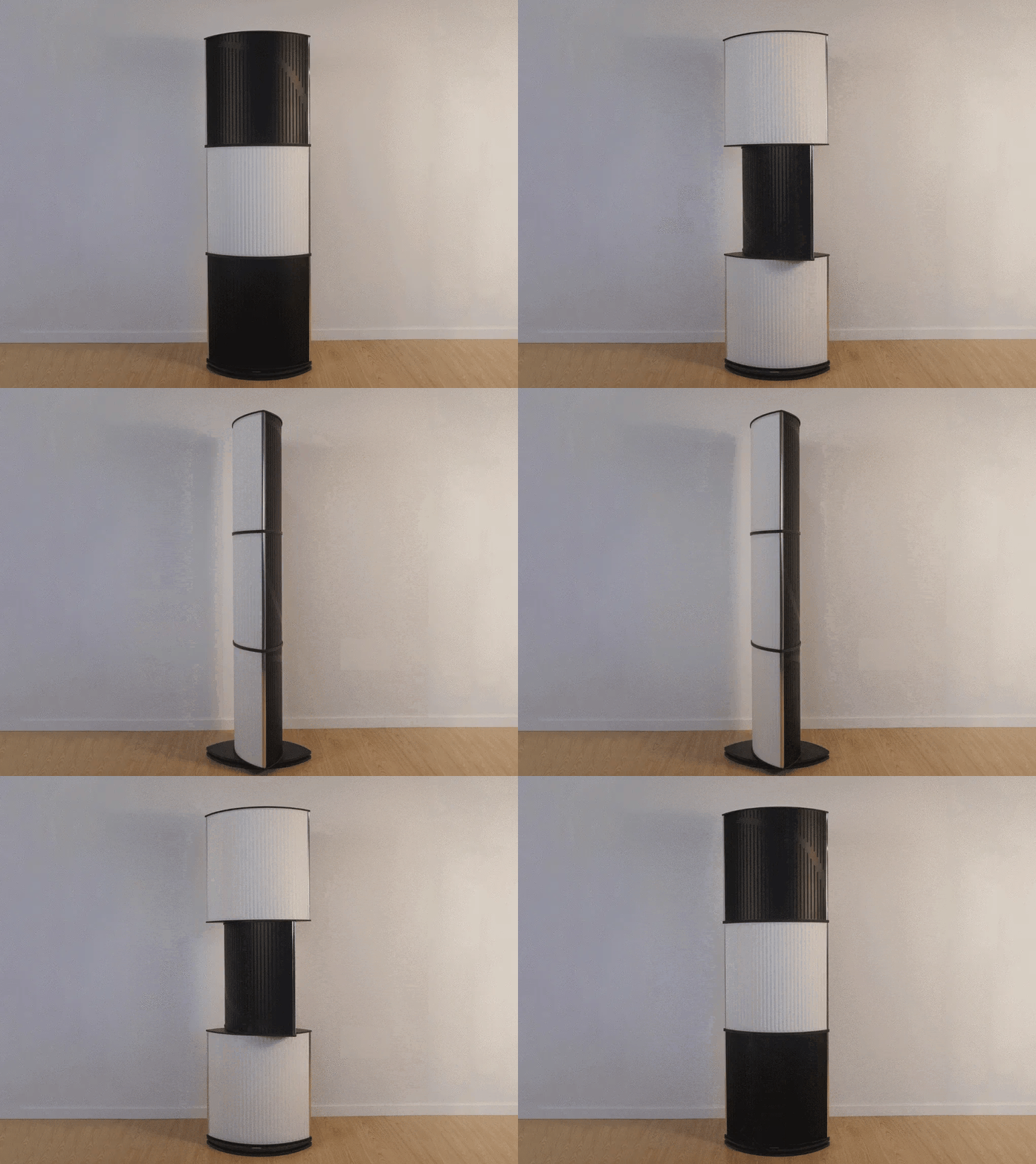
- VicTotem Ultra VMT - Depending on which face is exposed to the room, the VicTotem Ultra VMT provides different absorption characteristics, allowing the user to optimise the balance between low-frequency control and mid/high-frequency absorption or diffusion.
- Mega Bass Trap VMT and Mega Bass Trap VMT XXL - broadband bass traps for controlling the low end, with the XXL delivering performance from 50 Hz upwards.

Getting it right for your room
Every room resonates differently because its dimensions, proportions and geometry are unique. That is what makes room modes challenging, and why a considered acoustic design always outperforms guesswork.
If you are designing or treating a home cinema, control room or Hi-Fi listening room and want a smoother, more consistent low-frequency response, UniVicoustic’s team of senior acoustic engineers and designers can help you develop an acoustic solution tailored to your space.


Share:
What Is Flutter Echo? A Complete Guide to Causes and Fixes
UniVicoustic Achieves ISO 9001:2015 Certification