


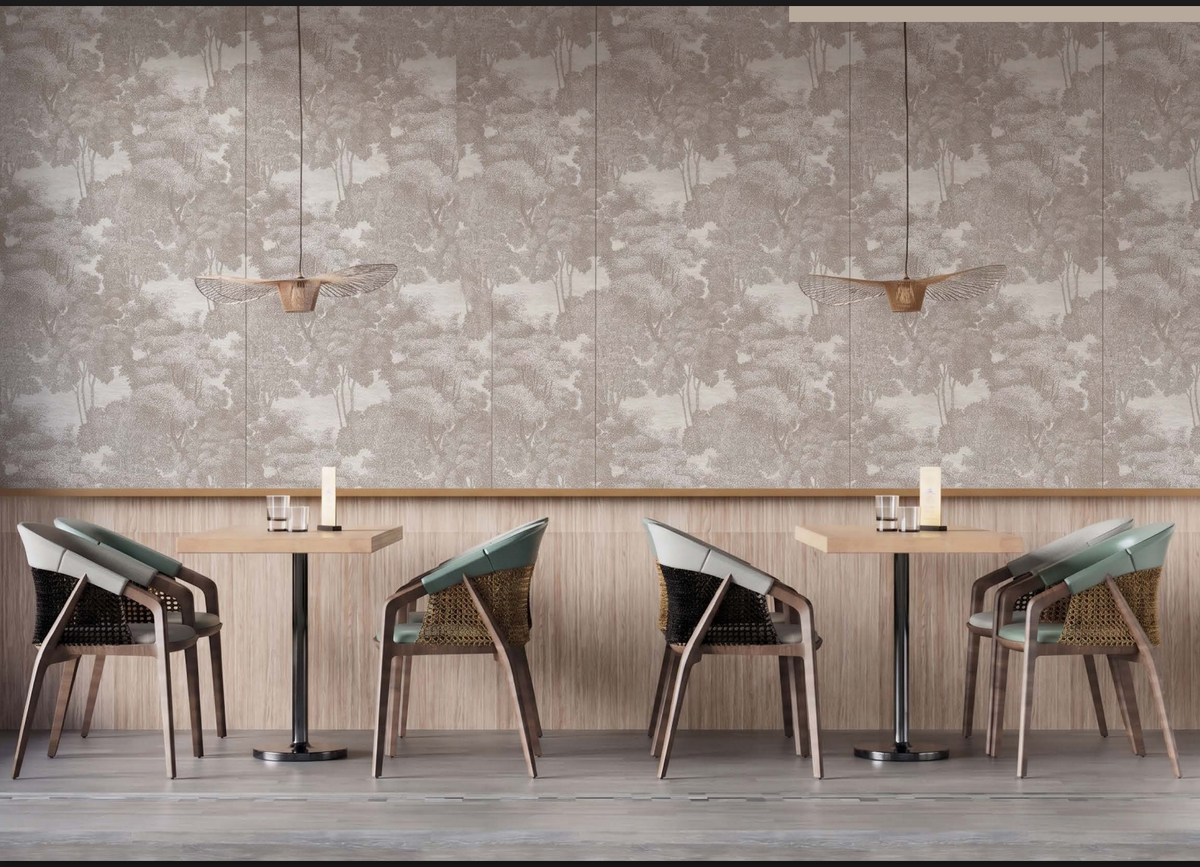
Hard surfaces such as glass, concrete and plasterboard reflect sound, potentially increasing reverberation and making speech harder to understand.
Acoustic panels installed on walls and ceilings help absorb sound and improve the acoustic environment. But for anyone designing an interior, there is another consideration: how will the panels look?
VMT, short for Virtual Material Technology, allows UniVicoustic acoustic panels to feature solid colours, printed images and finishes inspired by materials such as wood, stone and concrete. This gives designers greater freedom to combine acoustic treatment with the visual character of a space. In this guide, we explore VMT technology, its acoustic function and its applications, from restaurants and airports to professional recording studios.
VMT at a Glance
- Several technologies in one panel. A single VMT panel brings together sound absorption, thermal insulation, fire safety, a washable surface and easy installation, on top of its decorative finish.
- Strong absorption for its thickness. Flat Panel VMT reaches an NRC of 0.55 at just 20 mm and 0.70 at 40 mm. With a 20 mm panel mounted on VicSpacer Plus MKII, the NRC rises to 0.95.
- Thermal insulation. The same panel also contributes to the thermal insulation of the wall or ceiling it covers, as an added benefit to its acoustic role.
- Fire safety. Flat Panel VMT is classified Euroclass B-s2,d0 in Europe and Class A under ASTM E84 in the United States, with Canadian classification to CAN/ULC S102. This makes it suitable for restaurants, offices, schools and airports.
- Washable. VicPET Wool is washable, so panels in busy spaces can be cleaned rather than replaced.
- Easy to install. VMT panels are lightweight and easy to cut on site. Flat Panel VMT can be glued, fixed with Velcro or installed in T-Bar ceilings, and the VicFix and VicSpacer systems cover most other situations.
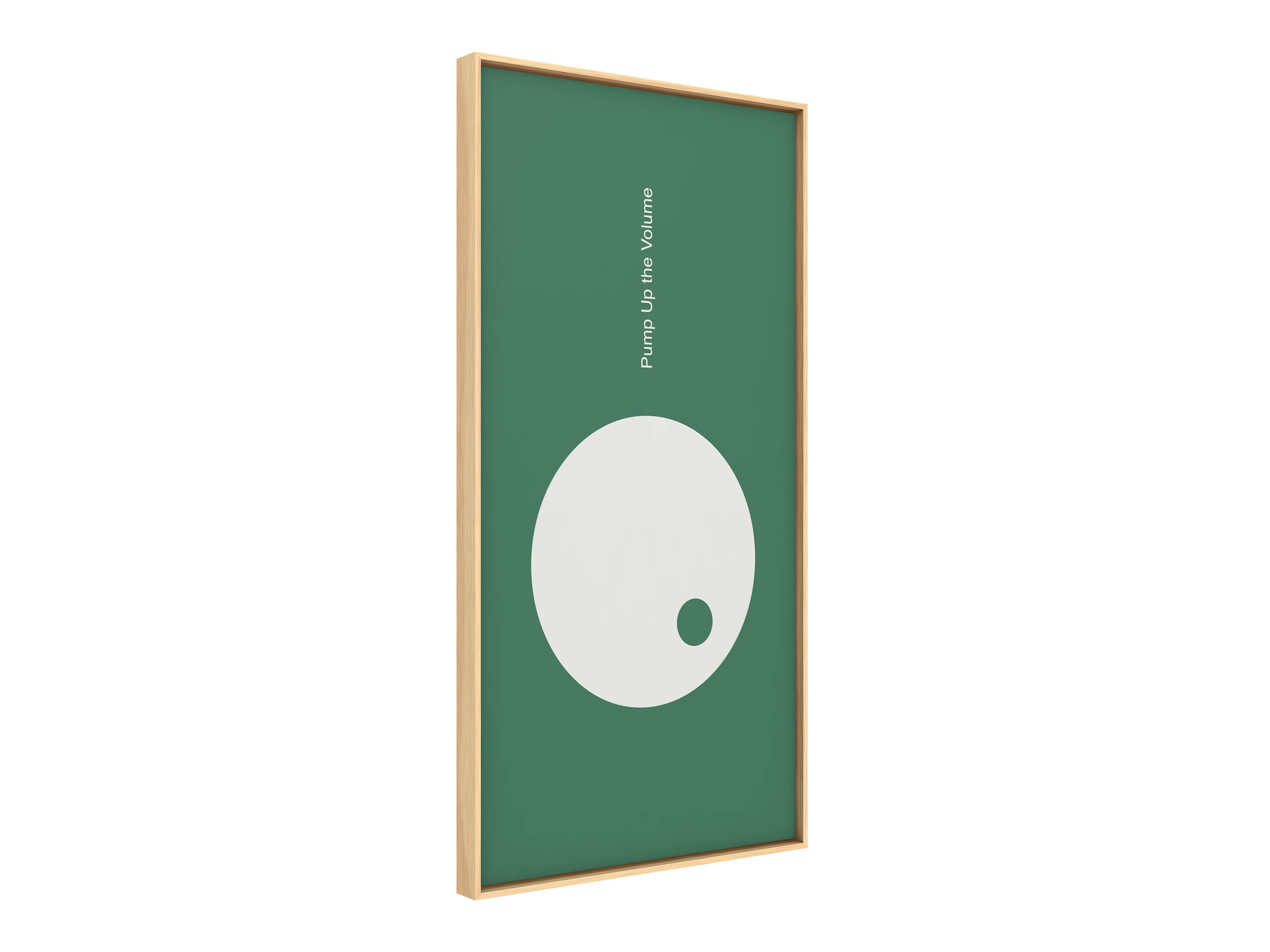
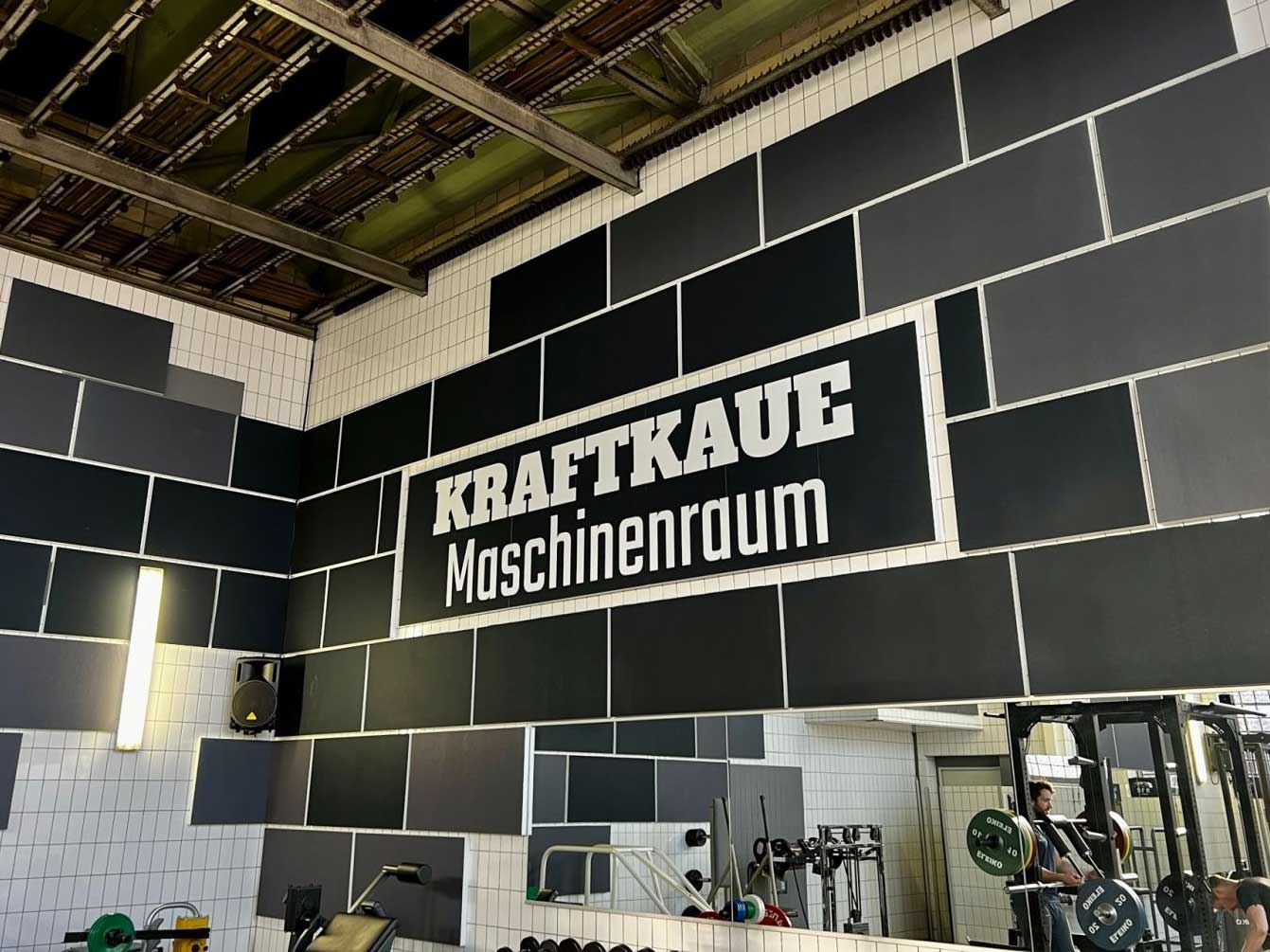
- Design freedom. Any colour, pattern, image, logo or signage can be bonded industrially to the panel without affecting its acoustic qualities.
-
Sustainable and low-emitting. Each box of eight 595 × 595 mm Flat Panel VMT panels recycles 227 plastic bottles. VicPET Wool holds the French A+ VOC label and OEKO-TEX Standard 100 certification, and VMT panels can contribute to LEED, WELL and BREEAM credits.
What Is VMT (Virtual Material Technology)?
VMT stands for Virtual Material Technology. Developed by UniVicoustic, this technology allows colours, patterns and full images to be applied to sound-absorbing panels, combining acoustic performance with a wide range of decorative finishes.
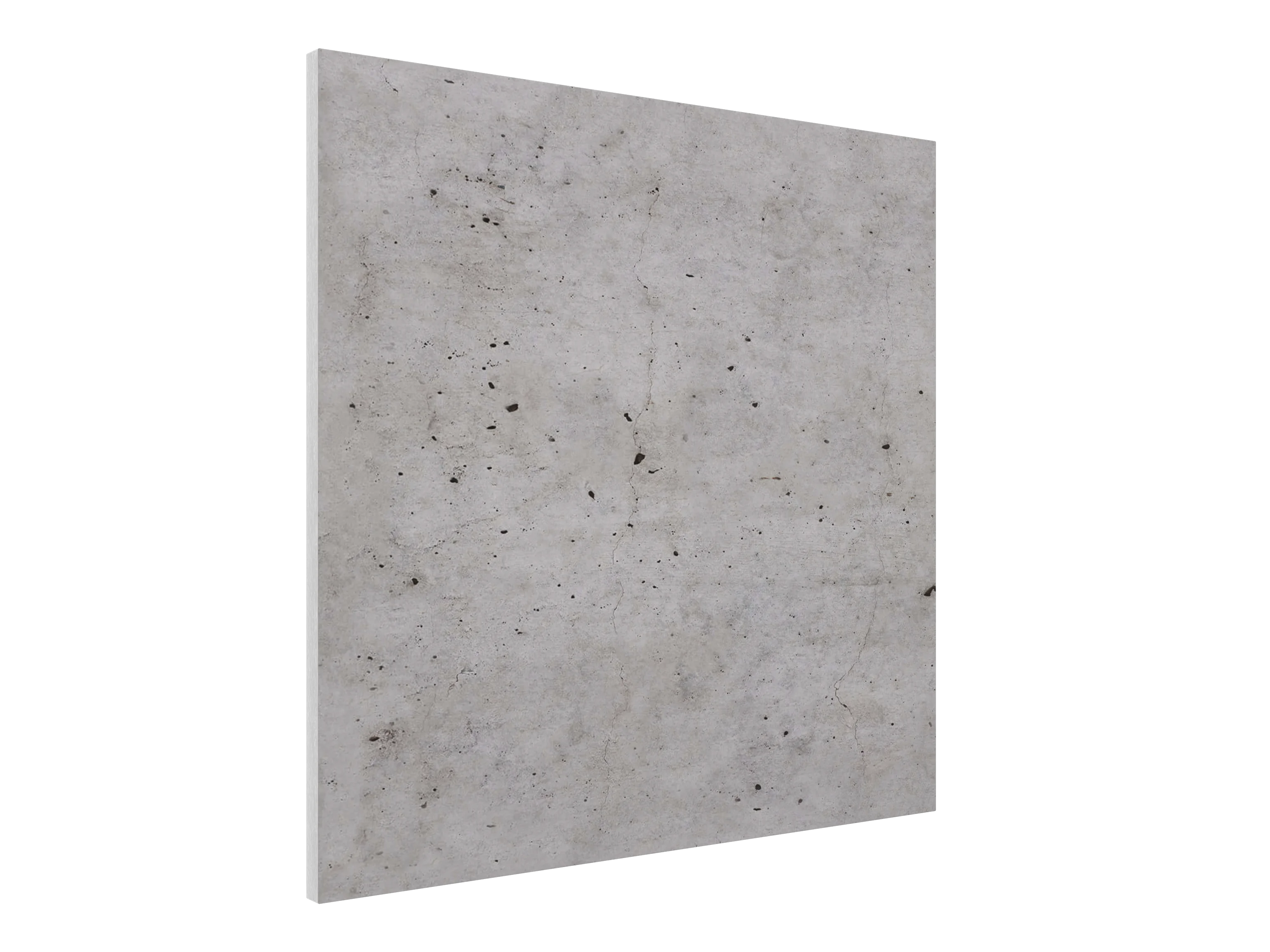
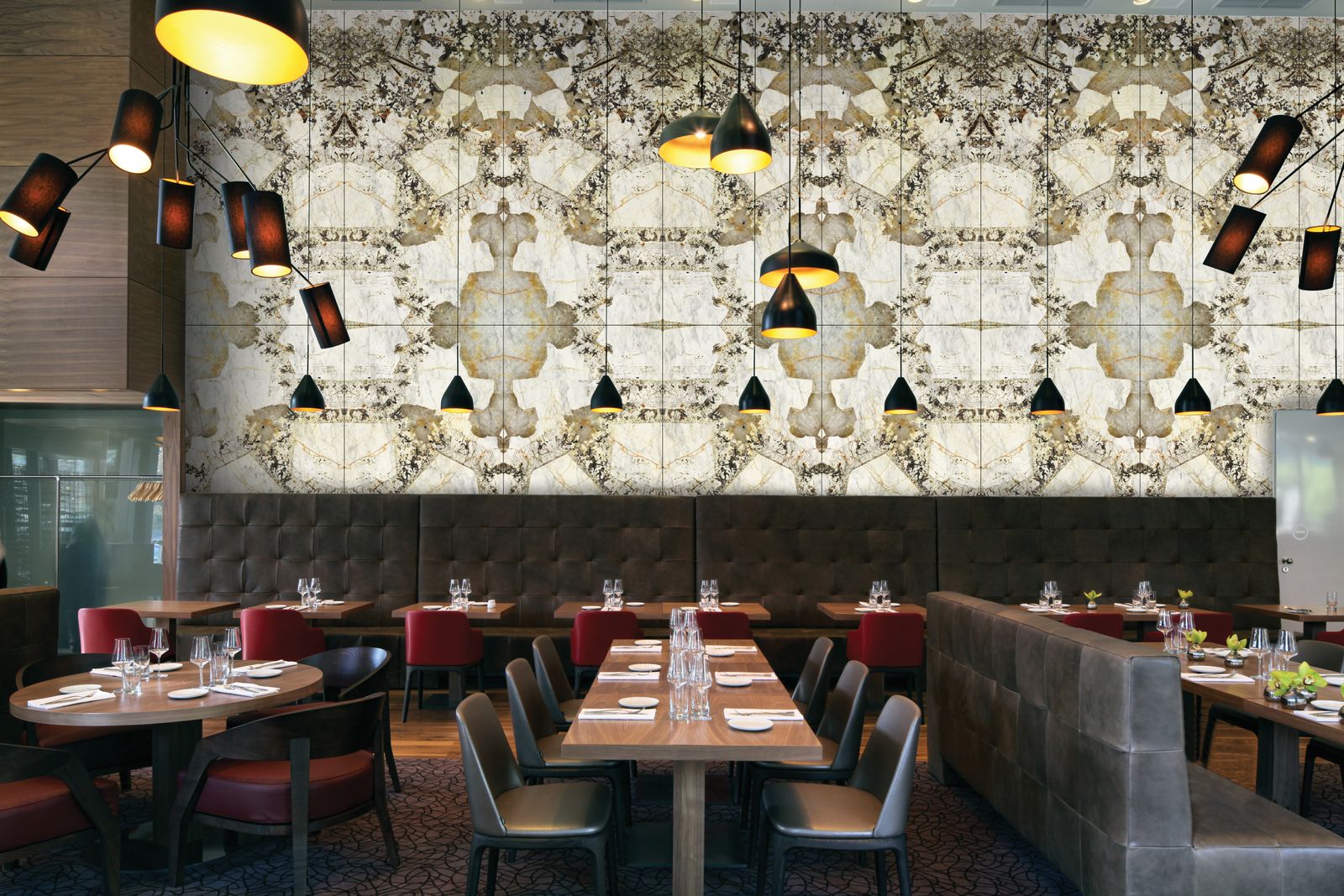
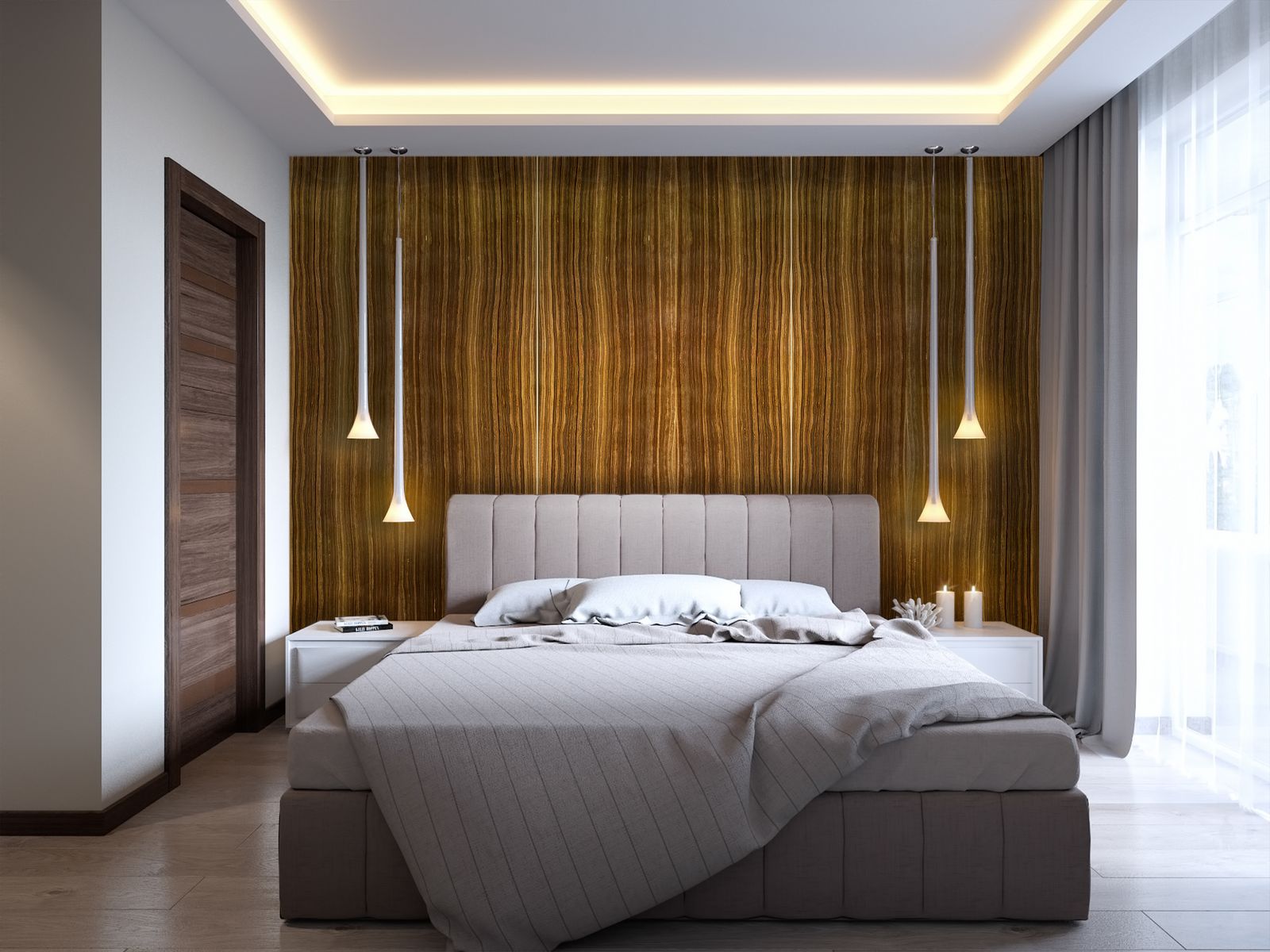
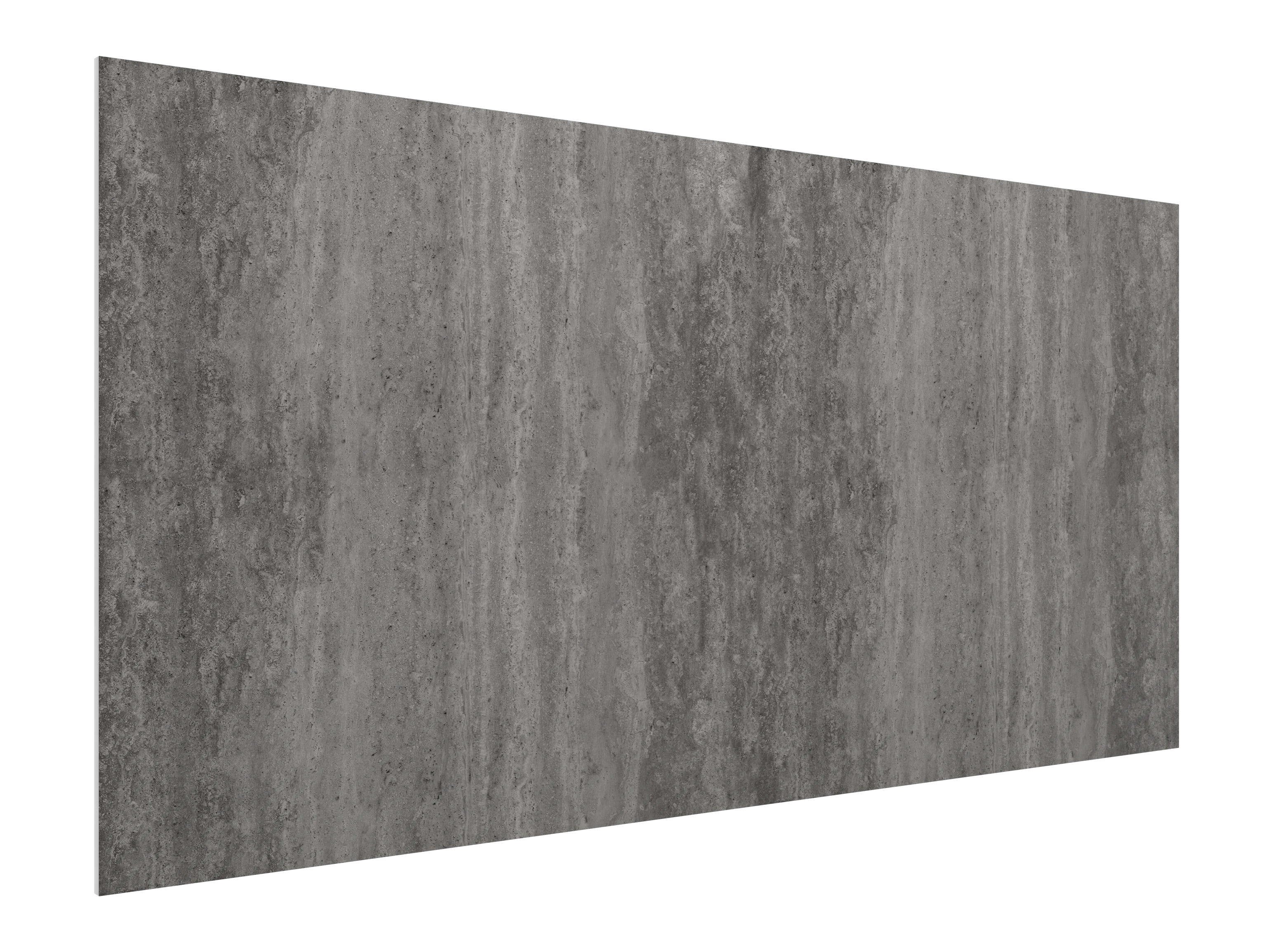
The concept is simple: a VMT panel can reproduce the appearance of marble, concrete or wood without being made from these materials. The finish provides the desired visual effect, while the panel itself remains a lightweight acoustic absorber. This allows designers to achieve the look of materials such as natural stone or wood while managing reverberation in the space.
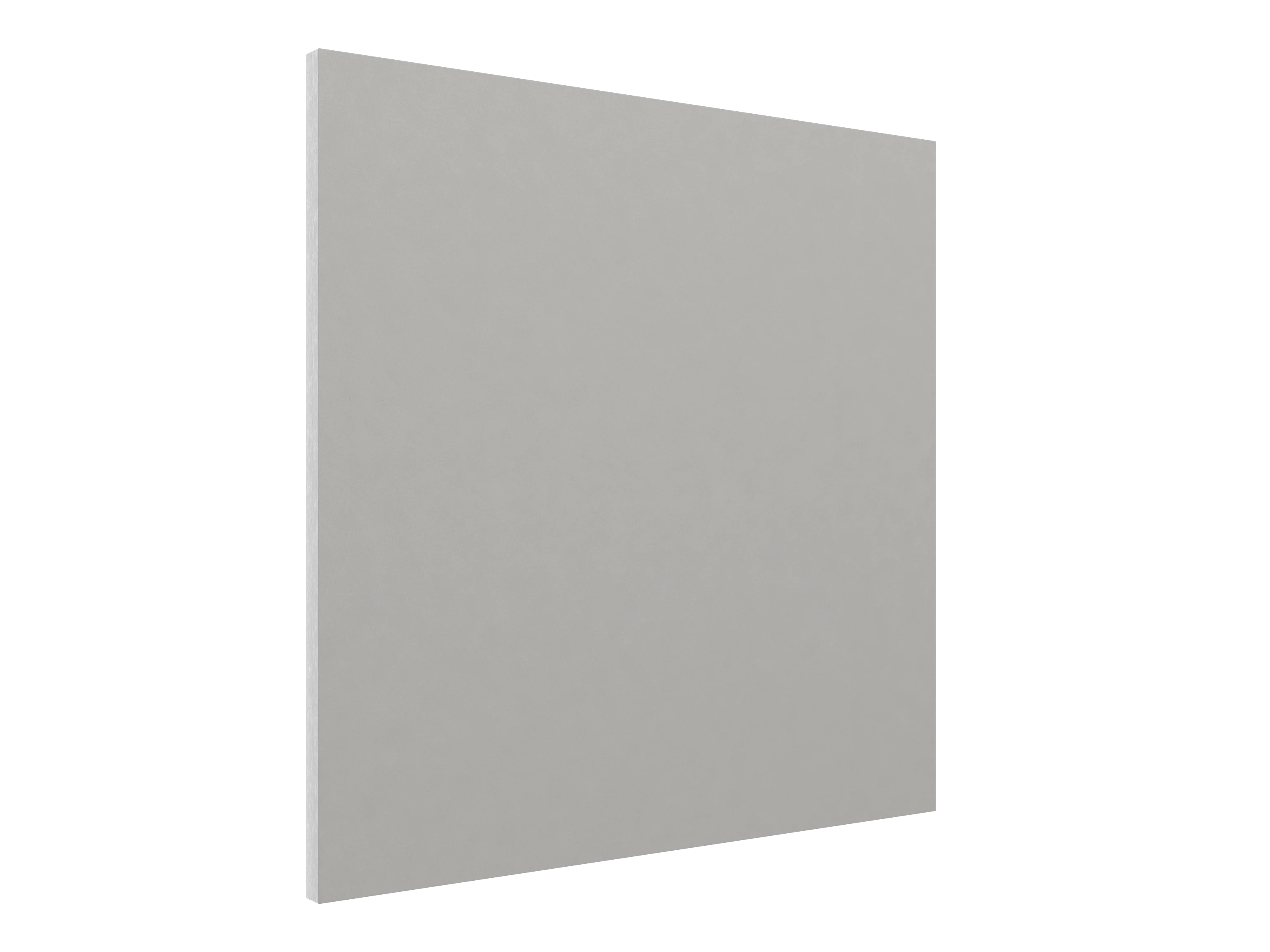
This guide focuses on Flat Panel VMT, a wall and ceiling panel available in solid colours, material-inspired patterns and custom designs, including images, logos and company signage.

What Are VMT Panels Made Of?
Flat Panel VMT is made from VicPET Wool, a non-woven textile produced primarily from recycled plastic bottles and optimised for sound absorption. The material consists of thermally bonded polyester (PET) fibres, the same type of plastic used in the recycled bottles.
Each box of eight 595 × 595 mm panels recycles 227 plastic bottles.
Flat Panel VMT is available in two thicknesses: 20 mm and 40 mm. The greater thickness improves sound absorption at lower frequencies, as shown in the following sections.
Texture: VMT Panels That Look Like Stone, Wood or Concrete
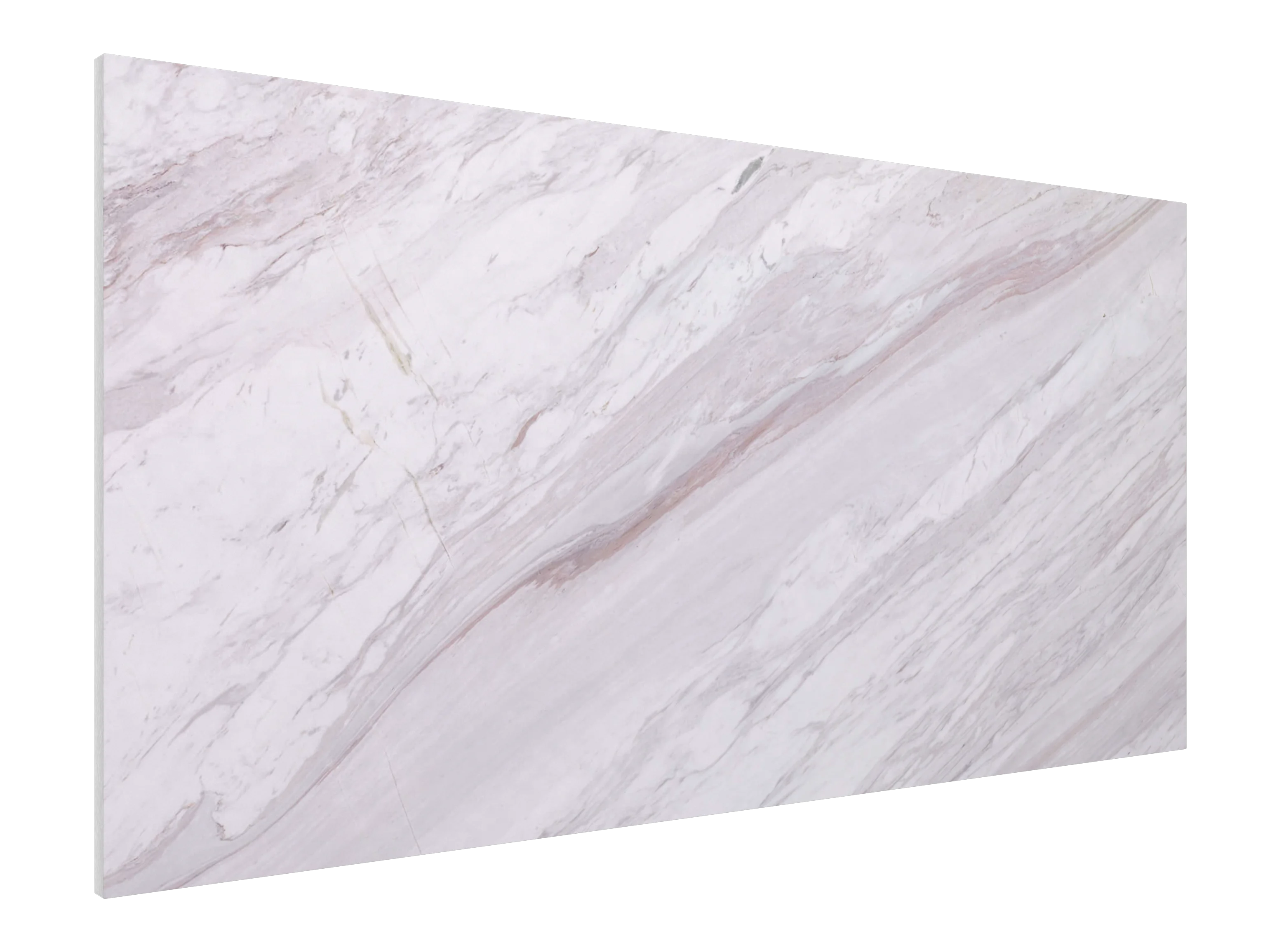
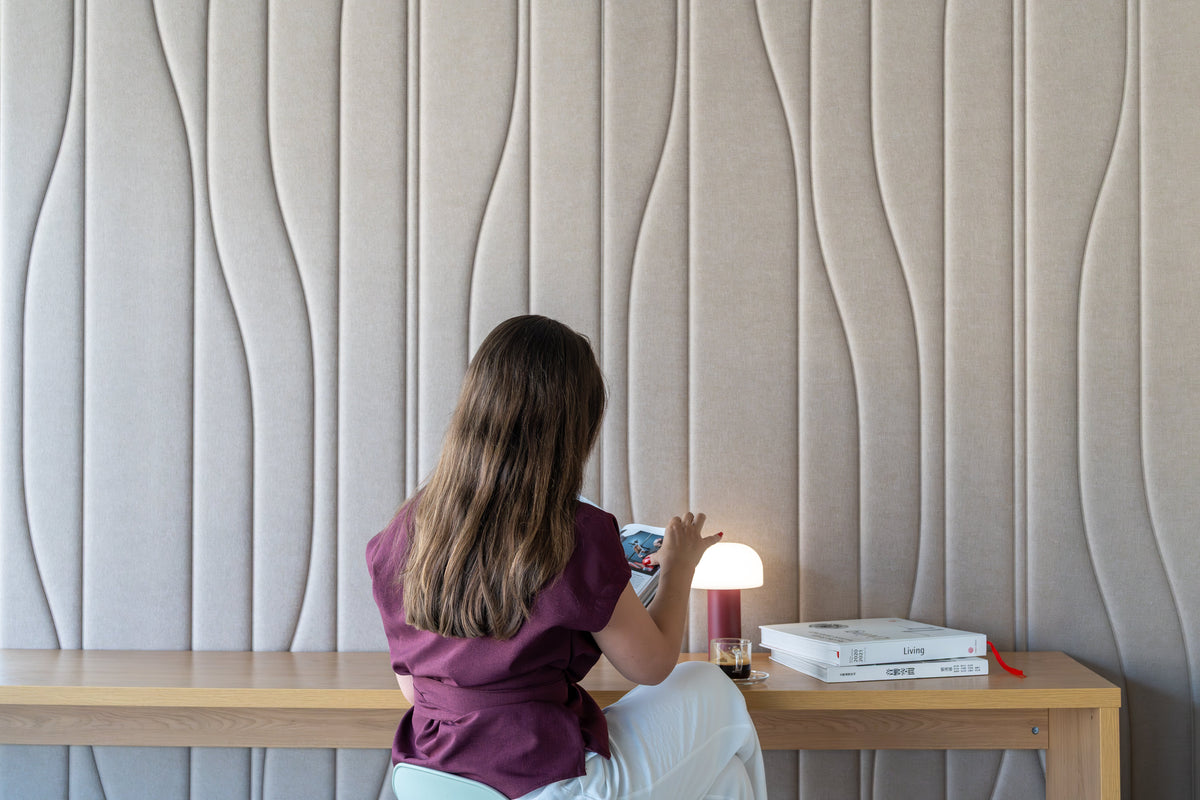
On a VMT panel, texture is visual. The grain of wood, the veins of marble or the surface of concrete are reproduced on a flat panel rather than carved into it.

Does the VMT Finish Change the Acoustics?
Custom designs are industrially bonded to the panel without losing its acoustic qualities, and the white papers list the same acoustic figures for every Flat Panel VMT finish, from plain colours to marble looks.
Colours, Patterns and Custom Designs
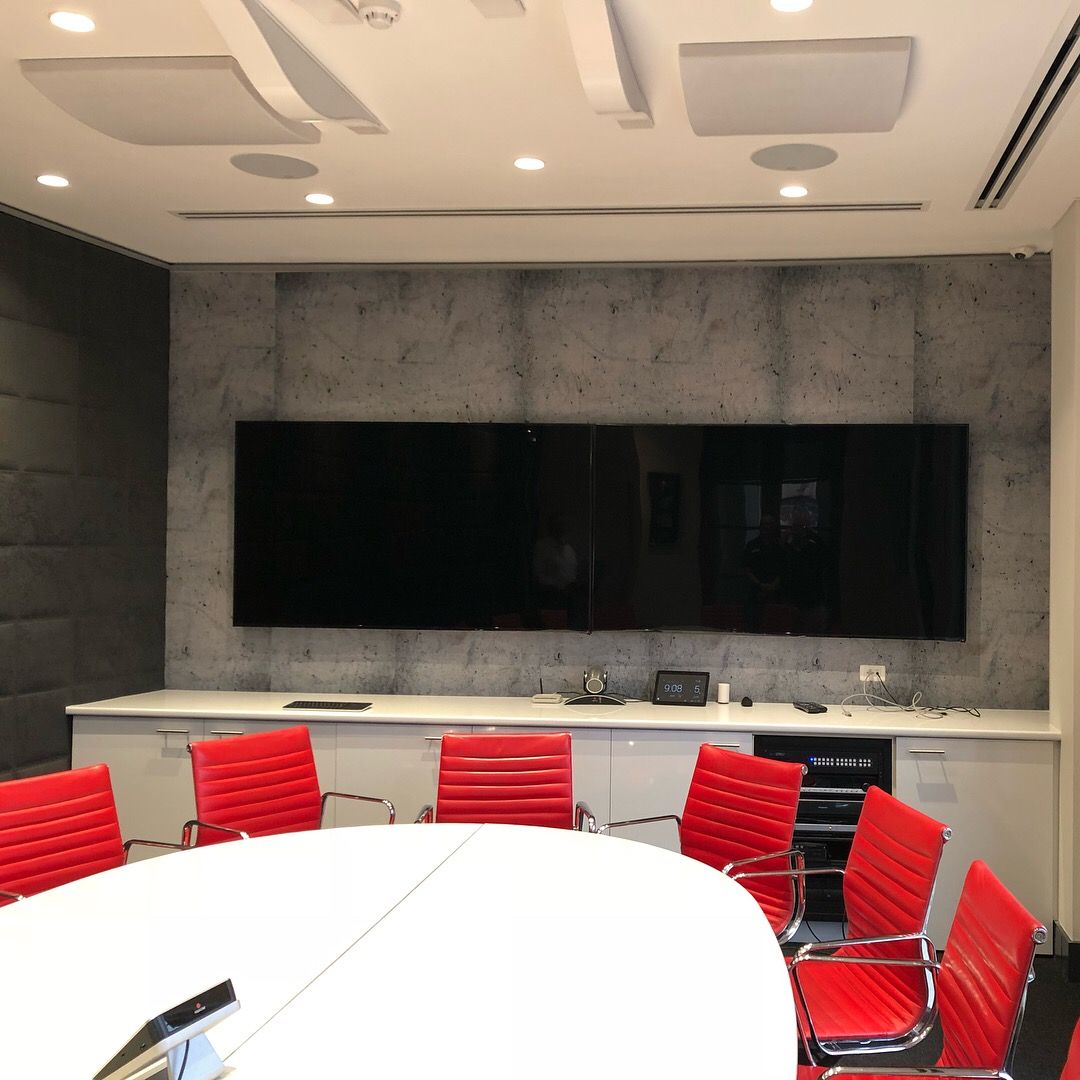
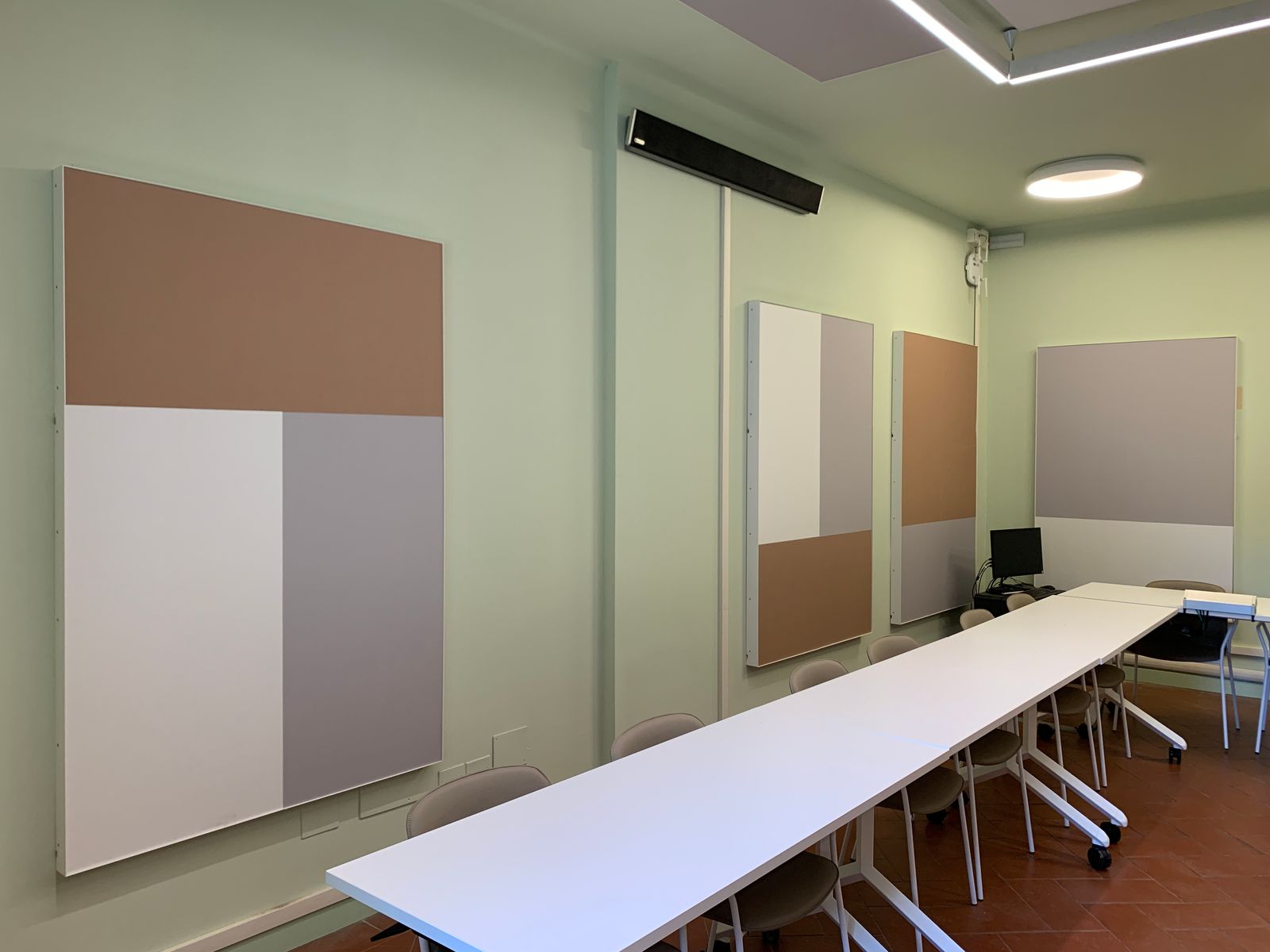
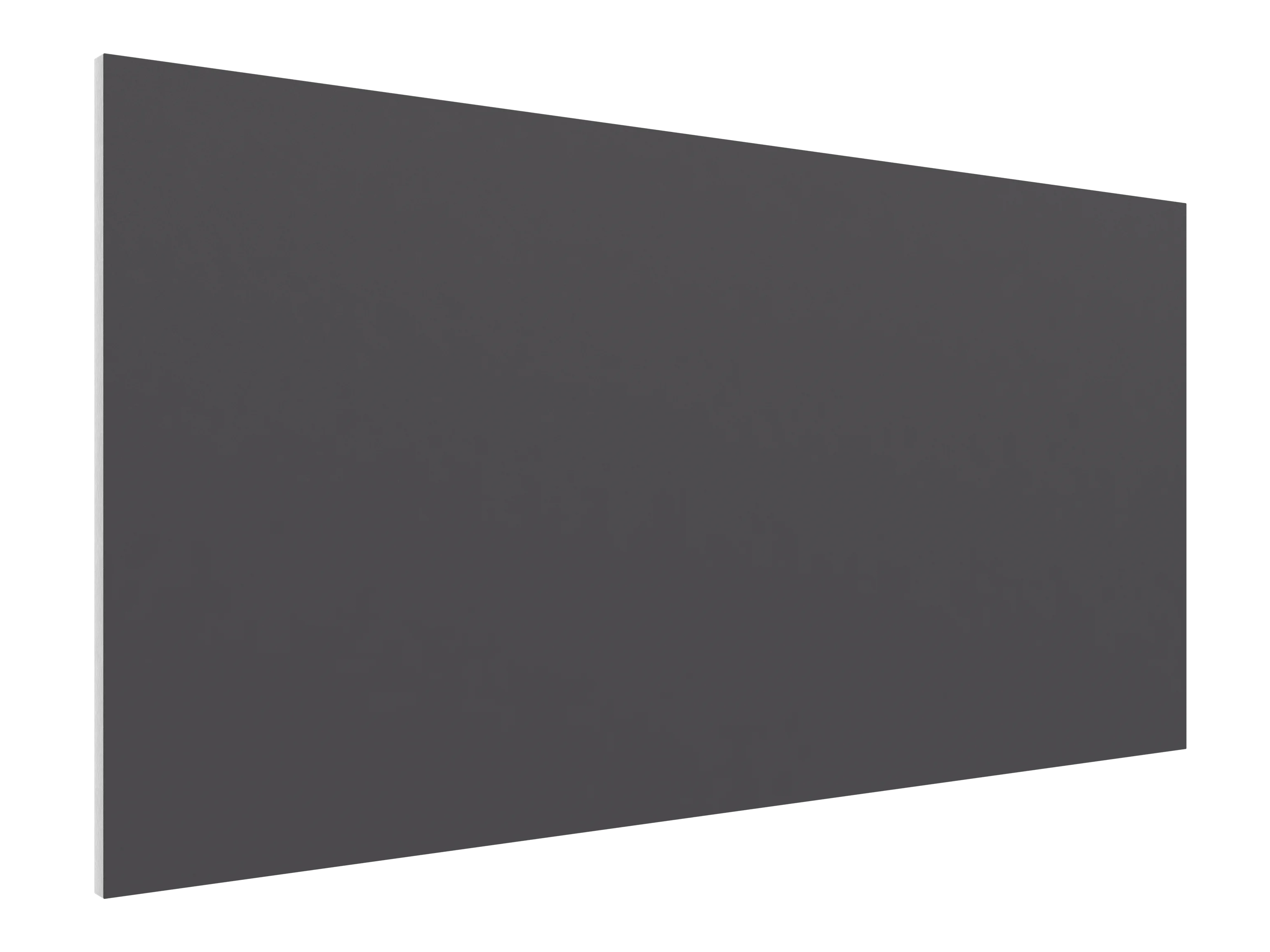
Flat Panel VMT comes in two finish families. Colors is a broad selection of solid colours, including a Chroma Key colour designed for green-screen studios. Patterns covers VMT designs, grouping into Natural Stones, Natural Woods, Concrete and Nature collections.
For something unique, VMT can also reproduce any image, logo or company signage on a custom panel; see custom design. To compare finishes in person, the Flat Panel VMT Sample Pack comes in two kits, with eight Colors or eight Patterns samples of about 132 × 102 mm.

Ideas From Public Spaces
UniVicoustic's Airports white paper suggests four ways to use this freedom of appearance:
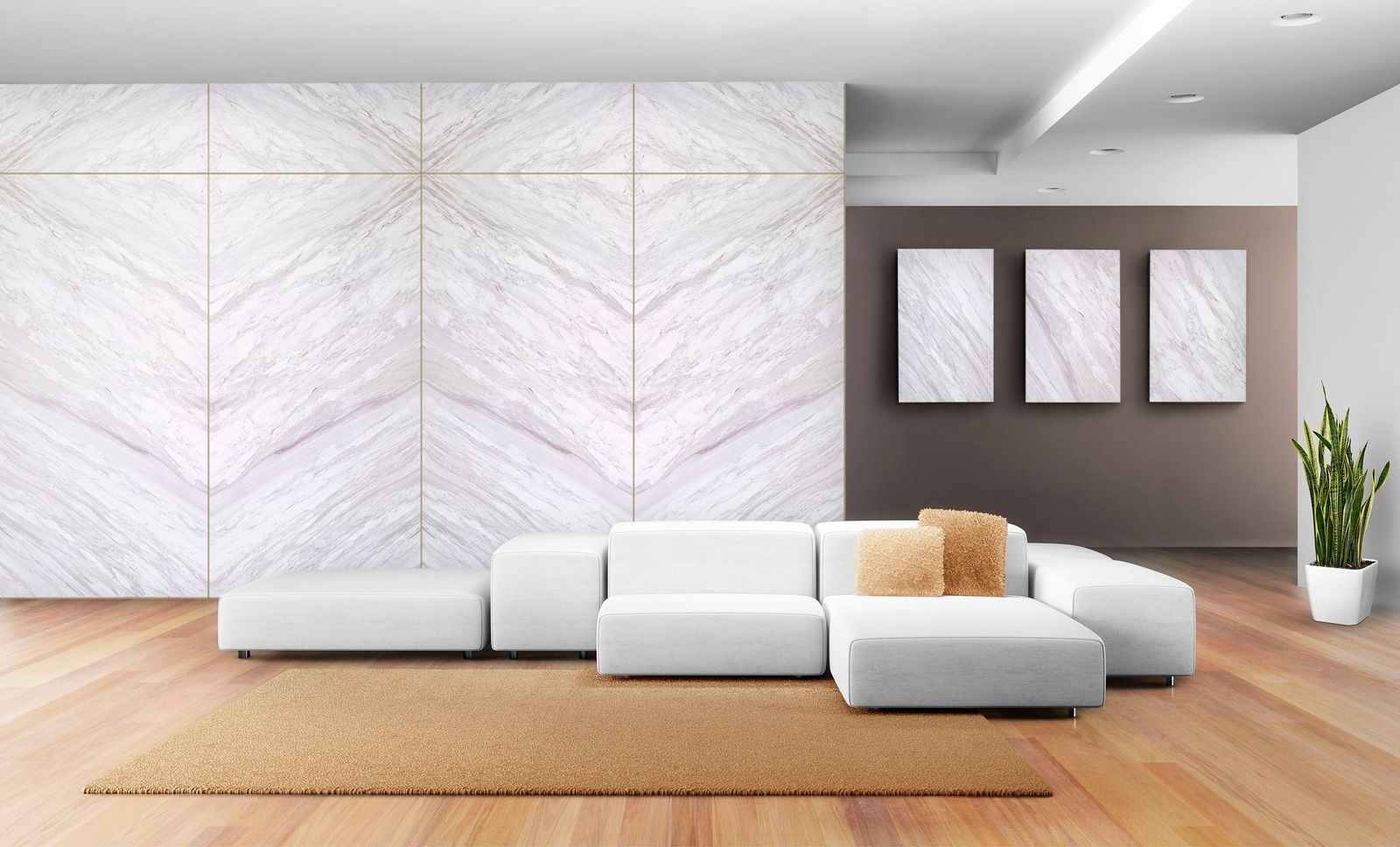
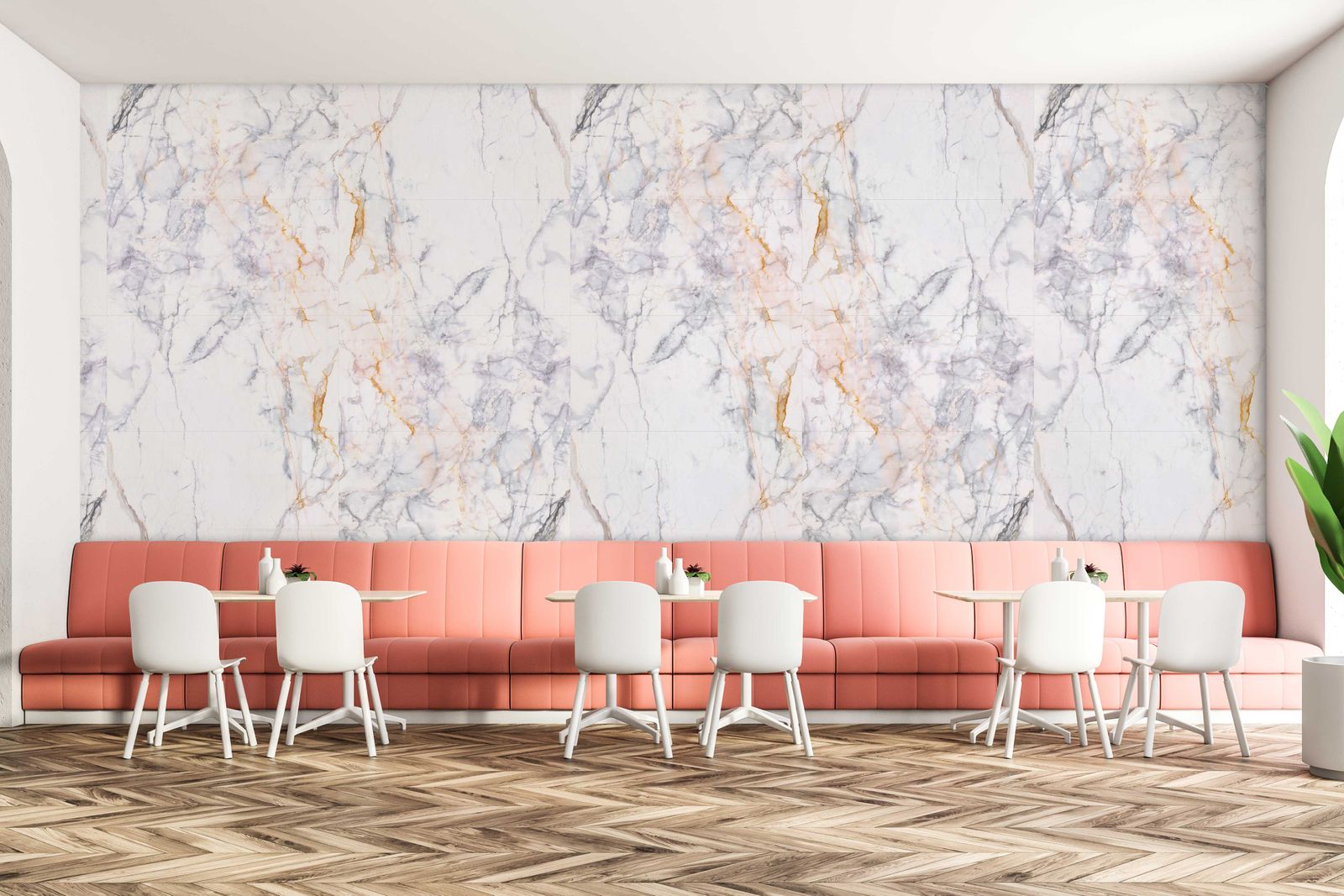
- A stone look, without the weight: Unlike real stone, the panels are lightweight, so a marble look can go on ceilings and walls while it reduces reverberation.
- Wayfinding: Color codes and signs on the panels help people find their way, and each area can have its own atmosphere.
- Advertising: Panels can carry advertising, so part of the acoustic treatment could be supported by third parties.
- Decoration close to the noise: A lounge balcony can look like marble without sounding like it, with the panels placed close to the people making the noise.
Cleaning and Colour Consistency
VMT panels can be cleaned with water: take them down and rinse them under running water, or use a wet wipe, avoiding any cleaning method above 80 °C. A slight colour variation may occur between production batches, which is worth keeping in mind when planning a large surface.
How Well Do VMT Panels Absorb Sound?
Flat Panel VMT absorbs best in the medium and high frequencies, the range where speech sits, which is why UniVicoustic's white papers use it in restaurants and airports. The 40 mm panel absorbs more than the 20 mm panel, especially lower sounds.
The Numbers in Plain Language
Four terms make acoustic data easier to understand:
- Frequency (Hz) describes how high or low a sound is perceived. Low frequencies correspond to deep sounds, such as bass, while medium and high frequencies include much of the frequency range associated with speech.
- Sound absorption coefficient (α) indicates a material’s sound absorption performance at a particular frequency. It is commonly expressed on a scale from 0 to 1, where higher values indicate greater absorption. A coefficient of 0 indicates no sound absorption, while a value of 1 represents perfect absorption under the measurement conditions.
- NRC (Noise Reduction Coefficient) is a single-number rating calculated by averaging the sound absorption coefficients at 250, 500, 1,000 and 2,000 Hz, rounded to the nearest 0.05. An NRC of 0.70 indicates an average coefficient of approximately 0.70 across these four frequencies.
- αw (weighted sound absorption coefficient) is a rating defined by the European standard EN ISO 11654. It summarises sound absorption performance using a different assessment method and can be used to assign an absorption class, from A (highest) to E.
For other terms, see the UniVicoustic glossary. Here is how the two Flat Panel VMT thicknesses rate:
|
Thickness |
NRC |
αw |
Absorption class |
|
20 mm |
0.55 |
0.45 |
D |
|
40 mm |
0.70 |
0.60 |
C |
Figures from the Flat Panel VMT product pages, based on internal measurements, external reports and/or technical assessments.

What the chart shows: Between 200 and 630 Hz, the 40 mm panel achieves substantially higher absorption coefficients than the 20 mm version. At 400 Hz, for example, the coefficients are 0.54 and 0.24, respectively, meaning the thicker panel has more than twice the absorption coefficient at this frequency.
At higher frequencies, both panels achieve higher absorption coefficients, while their performance at low frequencies is more limited. These results illustrate how panel thickness influences sound absorption across the frequency range.
How to Get More From VMT Panels: Mount Them With an Air Gap
With Flat Panel VMT, adding an air gap behind the panel improves sound absorption at medium and lower frequencies.
The VicSpacer MKII holds a 20 mm panel 40 mm away from the wall or ceiling, increasing its NRC from 0.55 to 0.85.
The VicSpacer Plus MKII incorporates an additional layer of VicPET Wool, further increasing absorption and raising the NRC of the same panel to 0.95. This combination provides effective sound absorption across a broad range of frequencies. Both frames feature wood and lacquered steel and conceal the white sides of the panel. They are available in White Matte, Black Matte and Grey Matte.
Both versions are designed for 20 mm panels and can be installed on walls, ceilings or in corners, where they can contribute to low-frequency absorption. For the larger 2380 × 1190 mm panels, the VicSpacer XXL provides the corresponding mounting solution..
Which Flat Panel VMT Configuration Should You Choose?
- 20 mm Flat Panel VMT, fixed directly to the surface: A slim solution where installation depth is limited (NRC 0.55).
- 40 mm Flat Panel VMT, fixed directly to the surface: Greater sound absorption without additional mounting hardware (NRC 0.70).
- 20 mm Flat Panel VMT with VicSpacer MKII: The wooden frame and lacquered steel components hold the panel 40 mm away from the wall or ceiling, creating an air cavity that improves sound absorption and increases the NRC to 0.85.
The right configuration depends on the available installation depth and the desired level of sound absorption.
Not sure which suits your room? UniVicoustic's project team can recommend a layout: request an acoustic project.
Where Are VMT Panels Used?
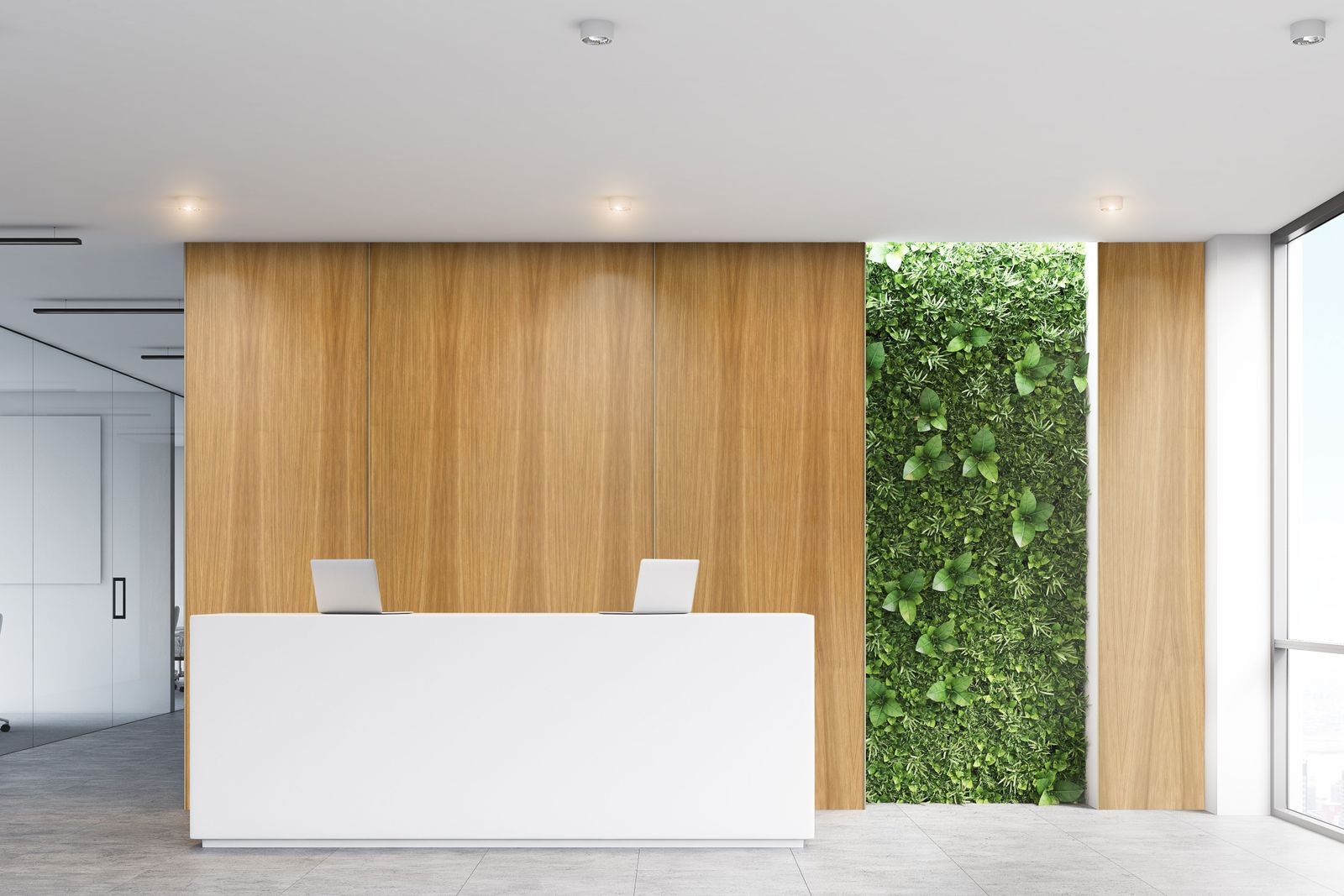
Flat Panel VMT can be used in a wide range of environments, combining sound absorption with finishes that complement the interior design.

- Restaurants: Ceiling panels provide a large area for sound absorption, helping control reverberation and reduce the build-up of noise as conversations become louder. Wall panels can provide additional absorption where needed.
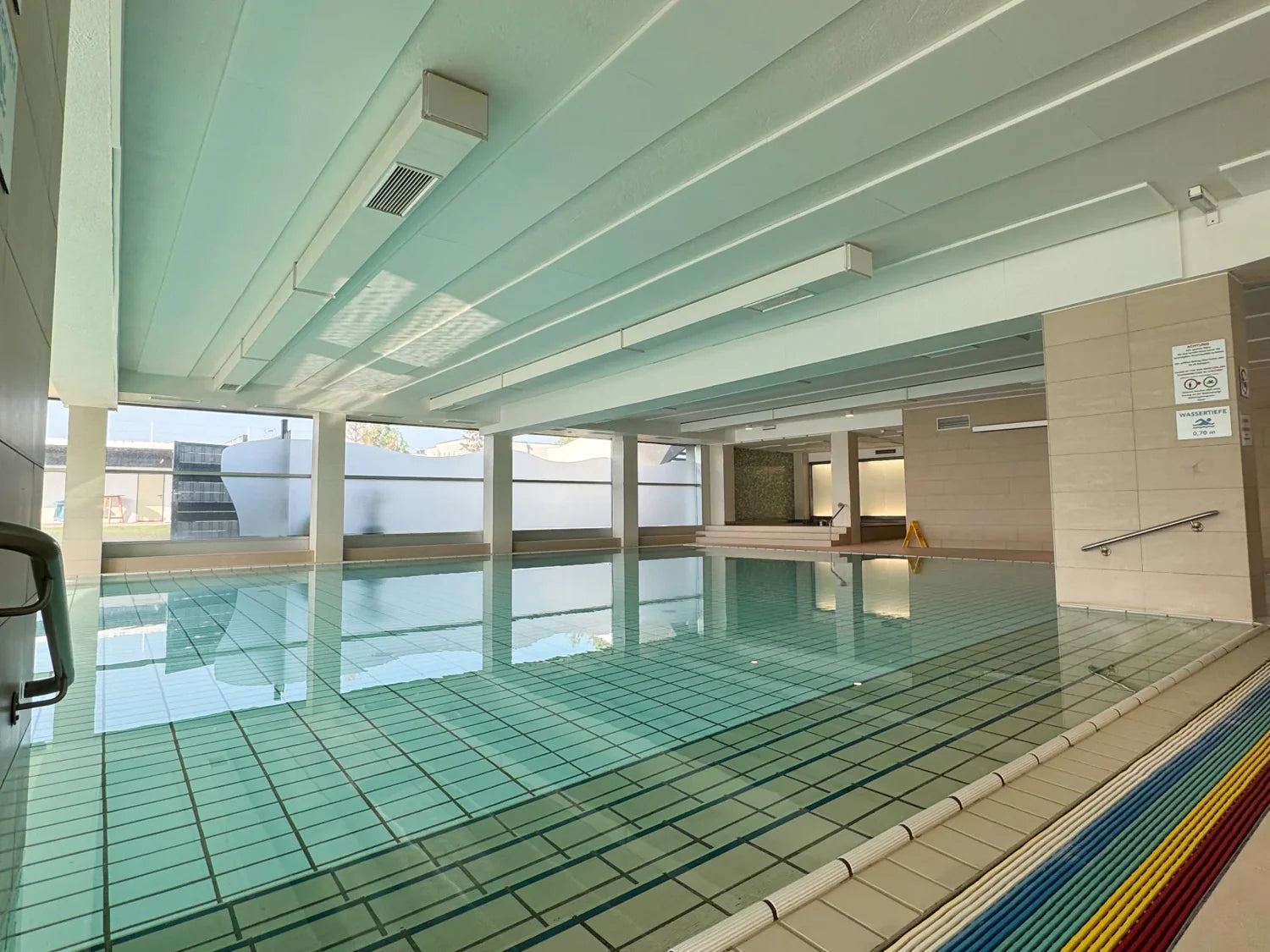
- Airports: Panels installed on walls and suspended T-bar ceilings help reduce reverberation in gate areas and concourses, improving speech intelligibility and the clarity of public announcements.
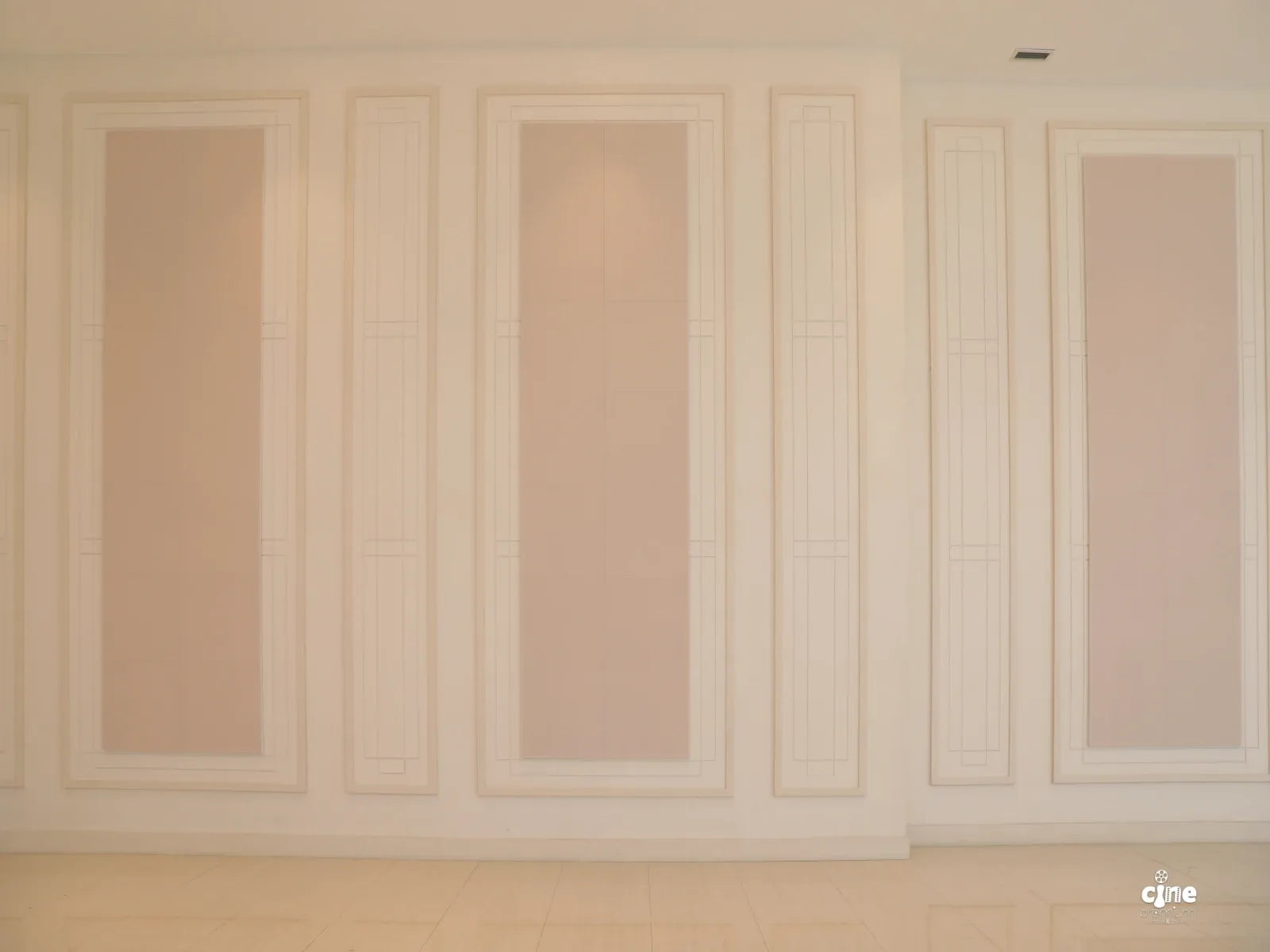
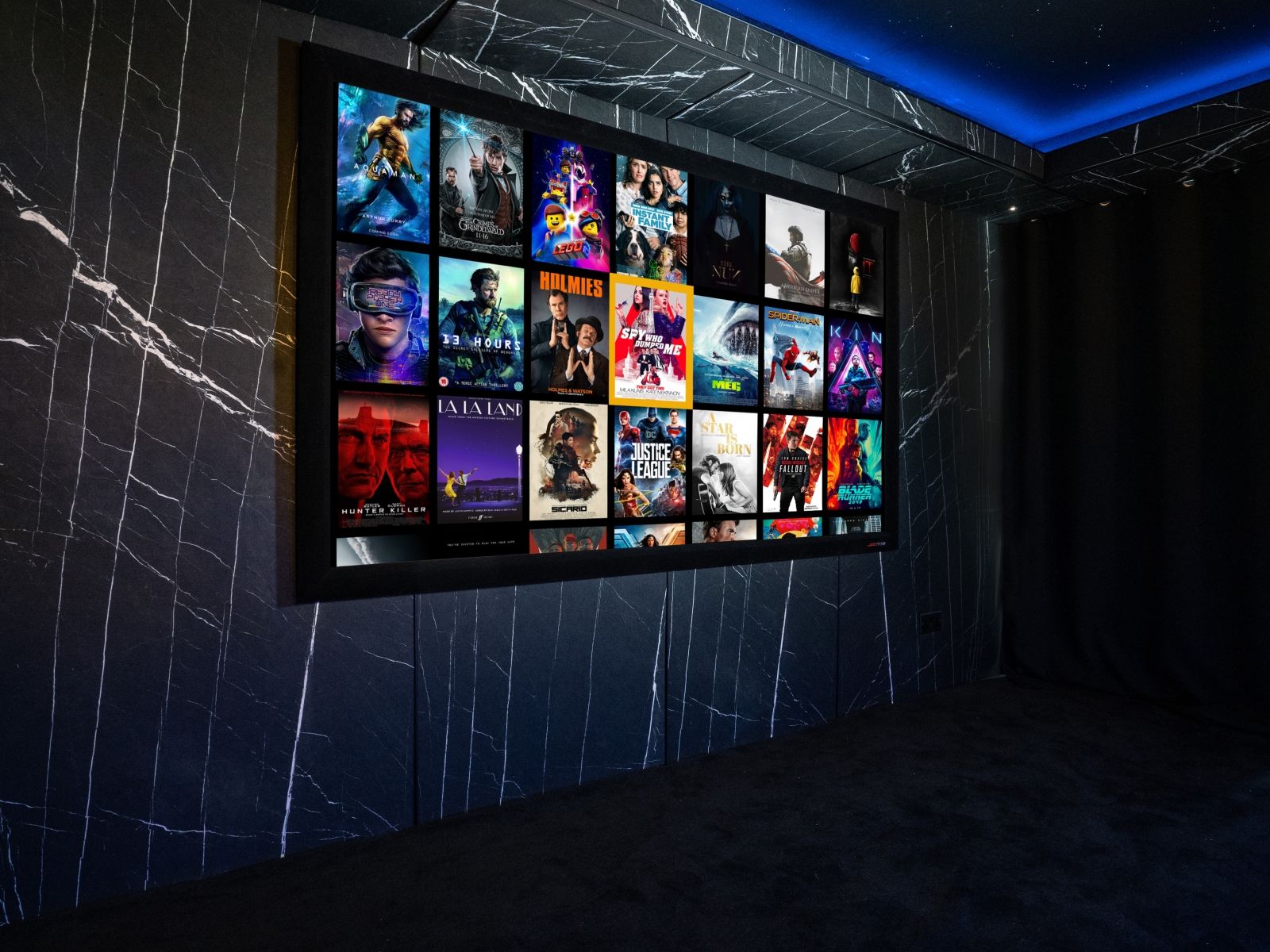
- Home cinemas: Large Flat Panel VMT XXL panels cover extensive wall areas with fewer panels, creating a continuous visual finish inspired by natural stone, wood or Art Deco. They can also be combined with additional absorbing materials or suitable mounting systems to enhance acoustic performance.
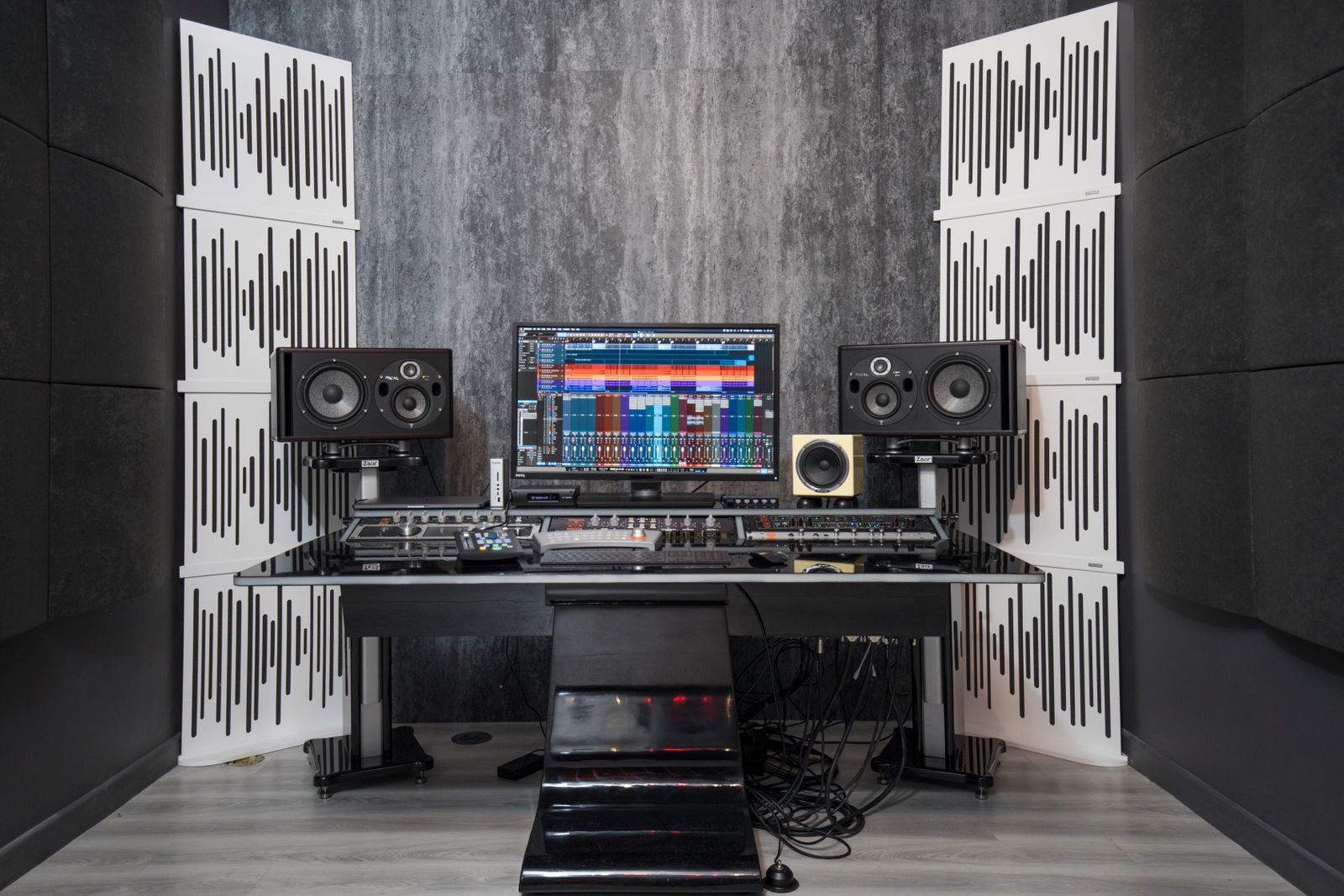
- Listening rooms and control rooms: These environments require careful control of reflections and reverberation across a broad frequency range, including lower frequencies. Flat Panel VMT can be used on walls and ceilings as part of the acoustic treatment. Where greater sound absorption is required, particularly at low and mid frequencies, we recommend combining the panels with the VicSpacer Plus MKII mounting system, which incorporates a 40 mm layer of VicPET Wool behind the panel to enhance its absorption performance.
VMT in Professional Audio Products
VMT is not only for public spaces. UniVicoustic also uses it on professional audio products for recording, mixing, mastering and broadcast rooms, where VMT finishes cover high-performance absorbers and bass traps.
- Cinema Piano VMT, Cinema Forte VMT and Cinema Fortissimo VMT. Broadband absorbers that control first reflections and balance reverberation time in control rooms and listening rooms, with NRC 0.95 for Piano and Forte and 1.00 for Fortissimo. Their VMT finishes include material looks such as Calacatta Cremo, Grey Stone and Concrete 1, and the Control Rooms white paper also shows a customised Cinema Piano VMT.
- Mega Bass Trap VMT and Mega Bass Trap VMT XXL. Broadband bass traps for room corners, meaning they absorb bass as well as mid and high frequencies.
- Super Bass Extreme Ultra VMT. membrane-based corner bass trap designed to control low-frequency resonances, with effective absorption across the 75–125 Hz range and peak performance around 100 Hz.
Flat Panel VMT Specifications
Flat Panel VMT comes in three sizes and two thicknesses, and carries Euroclass B-s2, d0 and ASTM E84 Class A fire ratings.
|
Specification |
Flat Panel VMT |
|
Raw Material |
VicPET Wool |
|
Sizes |
595 × 595 mm and 1190 × 595 mm in 20 or 40 mm; 2380 × 1190 mm in 20 mm |
|
Weight per panel |
0.55 kg (595 × 595 mm); 1.10 kg (1190 × 595 mm); 4.40kg / 9.70lb (2380 x 1190) |
|
Fire rating |
Europe: Euroclass B-s2, d0. USA: Class A (ASTM E84). Canada (20 mm): CAN/ULC S102, flame spread rating 5, smoke developed classification 115 |
|
Thermal resistance (R-10) |
0.6197 m²K/W (20 mm); 1.1449 m²K/W (40 mm) |
|
Placement |
Walls and ceilings (2380 × 1190 mm: walls) |
|
Fixings (sold separately) |
Flexi Glue Ultra, AluFrame VMT T, VicSpacer MKII, VicSpacer Plus MKII, VicSpacer XXL |
|
Packaging |
8 units/box (all sizes); 4 units/box (20 mm panels only); 2 units/box (2380 mm panels only); Peso do 2380mm: 4.40kg / 9.70lb; |
Frequently Asked Questions
What Does VMT Stand For?
VMT stands for Virtual Material Technology. VMT panels are developed exclusively by Vicoustic using a dyeing technology that puts colours, patterns or images onto sound-absorbing panels made from VicPET Wool.
Does a Custom VMT Design Reduce Sound Absorption?
Custom designs are industrially bonded to the panel without losing its acoustic qualities, and the same acoustic figures apply to every Flat Panel VMT finish.
What Does an NRC of 0.70 Mean?
The Noise Reduction Coefficient (NRC) is a single-number rating that summarises a panel’s sound absorption performance across four frequencies: 250, 500, 1,000 and 2,000 Hz. An NRC of 0.70 indicates an average sound absorption coefficient of approximately 0.70 across these frequencies.
The 40 mm Flat Panel VMT has an NRC of 0.70, compared with 0.55 for the 20 mm version, indicating higher overall sound absorption performance across the frequencies considered.
Can Flat Panel VMT Absorb Bass?
Not on its own, as it is designed for medium and high frequencies. Mounting it on VicSpacer improves the lower frequencies, and for deep bass UniVicoustic offers bass traps with VMT finishes, such as Mega Bass Trap VMT or Mega Bass Trap VMT XXL.
Can I Put My Own Logo or Image on a VMT Panel?
Yes. VMT allows custom designs, including images, logos and company signage; see custom design for details.
How Do You Clean VMT Panels?
With water. Take the panels down and rinse them under running water, or use a wet wipe, and avoid any cleaning method above 80 °C.
Are VMT Panels Made From Recycled Materials?
Yes. Flat Panel VMT is made from VicPET Wool, produced primarily from recycled plastic bottles, and each box of eight 595 × 595 mm panels recycles 227 bottles.
Next Steps
To see the finishes in person, order a Flat Panel VMT Sample Pack. For a logo or image, start with custom design, and for help with quantities and layout, request an acoustic project.





Share:
UniVicoustic at ARCHITECT@WORK Lisbon 2026