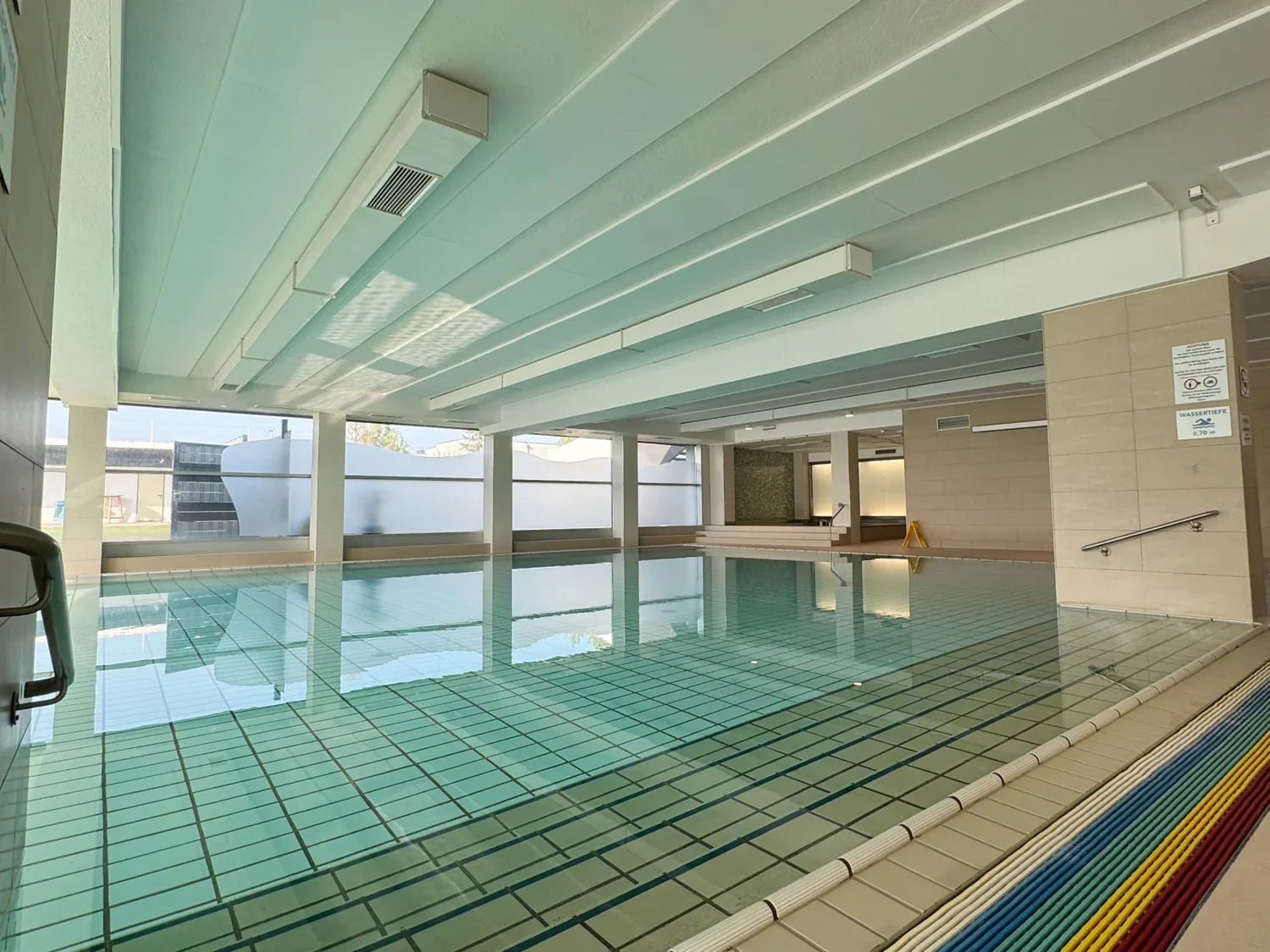
Clap your hands once in an empty room and listen carefully to what happens next. If the sound dies away smoothly, the room is acoustically balanced. If instead you hear a rapid, ringing sequence of repeated echoes, a fast metallic repetition rather than a single clean decay - you are hearing flutter echo, one of the most common and most fixable acoustic problems in any room.
Flutter echo shows up in home studios, listening rooms, conference rooms, and even hallways. It is a specific, identifiable phenomenon with a specific cause, which means it has a specific fix. This article goes deep on exactly what flutter echo is, why it happens, how to test for it, and which acoustic treatment actually solves it.

For a broader view of how flutter echo fits into the full treatment strategy for a listening room, see our article on The 3-Step Acoustic Treatment for High-End Listening Rooms, where it's covered as one of three sound field anomalies within the complete methodology.
What is Flutter Echo?
Flutter echo is a rapid, repetitive echo caused by sound reflecting back and forth between two parallel, reflective surfaces. Each time the sound wave bounces off one surface, it travels to the opposite surface, bounces back, and repeats, losing very little energy with each reflection. The result is a fast sequence of closely spaced echoes that the ear perceives as a metallic buzz rather than a single clean decay.
This is one of the sound field anomalies addressed in the final step of acoustic treatment methodology for listening rooms (discover The 3-Step Acoustic Treatment for High-End Listening Rooms), alongside room modes (bass buildup) and comb-filter effects (phase cancellation from early reflections). Flutter echo is treated separately from these because, unlike a generalised excess of reverberation, it is caused by a very specific geometric condition: two surfaces facing each other with nothing in between to break up the reflection path. Avoiding large, flat, untreated parallel surfaces in a room's design is the single most effective way to prevent it from developing in the first place.
What Causes Flutter Echo?
Three conditions need to be present at the same time for flutter echo to occur:
Parallel surfaces
Two flat surfaces facing each other directly - opposite walls, or floor and ceiling - give sound a clean, repeatable path to bounce back and forth indefinitely. This isn't limited to walls: the same effect happens vertically, between a hard floor and a flat, untreated ceiling. Non-parallel or angled surfaces scatter the reflection in a different direction each time, which breaks the pattern.
Hard, reflective material
Painted drywall, glass, concrete, tile, and bare wood all reflect sound efficiently, losing very little energy per bounce. The harder and smoother the surface, the more pronounced the flutter.
Insufficient distance or absorption
In small rooms, the time between each bounce is short enough that the ear hears the echoes as a continuous, rapid pulse rather than as distinct separate echoes. The shorter the gap between the two parallel surfaces, the higher the frequency at which the flutter becomes most audible - which is why it is overwhelmingly a mid-to-high-frequency problem. At low frequencies, room dimensions instead produce a related but distinct phenomenon: room modes, or standing waves.
This is why flutter echo is especially common in home studios, bedrooms converted into listening rooms, and box-shaped rooms with bare walls: the dimensions and materials line up perfectly to create the problem.

How to Identify Flutter Echo in Your Room
The clap test is the simplest diagnostic. Stand in the middle of the room, clap once sharply, and listen to the decay. A smooth fade indicates a well-balanced room. A fast, metallic repetition that stands out clearly from the rest of the decay is flutter echo.
To find exactly where it is happening, walk slowly between two opposite walls while clapping, or speak in a flat monotone while moving around the room. Flutter echo is usually most audible at specific positions - often the midpoint between the two parallel surfaces causing it - and tends to be strongest along walls with no furniture, shelving, or soft material to interrupt the reflection path.
It is also common to notice flutter echo more in vocal recordings or voiceover takes than in casual listening, because a microphone close to a hard-surfaced, lightly furnished room picks up the rapid reflections far more clearly than the human ear does in normal conversation
Why Flutter Echo Matters
Flutter echo is not just an annoying sound, it actively degrades the things a treated room is supposed to deliver:
Speech intelligibility
The rapid echo tail blurs consonants and word endings, adding a harsh, congested colouration to spoken word recordings and voiceovers.
Recording quality
Any microphone placed in a room with flutter echo will capture it, embedding the artifact permanently into vocal takes, podcast recordings, and instrument recordings.
Critical listening accuracy
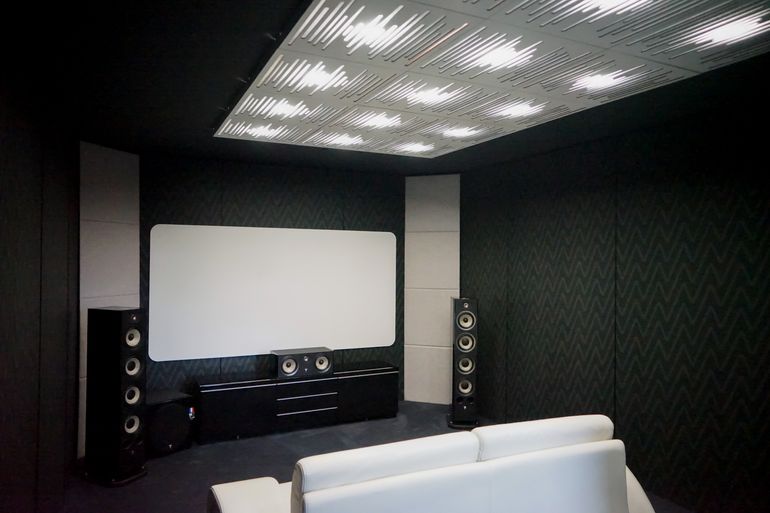
In a listening room or control room, flutter echo adds a metallic colouration to the high frequencies, making it harder to judge a mix or assess loudspeaker performance accurately. This is precisely the frequency range where the ear is most sensitive to voice and music content, which is why control rooms in particular need to keep it under tight control.
Perceived room quality
Even untrained listeners notice flutter echo, even if they cannot name it - it registers simply as a room that does not sound right.
How to Fix Flutter Echo

The treatment for flutter echo follows the principle behind the cause: break the parallel reflection path. There are two effective approaches, and the right one depends on whether the room also needs general reverberation control. Absorption reduces the strength of the reflection outright. Diffusion doesn't remove the energy but scatters it across multiple directions, breaking the repeating bounce while preserving the room's liveliness.
Option 1: Absorption on One Surface
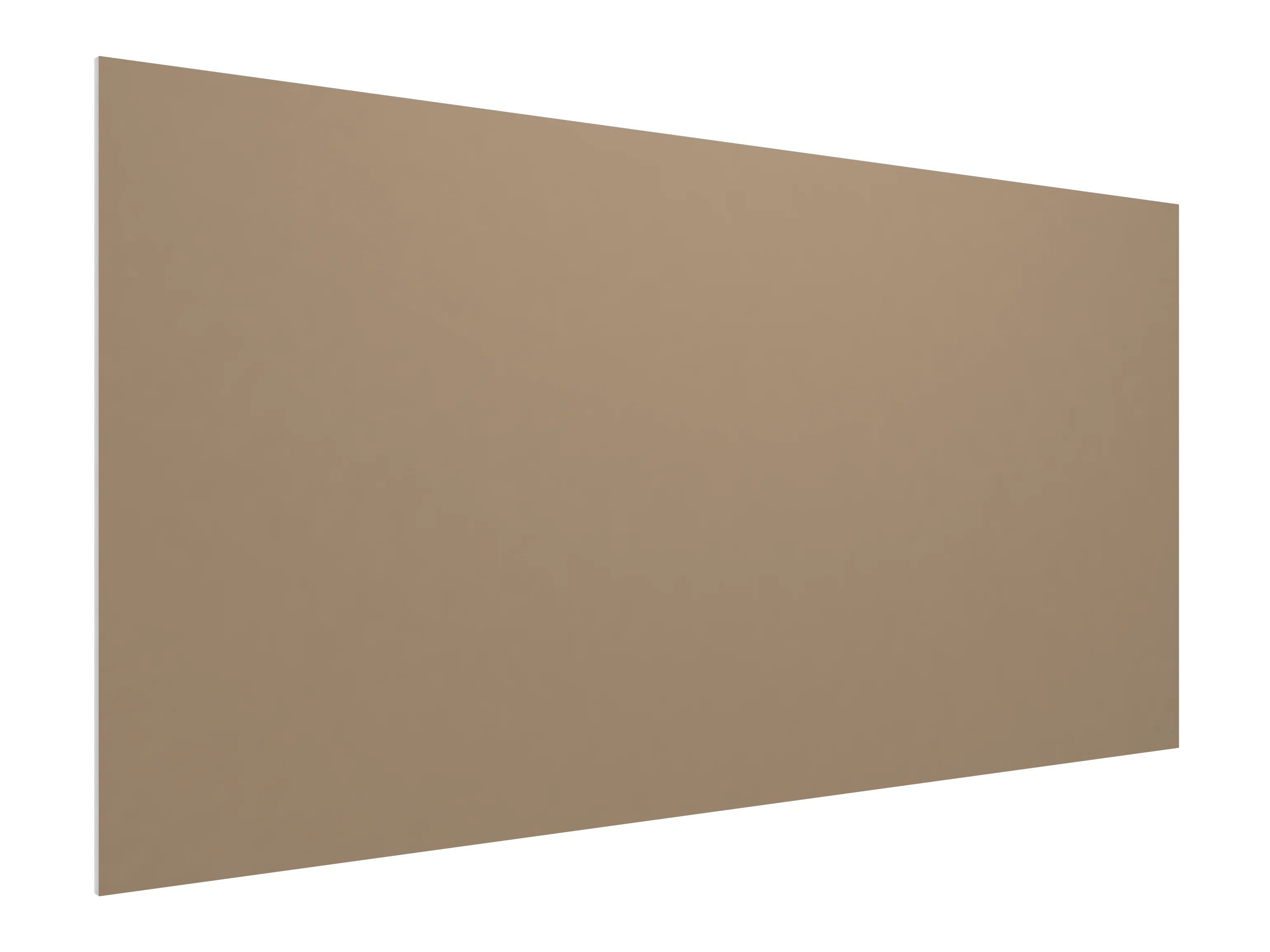
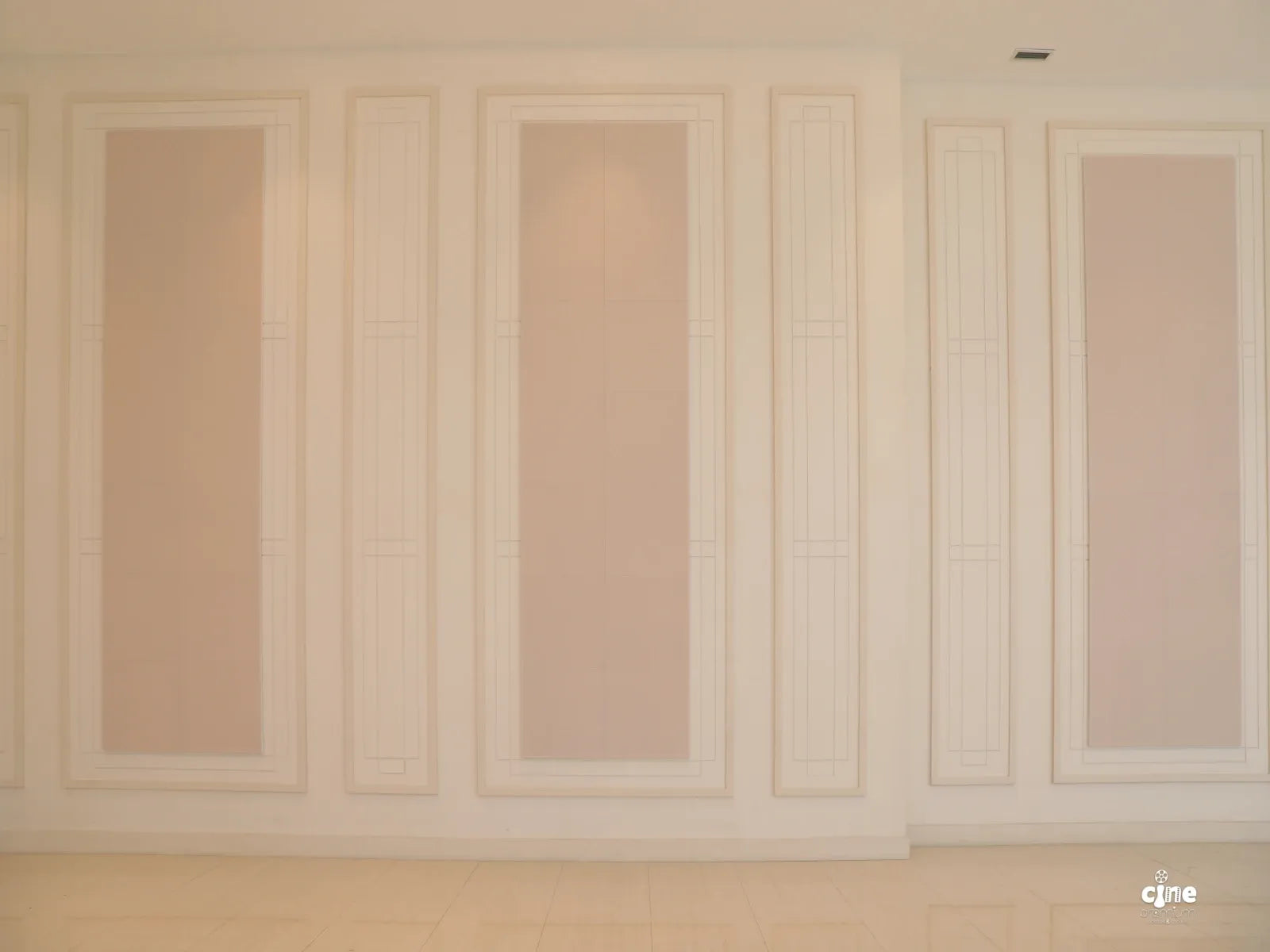
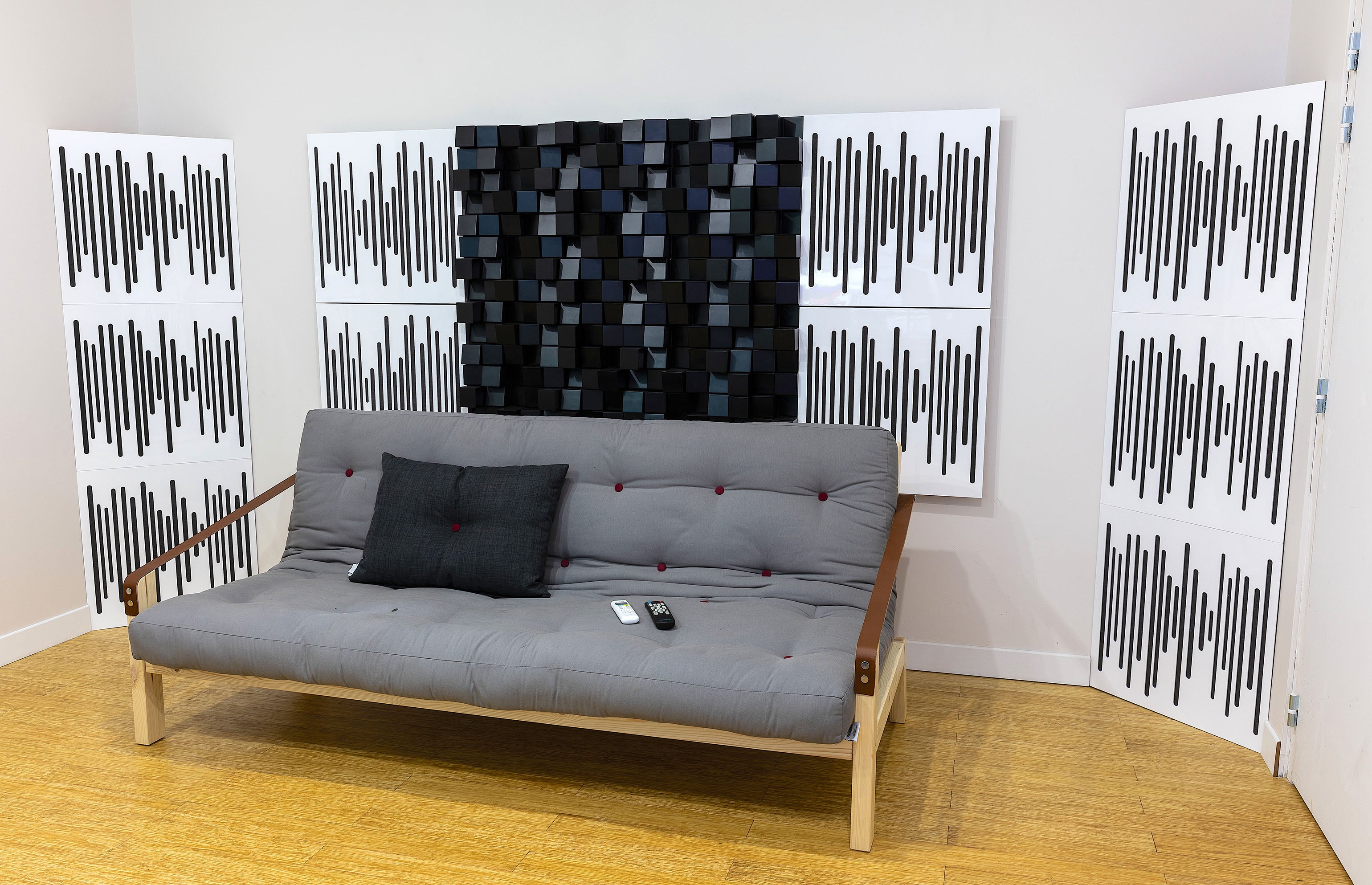
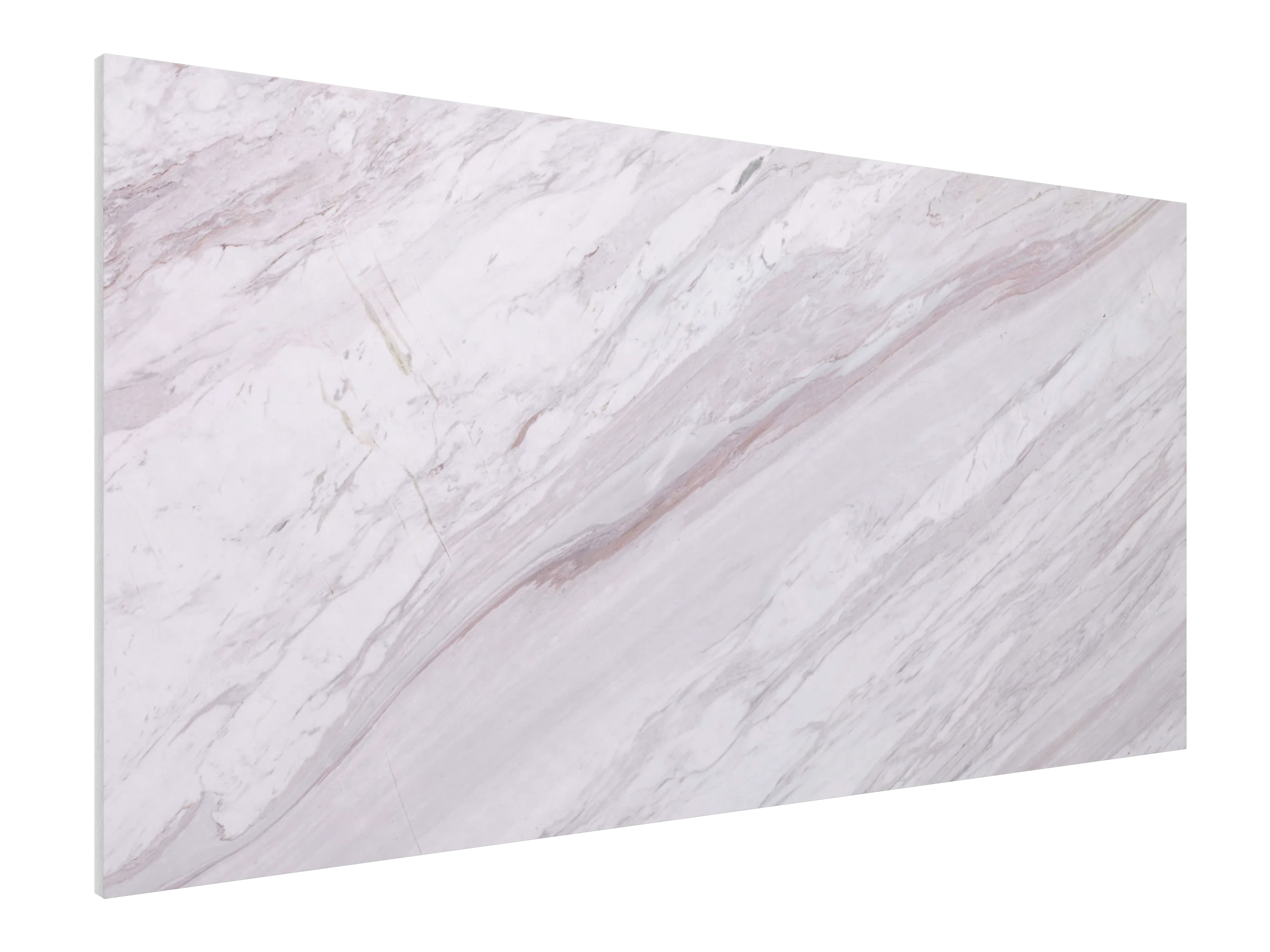
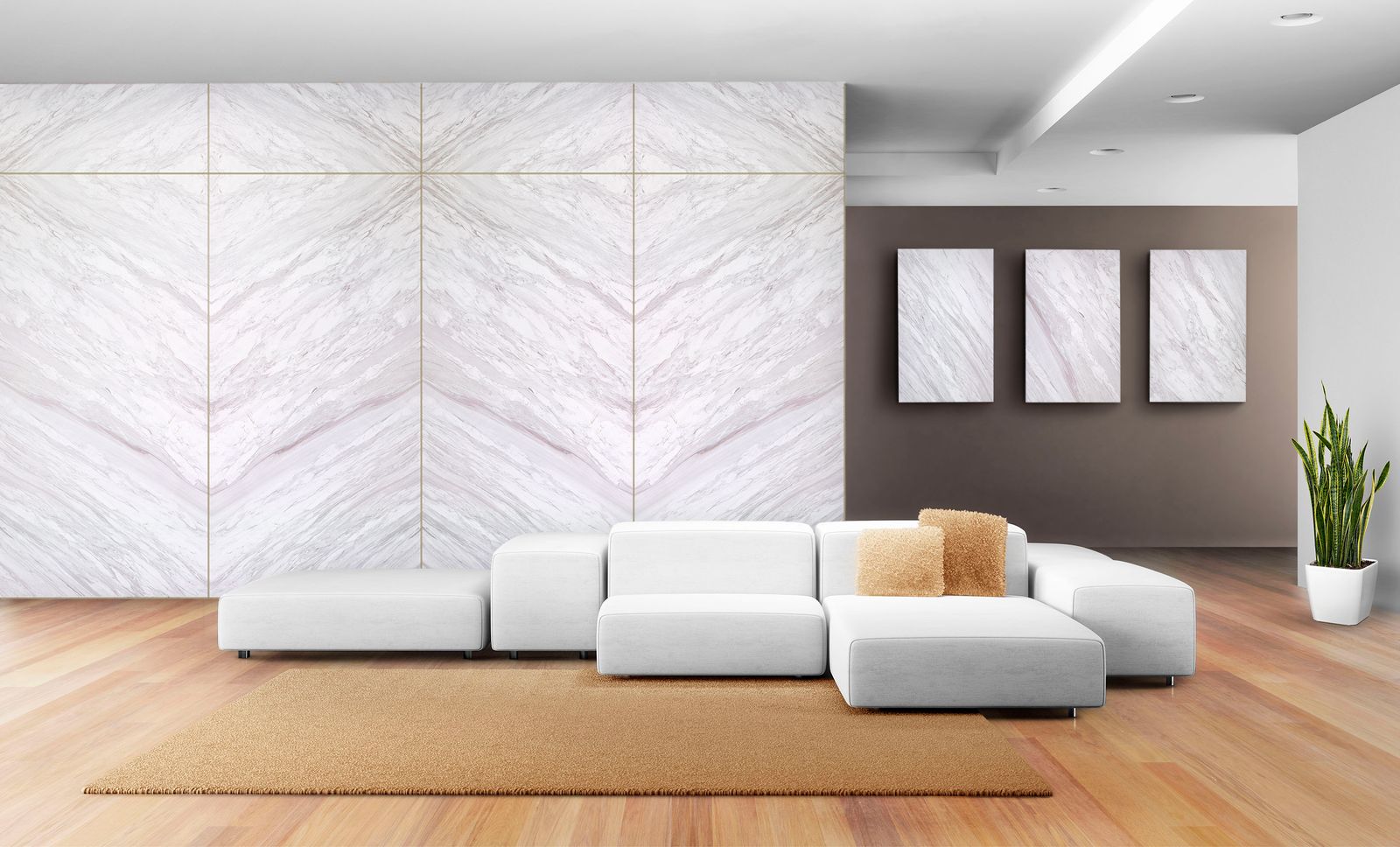
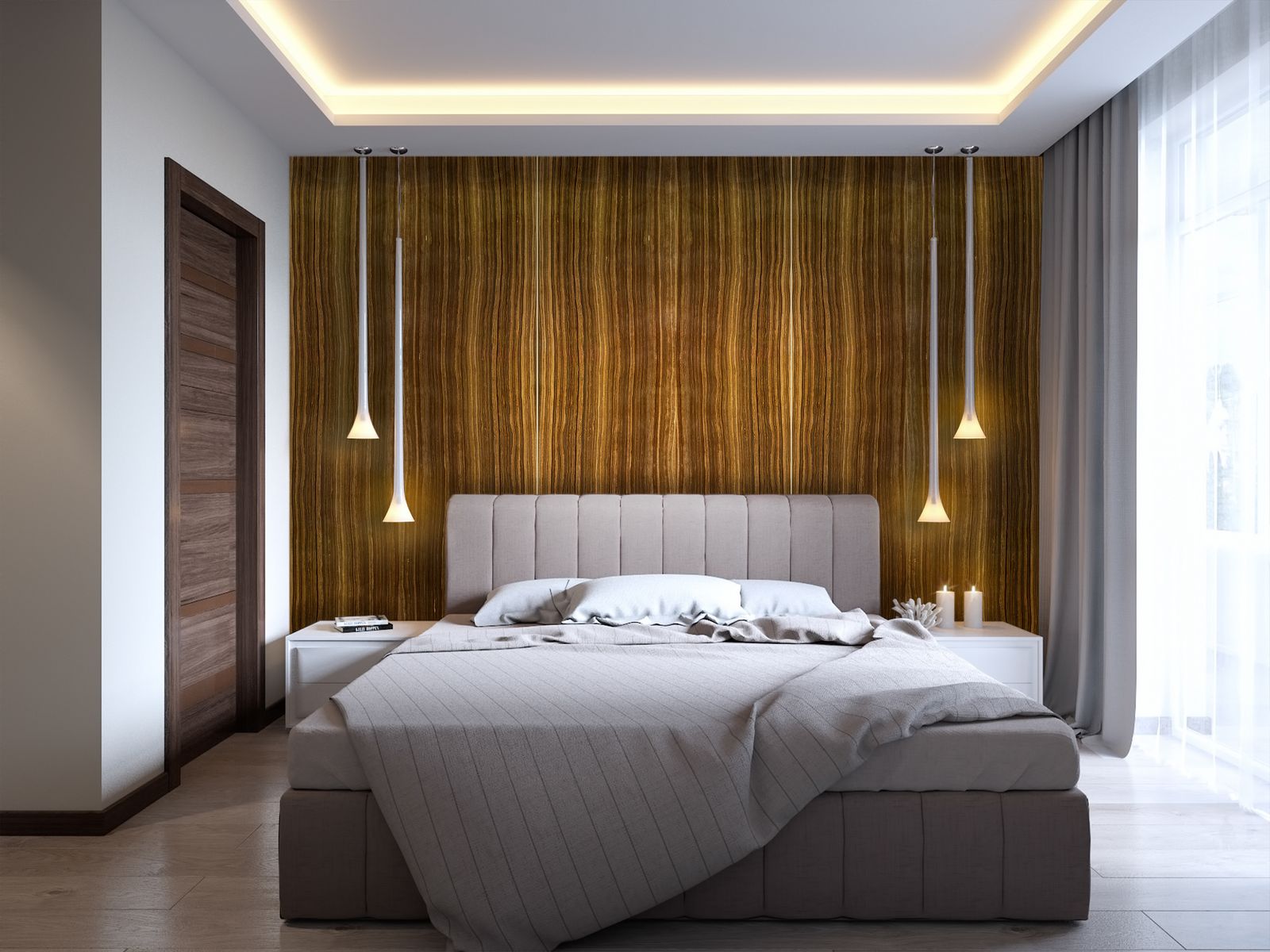
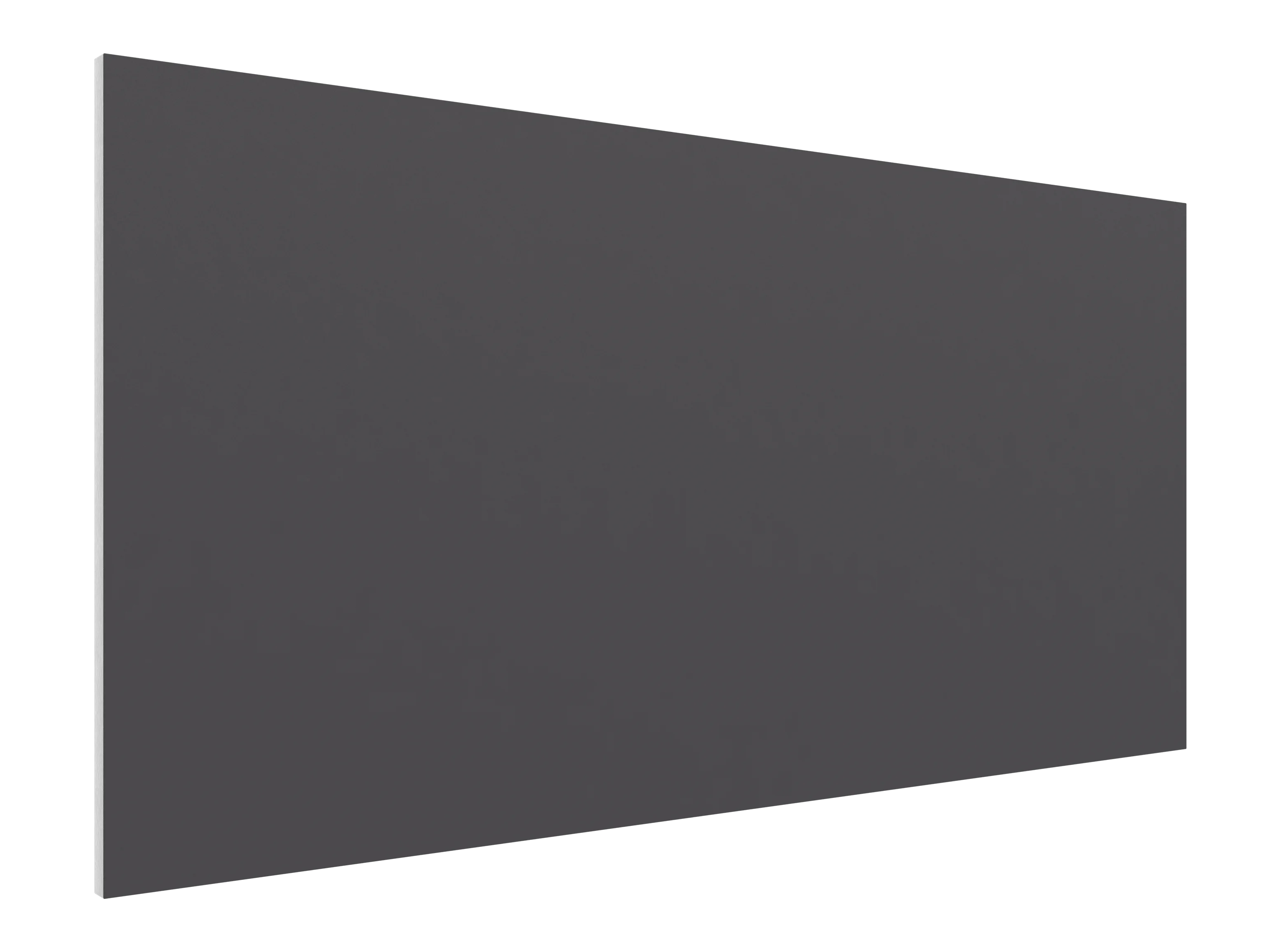
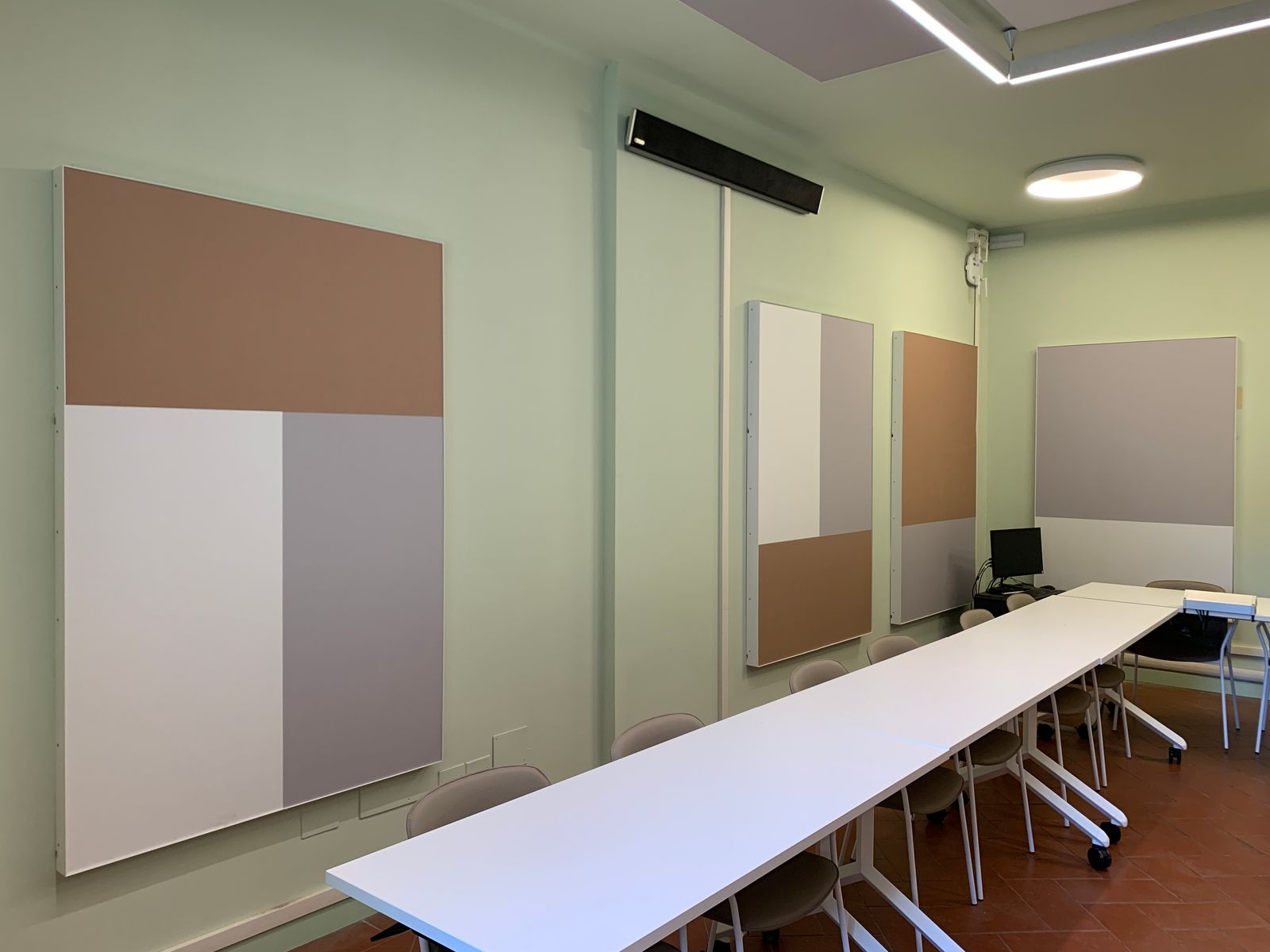
The most direct fix is to place absorptive acoustic panels on one of the two parallel surfaces causing the flutter - it is not necessary to treat both walls, only one, since the goal is to stop the reflection from bouncing back cleanly. Flat Panel VMT is the standard solution for this: a broadband absorber that removes enough reflected energy from one surface to break the repeating bounce, while also contributing to the room's overall reverberation time target.
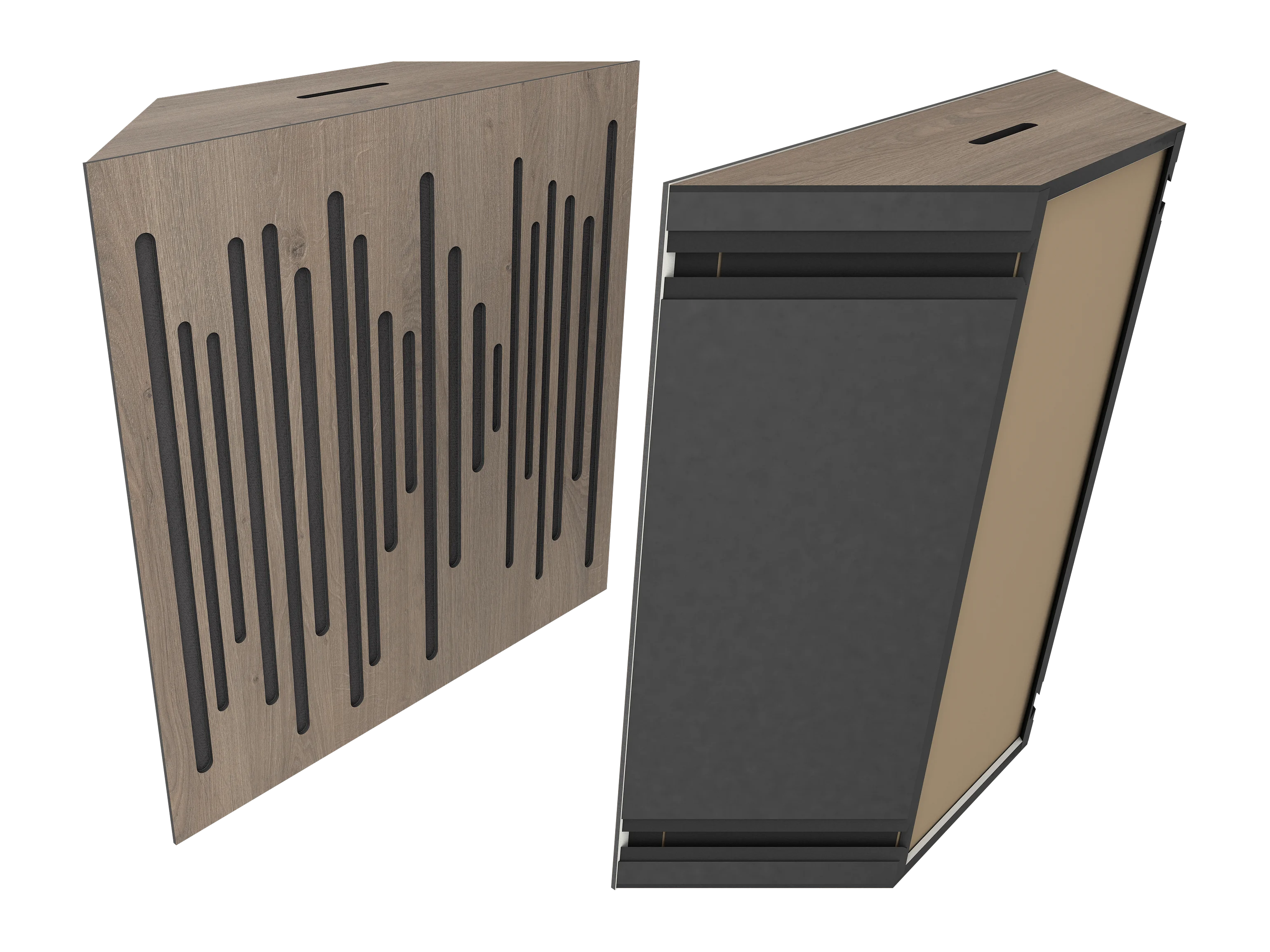
For rooms where bass build-up from room modes is present at the same time as flutter echo - a common combination in small, box-shaped rooms - pairing wall absorption with a corner bass trap such as the Super Bass Extreme Ultra addresses both problems together.
Option 2: Diffusion on One Surface
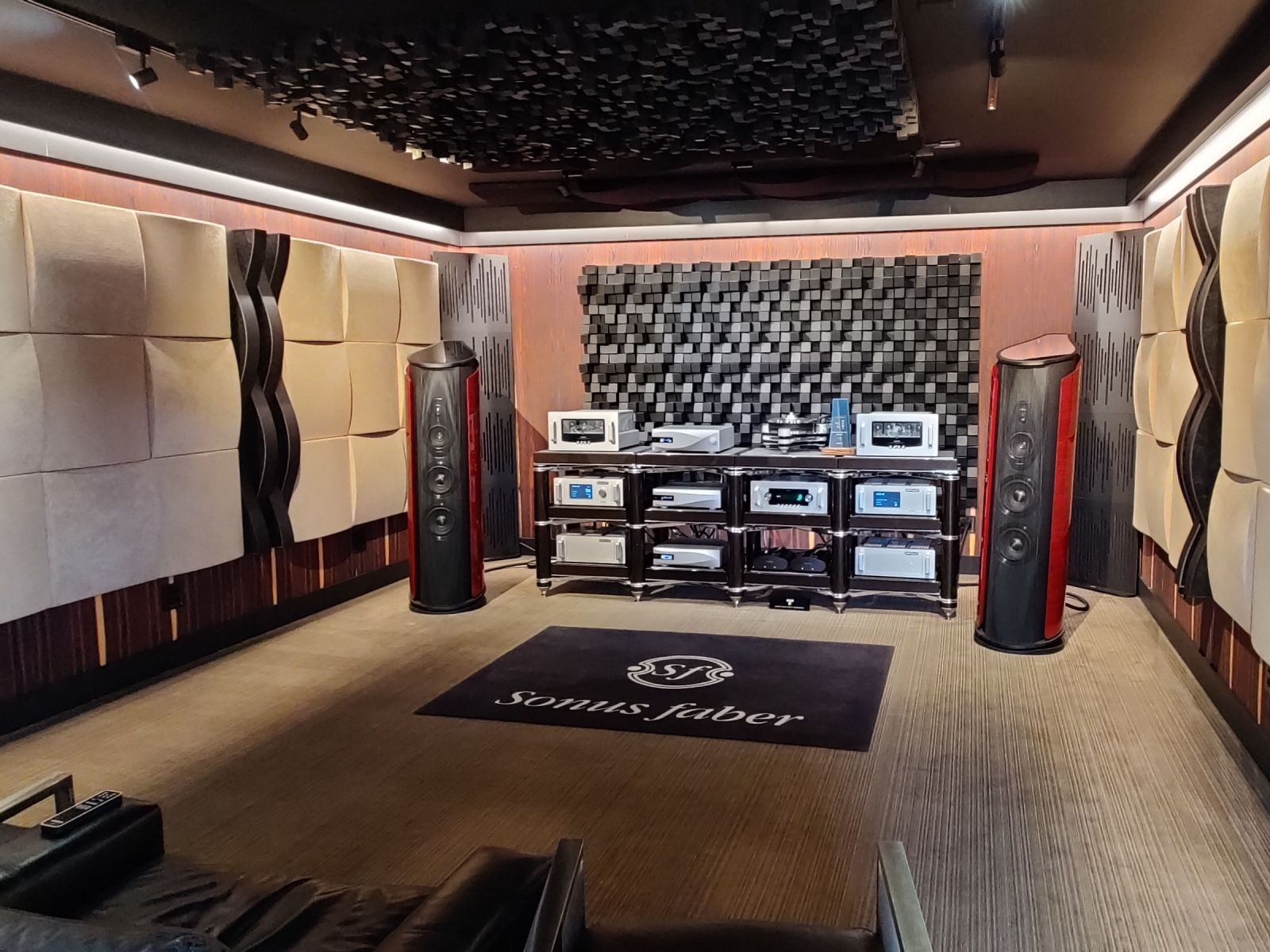
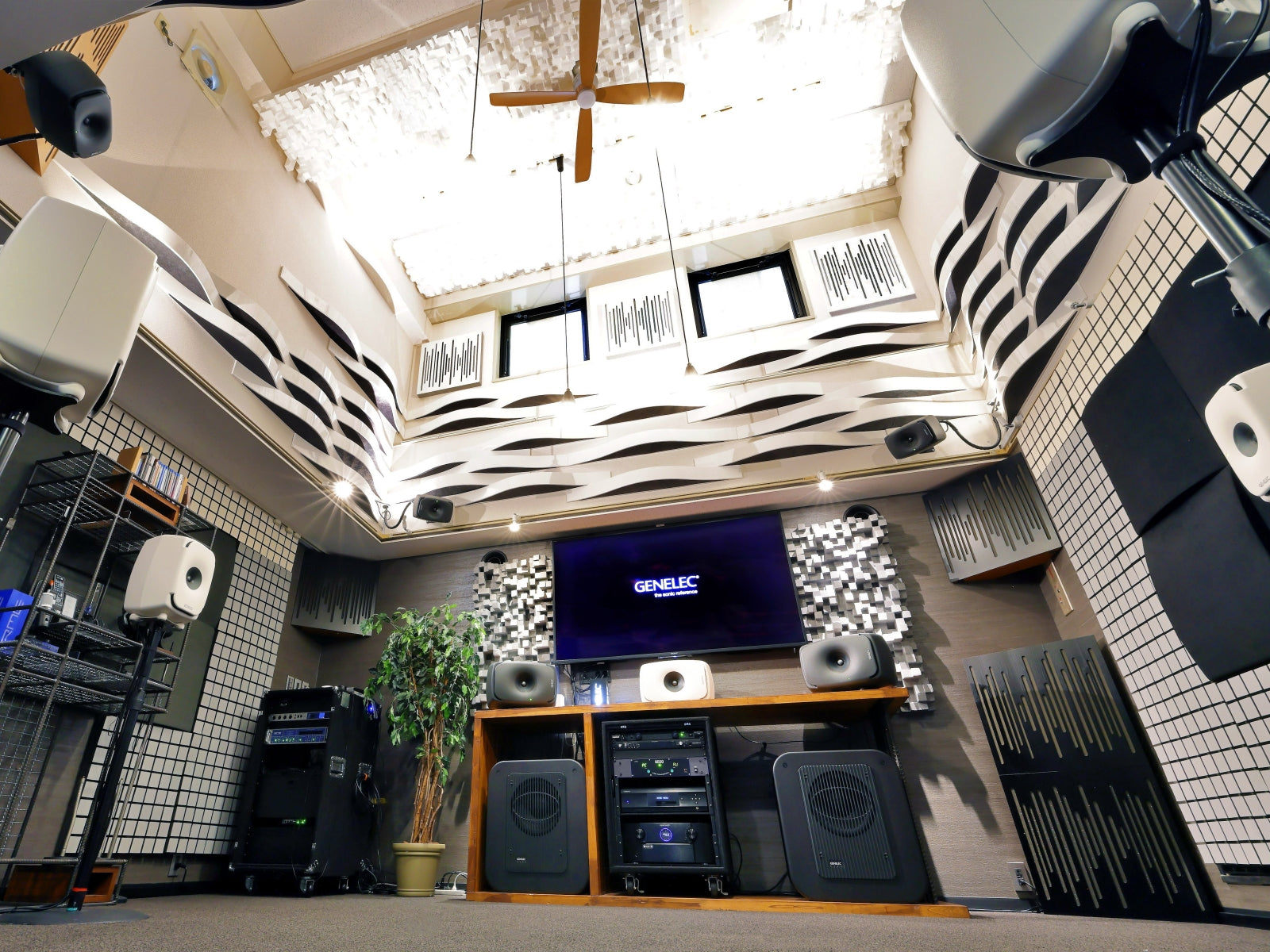
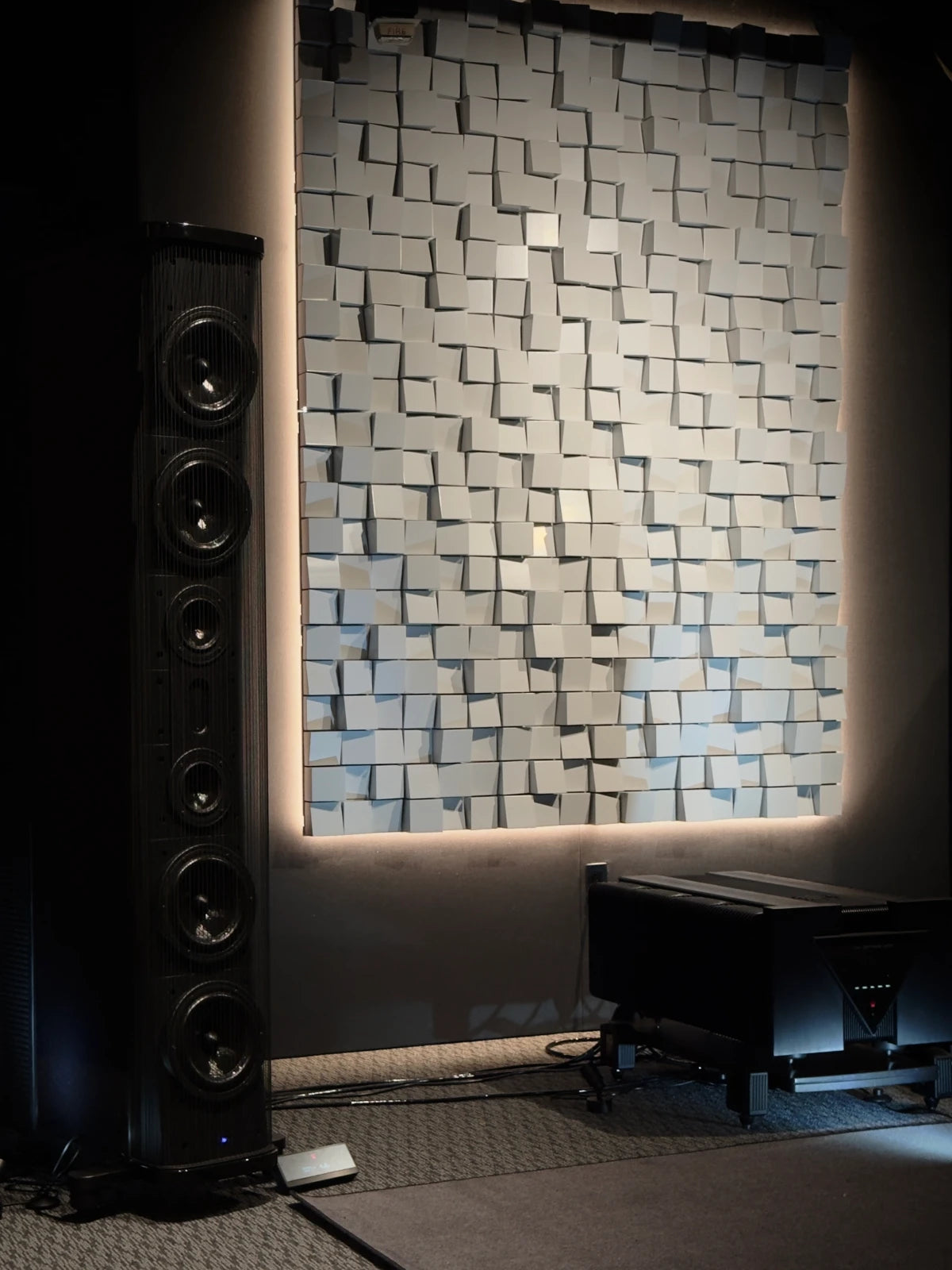
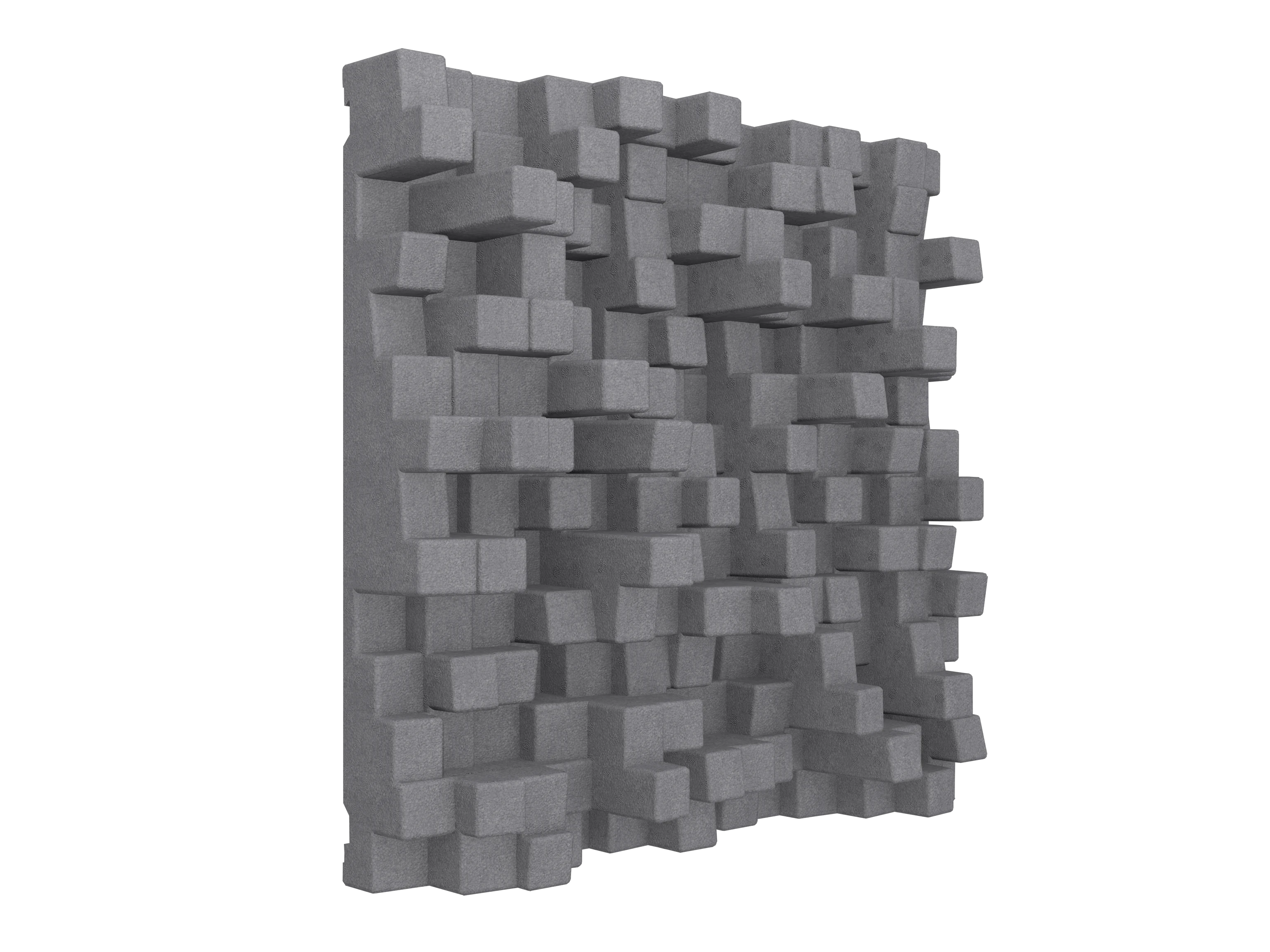
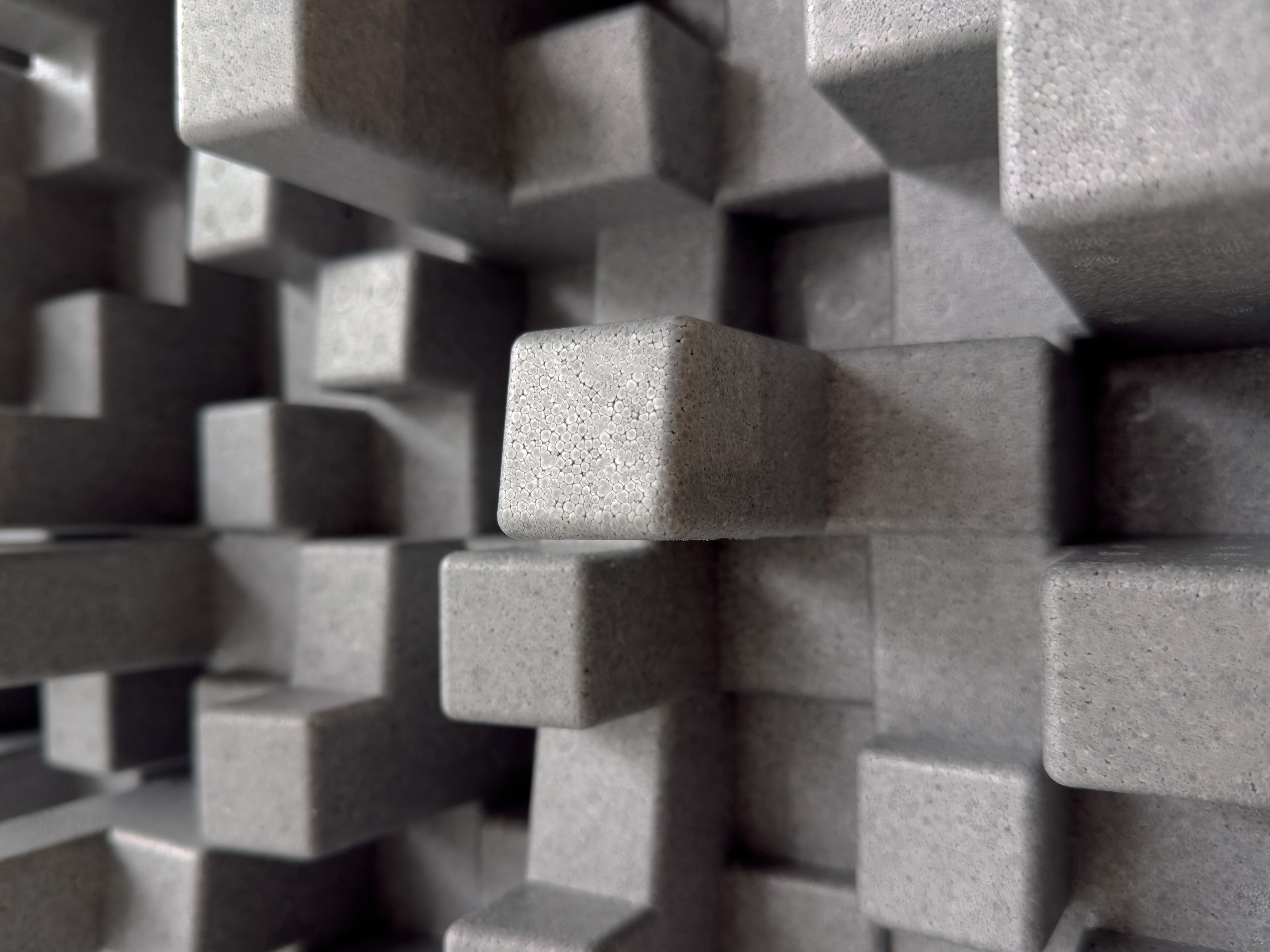
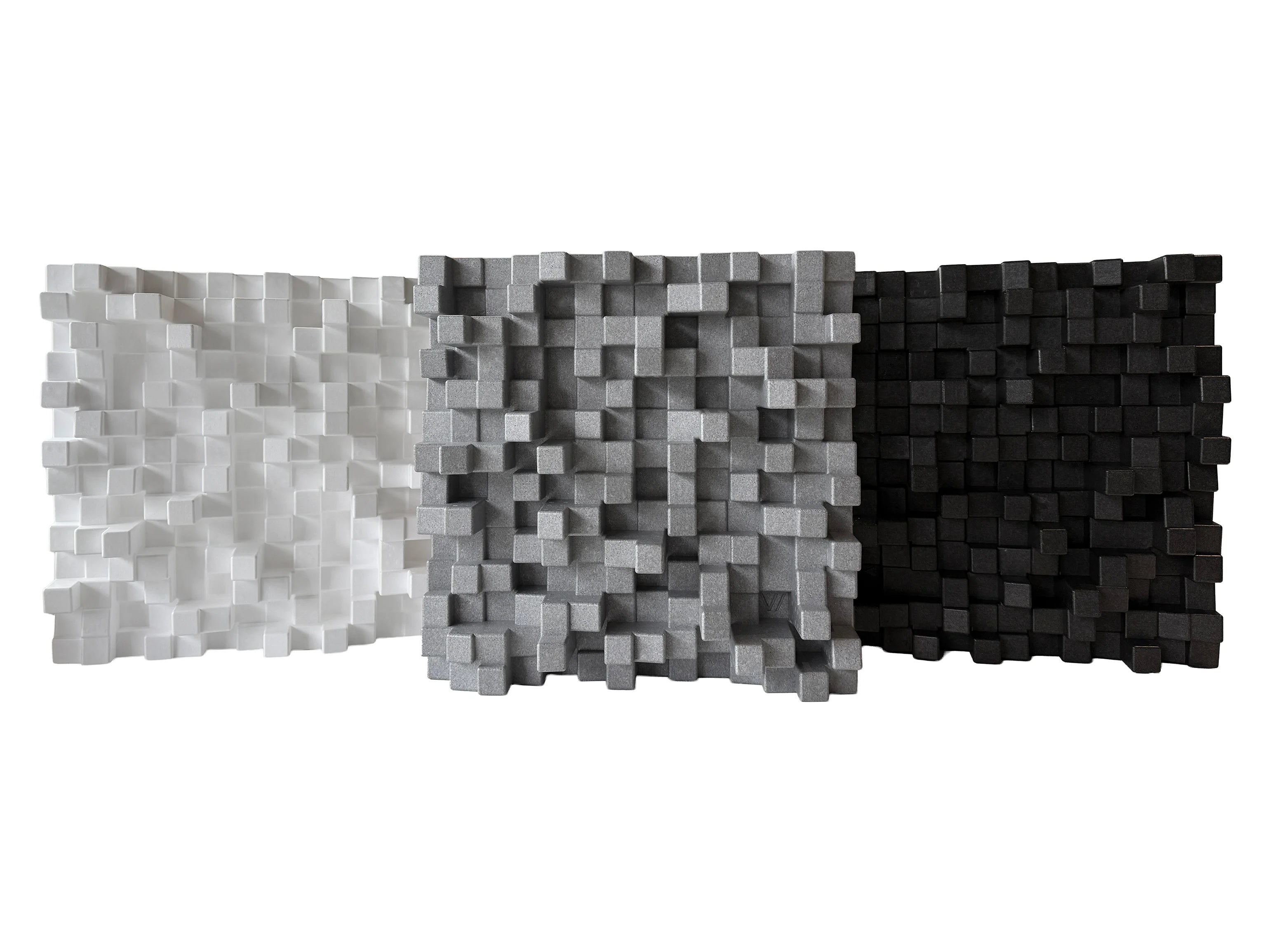
Where the room should retain liveliness and energy - common in listening rooms and music spaces where a completely "dead" sound is undesirable - a diffuser is the better choice. A diffuser does not remove the sound energy; it scatters it in multiple directions on each reflection, so the wave never returns along the same clean path twice. This eliminates the audible flutter while preserving the room's natural ambience.
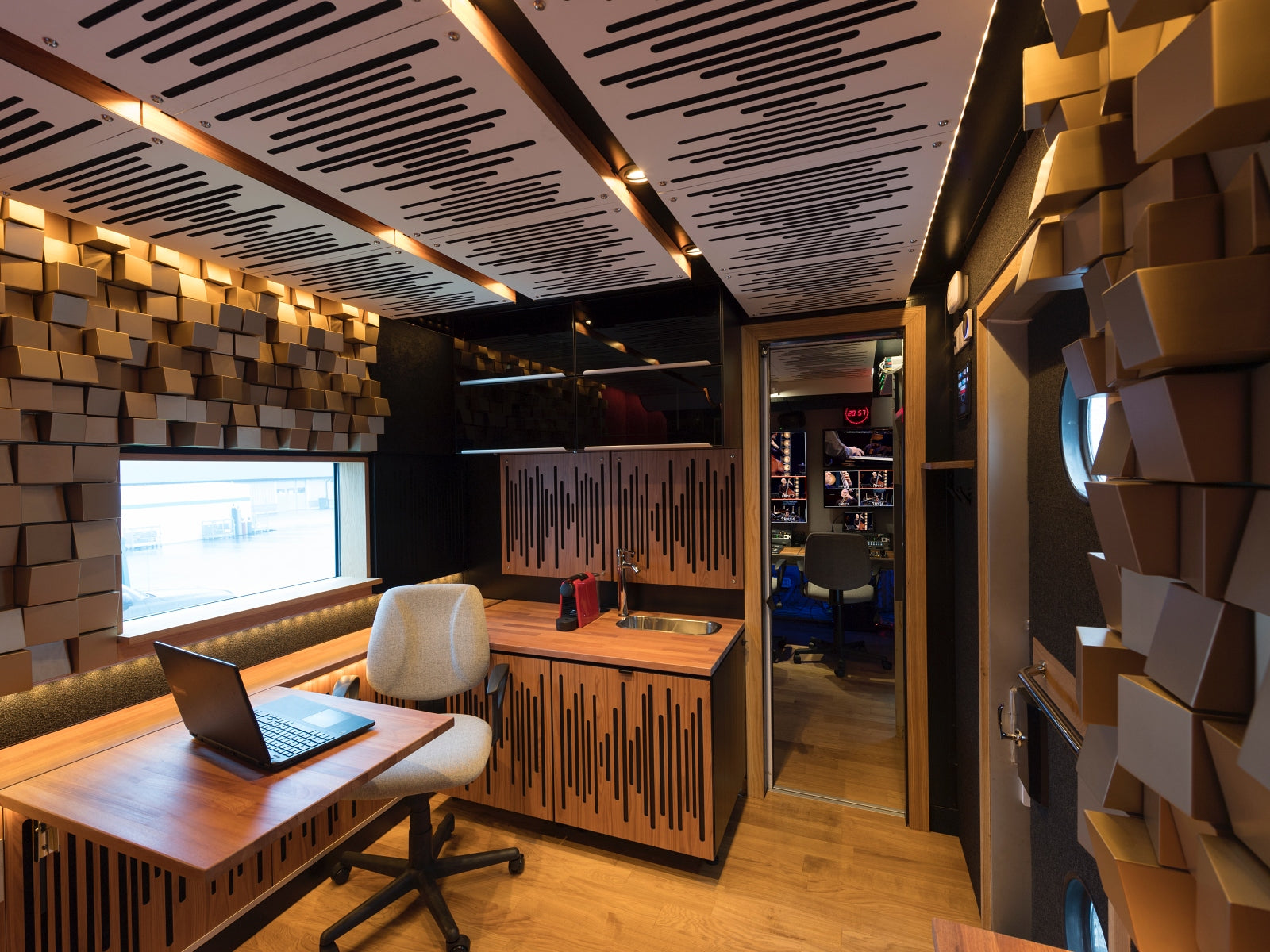
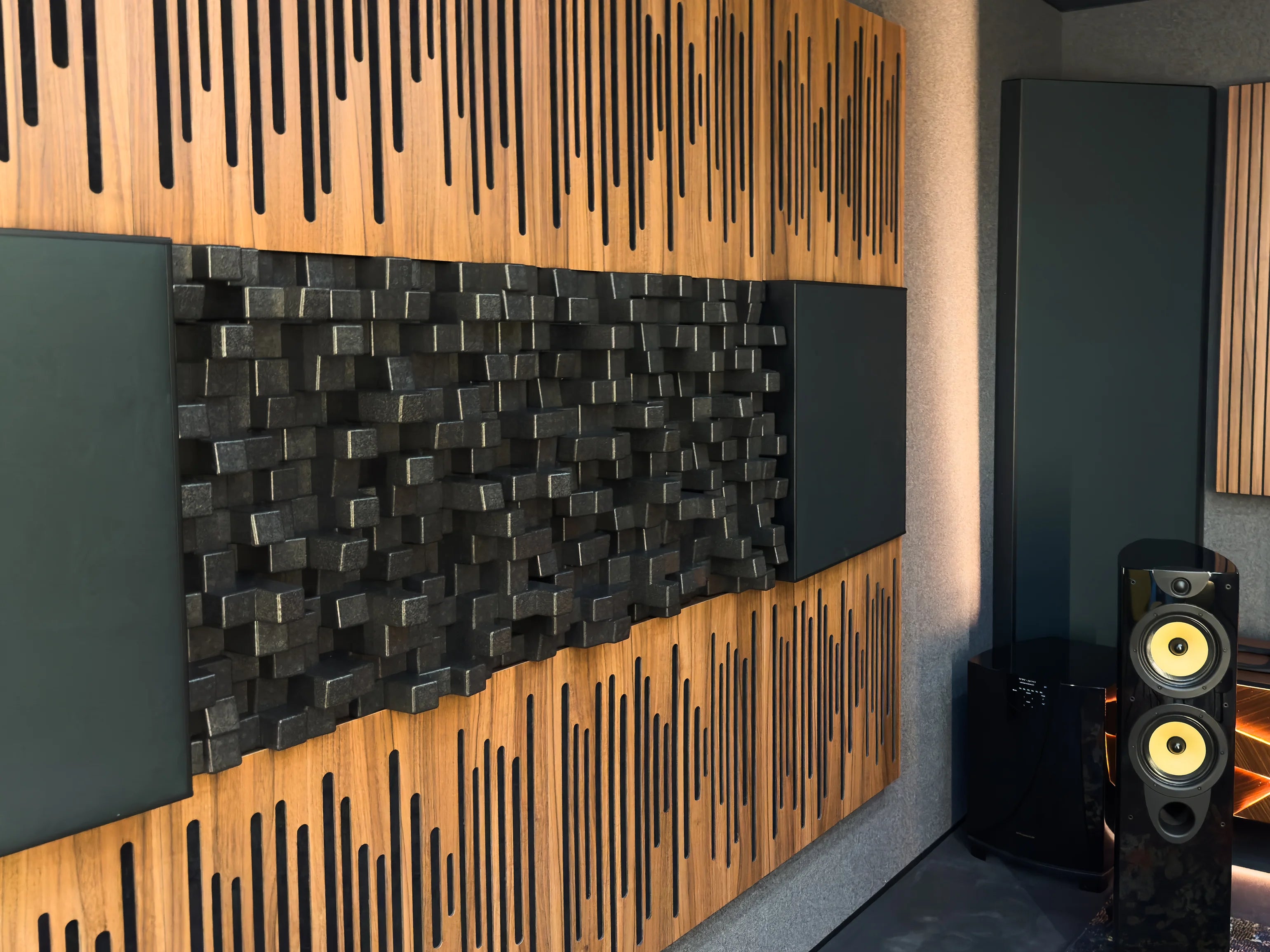
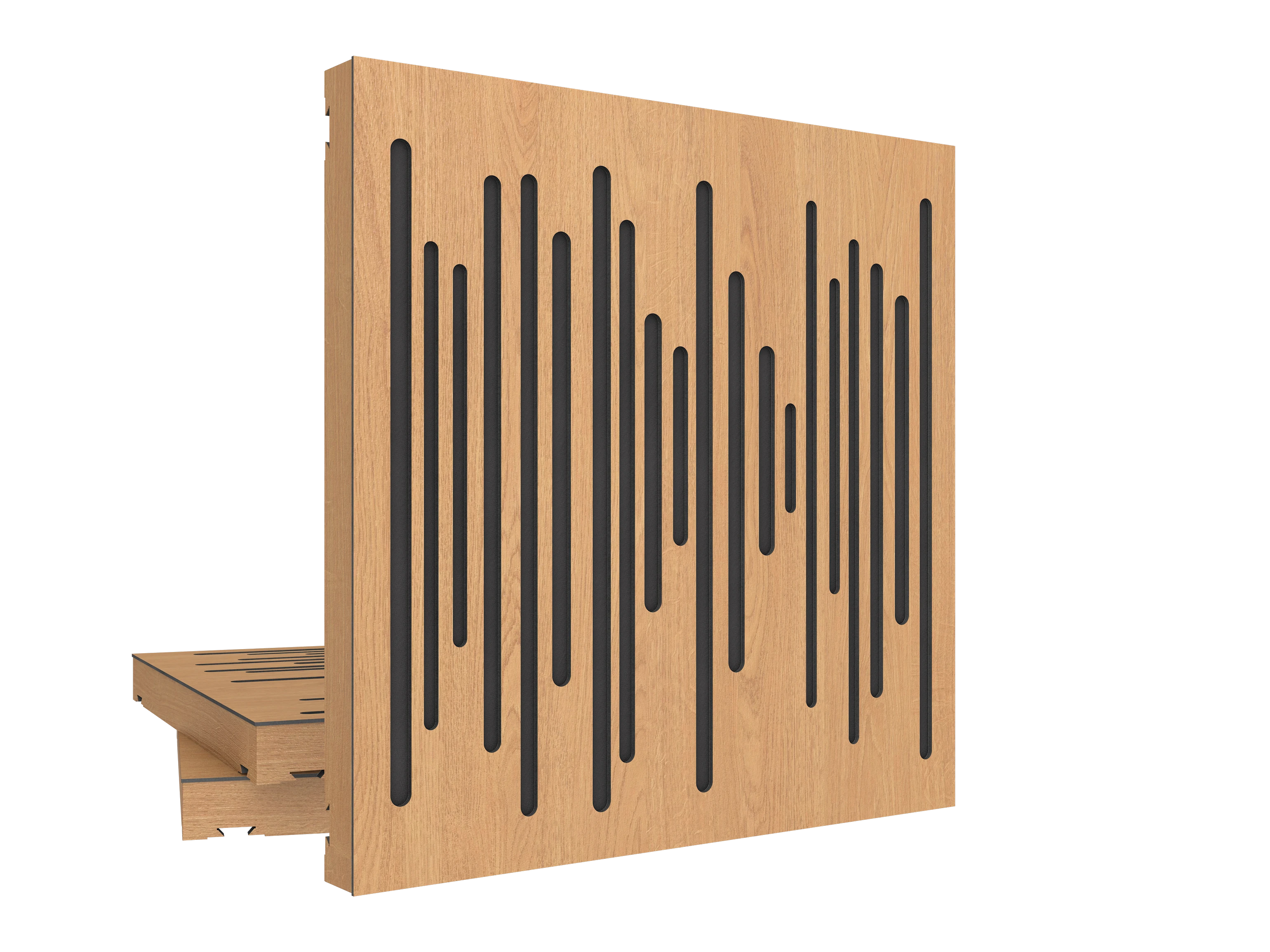
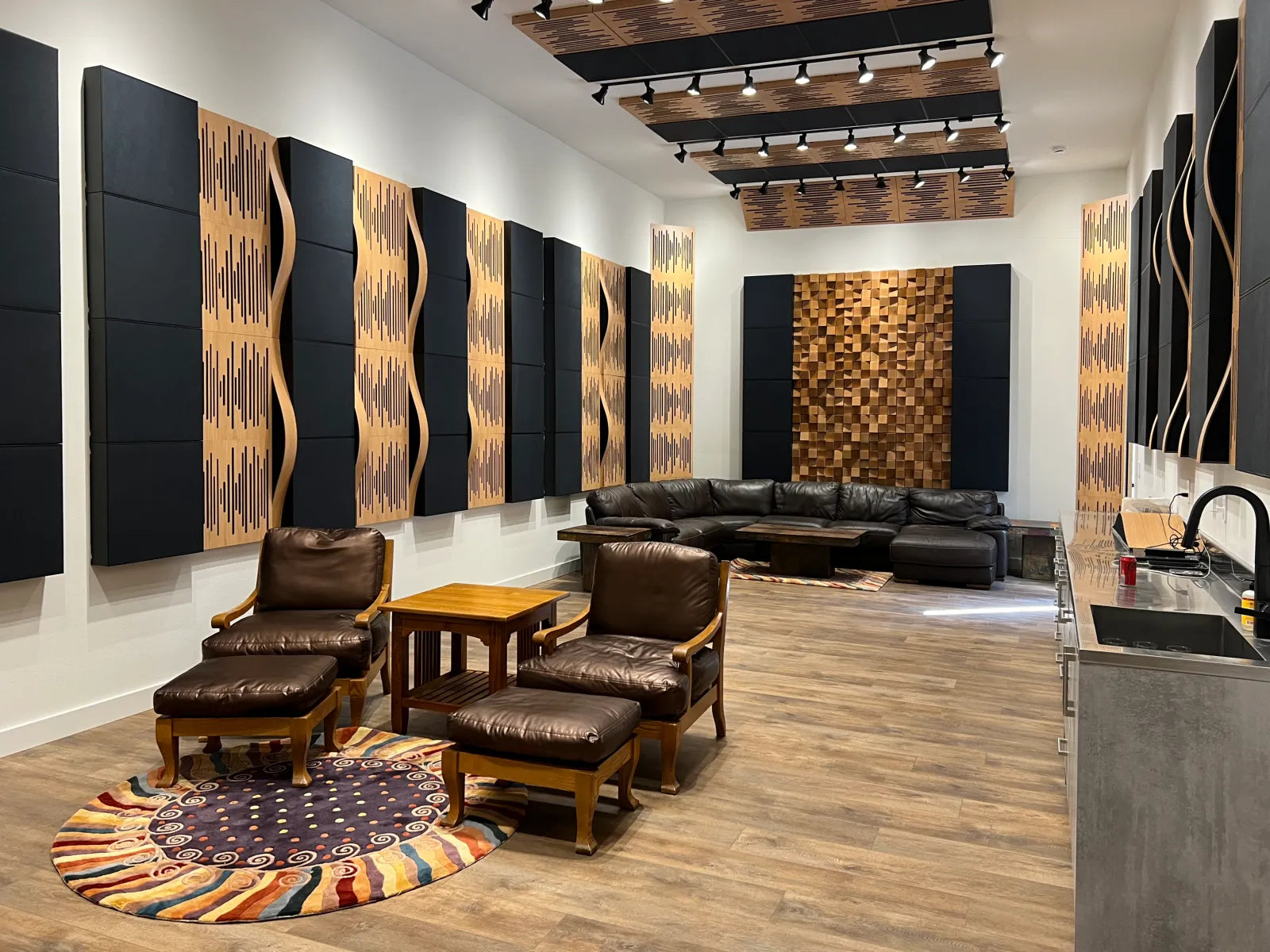
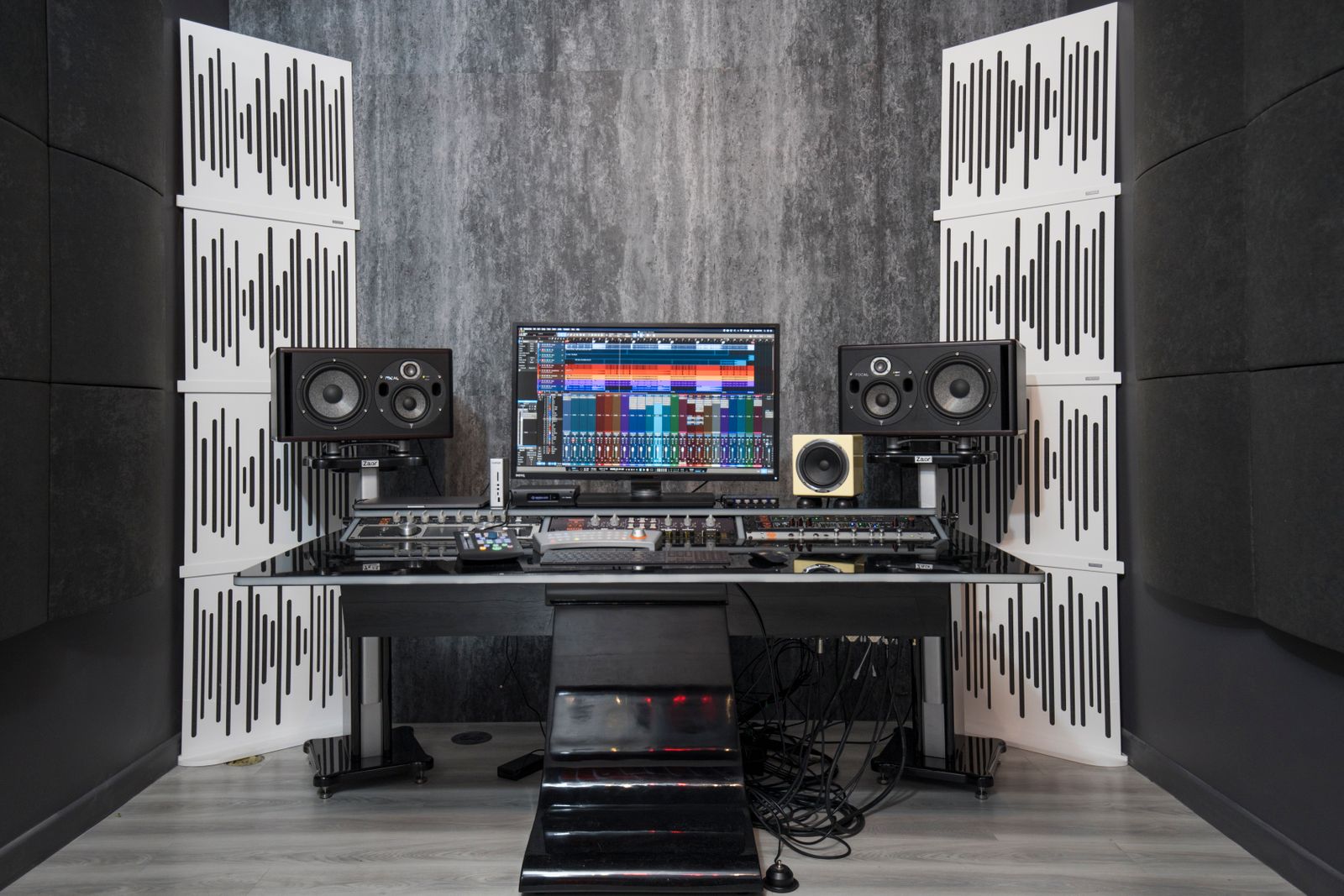
The Multifuser Wood MKII and Multifuser DC4 are both designed for this role, and are commonly placed on a rear wall or any large flat surface directly facing another hard, parallel surface. The VicPattern Ultra Wavewood MKII combines a design-forward finish with the same diffusing geometry, making it a common choice where the treatment also needs to look intentional rather than purely functional.
Which Surfaces to Prioritise
In most rooms, flutter echo originates from one of two surface pairs:
Side walls (left and right)
The most common source is in small to mid-sized rooms, particularly home studios and listening rooms with parallel walls and no furniture breaking up the surface.
Floor and ceiling
Common in rooms with hard flooring and a flat, untreated ceiling - the vertical reflection path is just as capable of producing flutter as a horizontal one.
Treating just one of the two surfaces in each pair is enough. This is consistent with the broader principle in acoustic treatment: ceiling and one wall first, then assess whether further treatment is needed once the obvious flutter is gone.
Flutter Echo vs. Other Acoustic Problems
It helps to know how flutter echo differs from related issues, since the fix is not always the same:
|
Problem |
Cause |
Typical fix |
|
Flutter echo |
Sound bouncing repeatedly between two parallel hard surfaces |
Absorption or diffusion on one of the two surfaces |
|
Excess reverberation (long RT) |
Too little absorbing material across the whole room |
Broadband absorption distributed across multiple surfaces |
|
Room modes (bass buildup) |
Standing waves at specific low frequencies tied to room dimensions |
Bass traps in room corners |
|
Comb-filter effect |
Early reflections arriving close in time to direct sound, causing phase cancellation |
Absorption or diffusion at first-reflection points (side walls, ceiling) |
Flutter echo can exist in a room that otherwise has a perfectly reasonable overall reverberation time - it is a localised, geometry-driven problem, not necessarily a sign that the whole room needs treatment. This is exactly why diagnosis (the clap test) matters before buying any acoustic product: treating the wrong surface, or over-treating a room that only has a flutter problem in one specific spot, wastes both panels and budget.
Fix Flutter Echo in Your Room
Flutter echo has an identifiable cause and a direct fix: break the reflection path between two parallel surfaces with absorption or diffusion on one of them. For rooms that need to stay lively - listening rooms, music spaces - a diffuser like the Multifuser Wood MKII or Multifuser DC4 removes the flutter while preserving ambience. For rooms where a more controlled, neutral sound is the goal - vocal booths, voiceover spaces, control rooms - broadband absorption with Flat Panel VMT is the more direct route.
Whether you're treating a single problem wall or planning a full room from scratch, UniVicoustic has the product range and acoustic expertise to help you get it right - from picking the correct panel to technical support at the specification stage.