


If you have ever been in a room where voices sound muddy, music loses its clarity or noise seems to keep building up, you have heard what uncontrolled sound reflections can do.
The right acoustic absorption material can help solve these problems, but there is no single best material for every room. The right choice depends on which frequencies you need to control, how much space you have, how the material is installed, and practical requirements such as fire safety, durability and appearance.
From traditional materials such as mineral wool and polyurethane foam to recycled PET wool, each type of absorber offers different advantages depending on the application. Understanding these differences can help you select a solution that meets both the acoustic requirements and the practical needs of your project.
This guide explains the main types of acoustic absorption materials, what each one is suited to, and how thickness, mounting and material properties affect acoustic performance.
What Is Acoustic Absorption?
When sound reaches a hard surface such as glass, concrete or plaster, much of its energy is reflected back into the room. Absorptive materials work differently: sound enters the material and part of its acoustic energy is dissipated, reducing the amount of sound reflected back into the space.
Most common acoustic absorbers are porous materials made from fibers or open-cell structures. Mineral wool, glass wool, polyurethane foam and recycled PET wool work primarily through this mechanism.
A second category is resonant absorption. Resonant absorbers are designed to respond to specific low-frequency ranges and dissipate acoustic energy through a resonant mechanism. They are particularly useful when a room has strong low-frequency resonances or modal problems.
The goal is not to absorb as much sound as possible. Too much absorption can make a room feel unnaturally dead, while too little leaves it reverberant and difficult to use. Effective acoustic treatment finds the right balance for the room, its dimensions and its intended use.

What Does an NRC Rating Mean?
Many acoustic products list an NRC (Noise Reduction Coefficient) rating. NRC is a single-number rating used to describe the average sound absorption of a material or acoustic assembly at four octave-band centre frequencies: 250, 500, 1,000 and 2,000 Hz. The result is rounded to the nearest 0.05.
A higher NRC generally indicates greater average sound absorption across these frequencies, but it does not describe the complete frequency response of a product. Two products with a similar NRC can therefore behave differently at individual frequencies, particularly in the low-frequency range.
Why Thickness and Mounting Matter
Low-frequency sound has a longer wavelength than high-frequency sound. Porous absorbers therefore need sufficient thickness to provide effective absorption at lower frequencies.
A thin panel can be highly effective at medium and high frequencies while providing limited absorption at low frequencies. Increasing the thickness of the absorber can extend its effective range towards lower frequencies.
An air gap behind the absorber can provide another way to increase the effective depth without making the visible panel itself thicker. This makes the mounting system part of the acoustic design, rather than simply an installation detail.
UniVicoustic’s VicSpacer MKII demonstrates how mounting can improve acoustic performance. A 20 mm Flat Panel VMT installed directly against a wall has an NRC of 0.55 under the specified test conditions. When mounted using VicSpacer MKII, which creates an air gap behind the panel, the NRC of the complete assembly increases to 0.85. This configuration can improve absorption at lower frequencies compared with direct mounting.
VicSpacer Plus MKII incorporates an additional layer of PET absorber inside the frame, increasing the NRC of the complete assembly to 0.95 when used with the same 20 mm Flat Panel VMT.
The Main Types of Acoustic Absorption Materials
|
Material |
Good at |
Watch out for |
|
Mineral wool and glass wool |
Well-established porous absorbers capable of broad-frequency absorption when appropriately designed |
Weight, surface protection, handling, durability and the fire classification of the finished system |
|
Polyurethane foam |
Lightweight, versatile and available in a wide range of profiles |
Performance depends on thickness and structure; fire classification and durability must be considered |
|
Recycled PET wool |
Effective porous sound absorption, design flexibility, finished architectural surfaces and the potential use of recycled raw materials |
Performance depends on thickness, mounting and the properties of the complete assembly |
|
Wood fibre and fabric-wrapped panels |
Integration into architectural interiors and a wide range of finishes |
Acoustic performance depends on the construction behind the visible surface |
1. Mineral Wool and Glass Wool
Mineral wool and glass wool are among the most widely used materials in architectural acoustics. They are found in suspended ceilings, wall panels, offices, auditoriums, recording studios and many other applications.
When correctly designed and installed, these fibrous materials can provide high absorption over a broad frequency range. Increasing the thickness generally improves their performance at lower frequencies.
The performance of the finished product depends on more than the raw material itself. Thickness, density, airflow resistance, surface finish, mounting method and air gaps can all influence the final acoustic result.
Weight, durability, fire classification and appearance should also be considered when selecting a complete acoustic product rather than comparing materials only by name.
2. Polyurethane Foam
Polyurethane foam is one of the materials most commonly associated with acoustic treatment. It is lightweight, easy to install and can be produced in many shapes and profiles.
Its open-cell structure allows sound energy to penetrate the material and be dissipated through friction within the foam. Thin polyurethane foam is generally most effective at medium and high frequencies and provides limited low-frequency absorption.
This makes acoustic foam suitable for applications such as small recording spaces, vocal booths and the control of flutter echo between parallel surfaces.
For professional studios and commercial interiors, other factors may influence the material choice, including fire classification, durability, aesthetics and the required frequency range.
3. Recycled PET Wool
Recycled PET wool is a fibrous acoustic material manufactured from recycled polyester. Its porous structure allows sound to penetrate the material, where acoustic energy is dissipated through friction within the fibre structure.
Like other porous absorbers, its performance depends on factors such as thickness, airflow resistance and mounting configuration. When correctly designed, PET wool can provide effective sound absorption for a wide range of architectural applications.
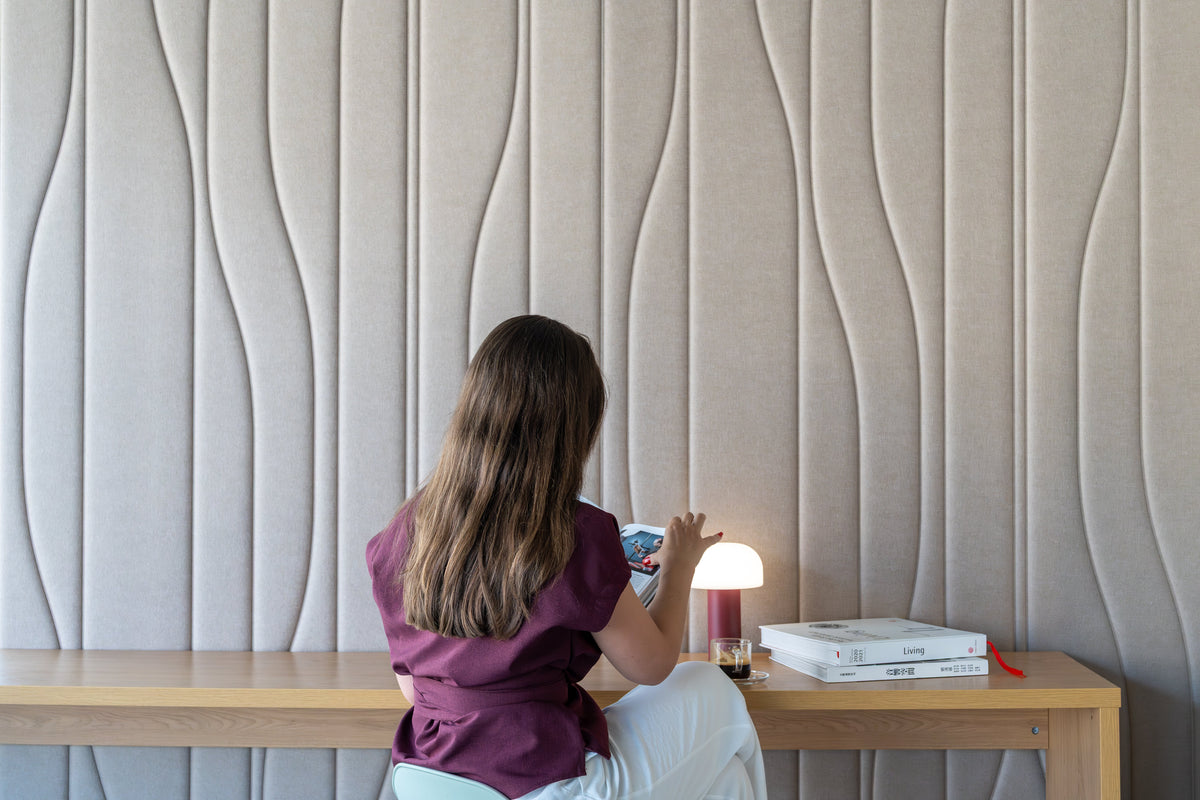
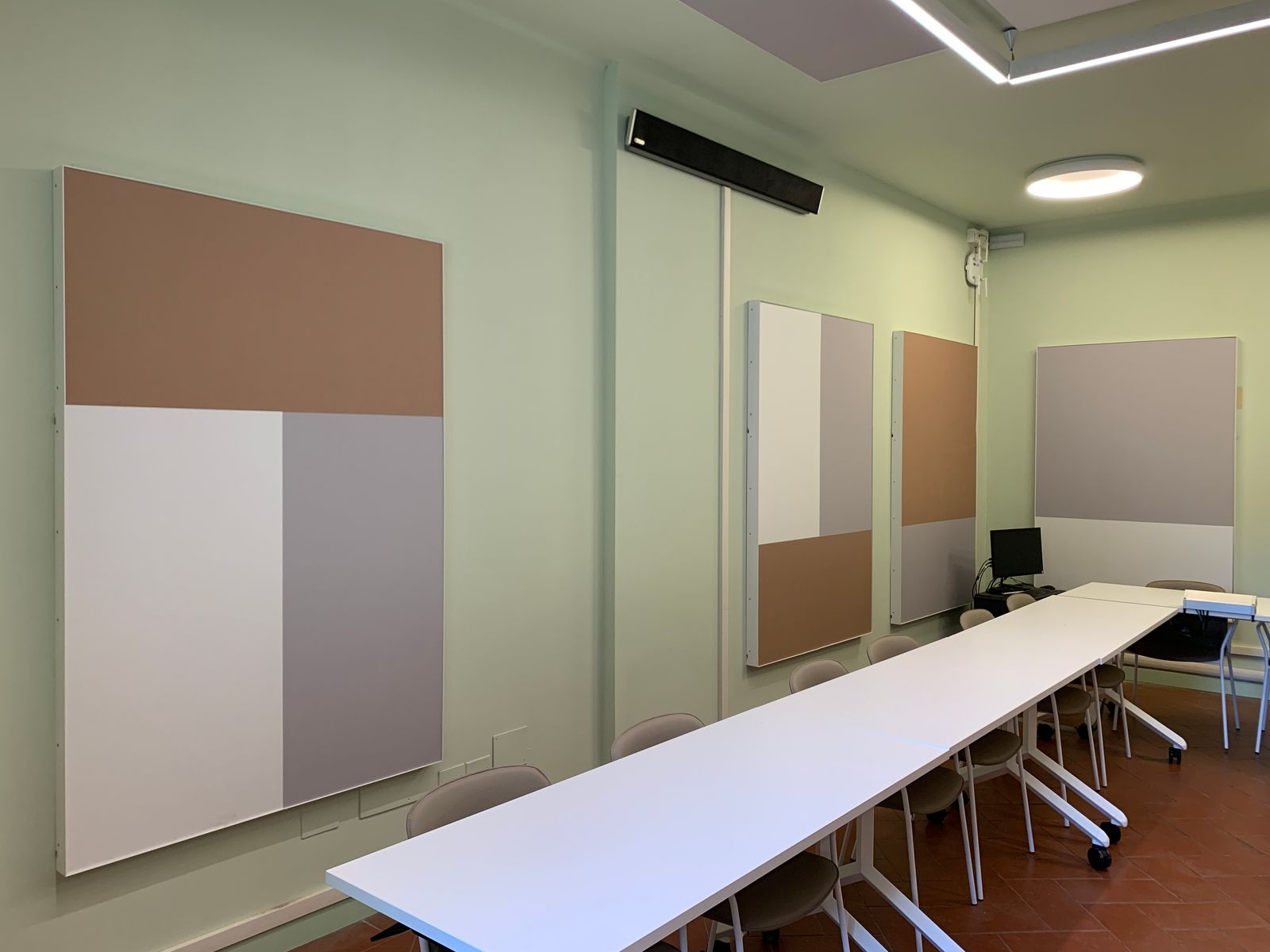
One of its main advantages is the ability to combine acoustic functionality with a finished surface suitable for contemporary interiors. Unlike acoustic solutions that require a separate decorative finish, PET-based panels can integrate sound absorption and visual design into a single product, such as the Embossed VMT Aqualine and Shard Panels.

For architects, designers and acoustic consultants, this creates opportunities to integrate acoustic treatment directly into the interior concept, rather than treating it as an element that needs to be concealed or added at a later stage.
UniVicoustic uses VicPET Wool in its VMT range, combining porous sound absorption with a broad selection of colours, textures and printed finishes. The range includes solutions designed to integrate into different architectural styles, from discreet wall treatments to more visually expressive interiors.
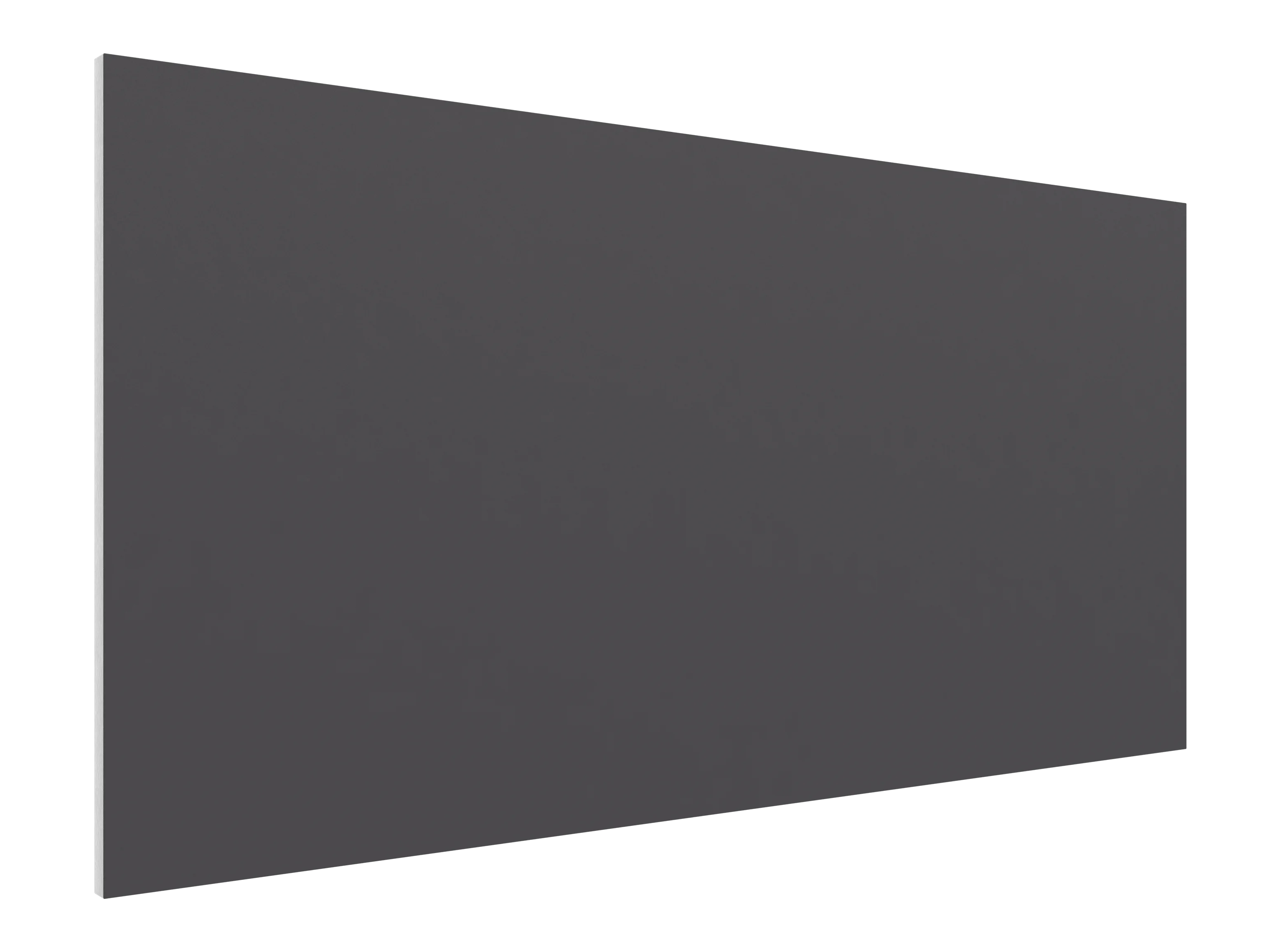
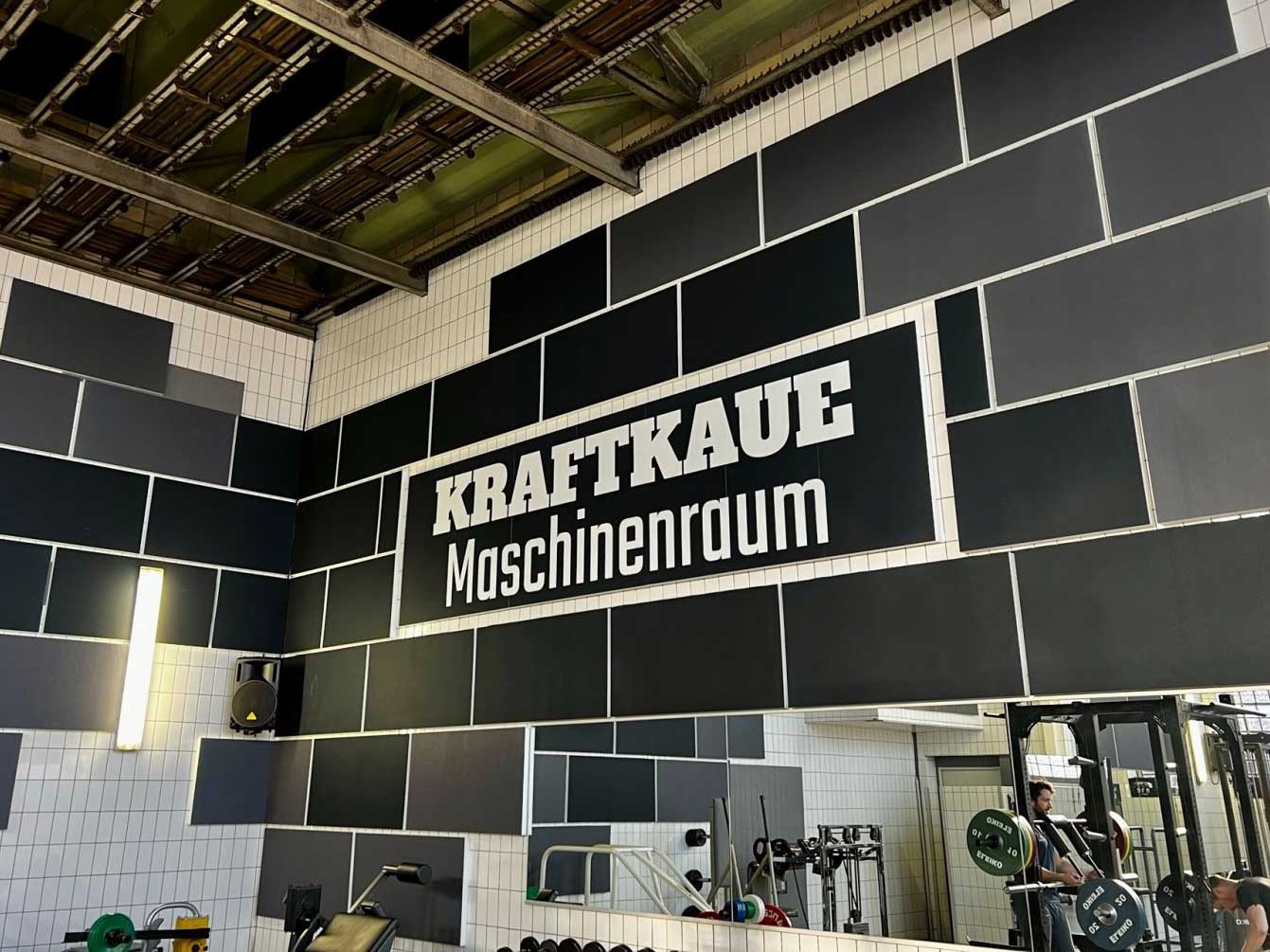
Flat Panel VMT is designed for medium- and high-frequency sound absorption. The 20 mm versions have an NRC of 0.55, while the 40 mm versions have an NRC of 0.70 under the specified test conditions.
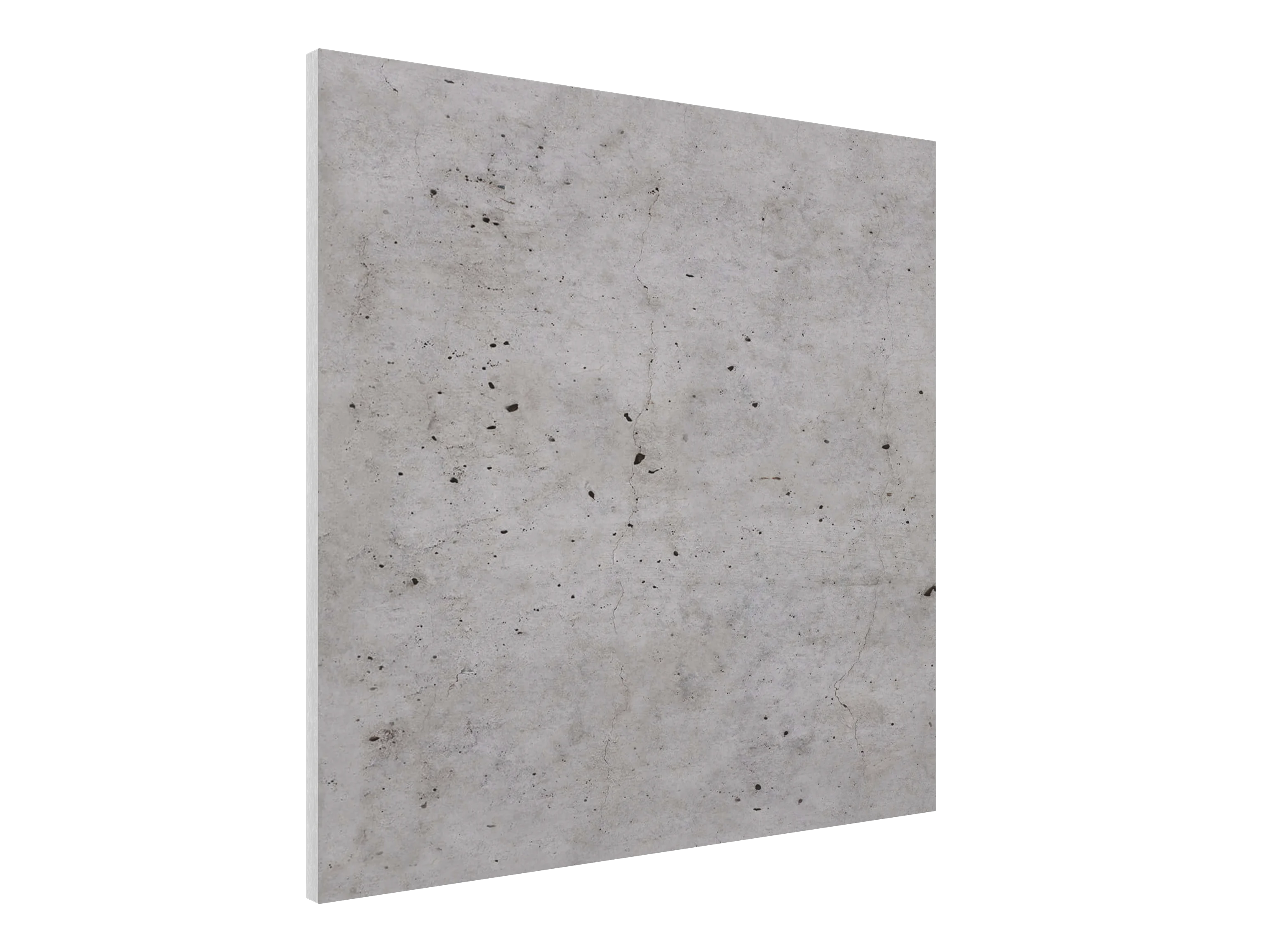
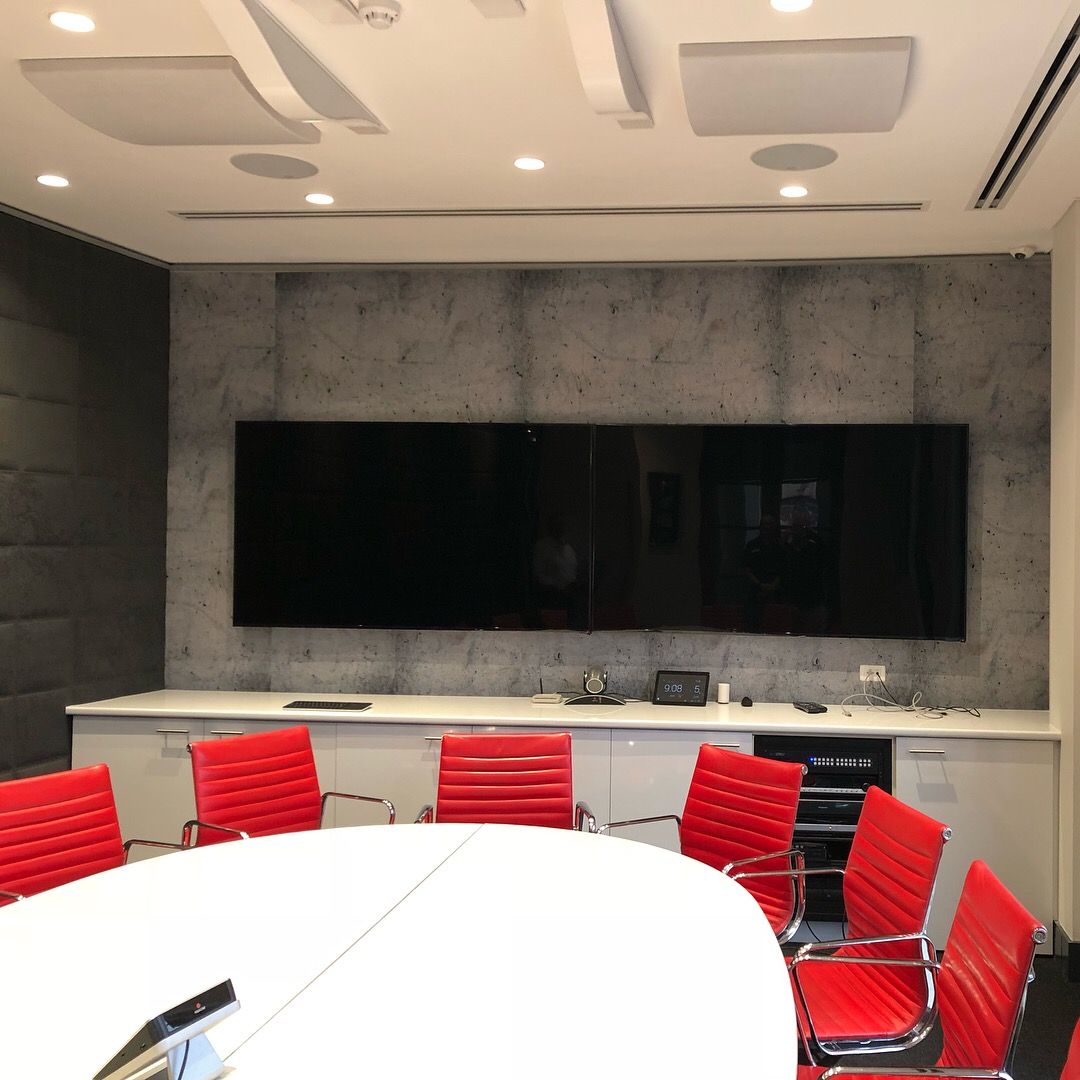
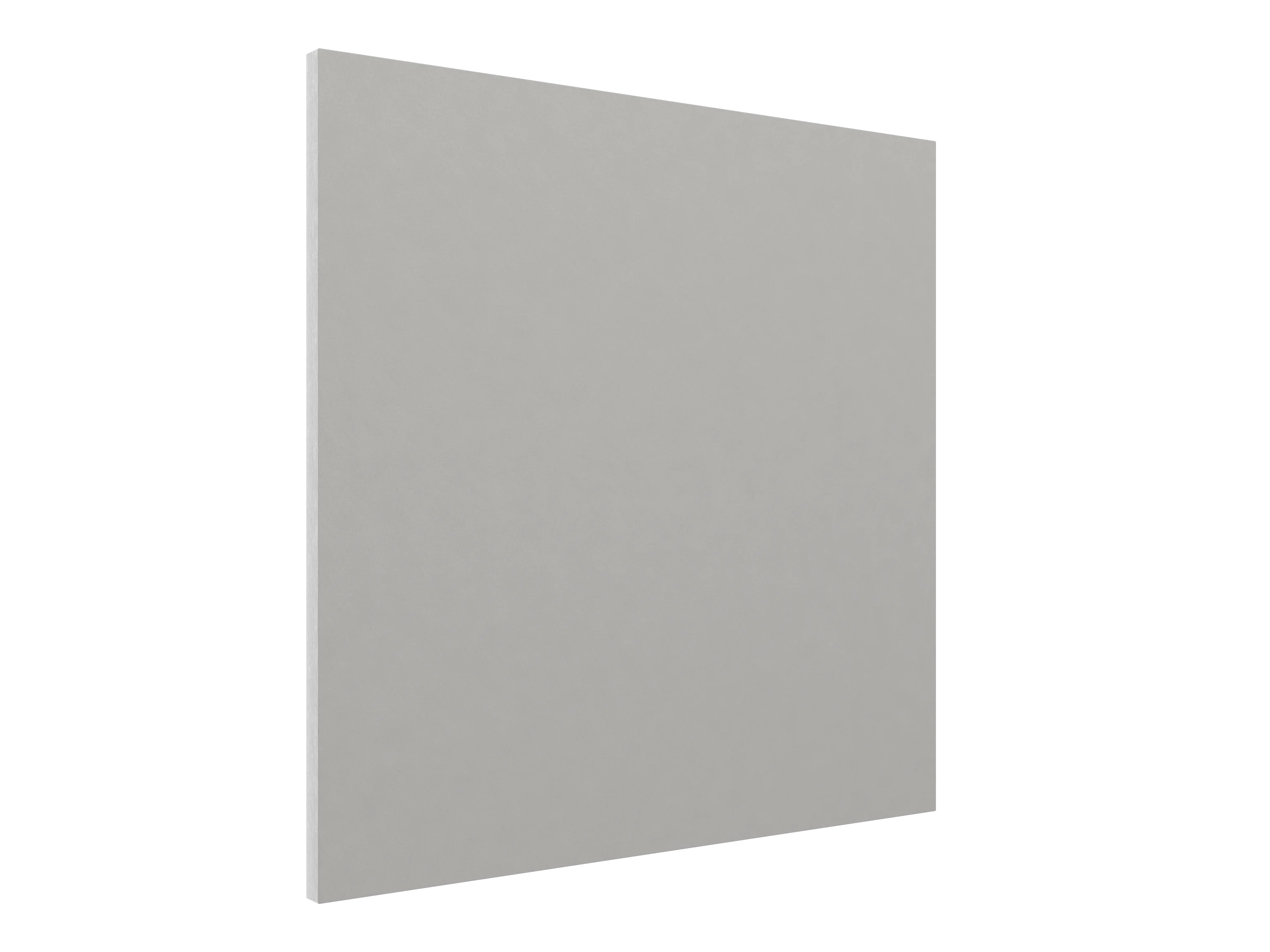
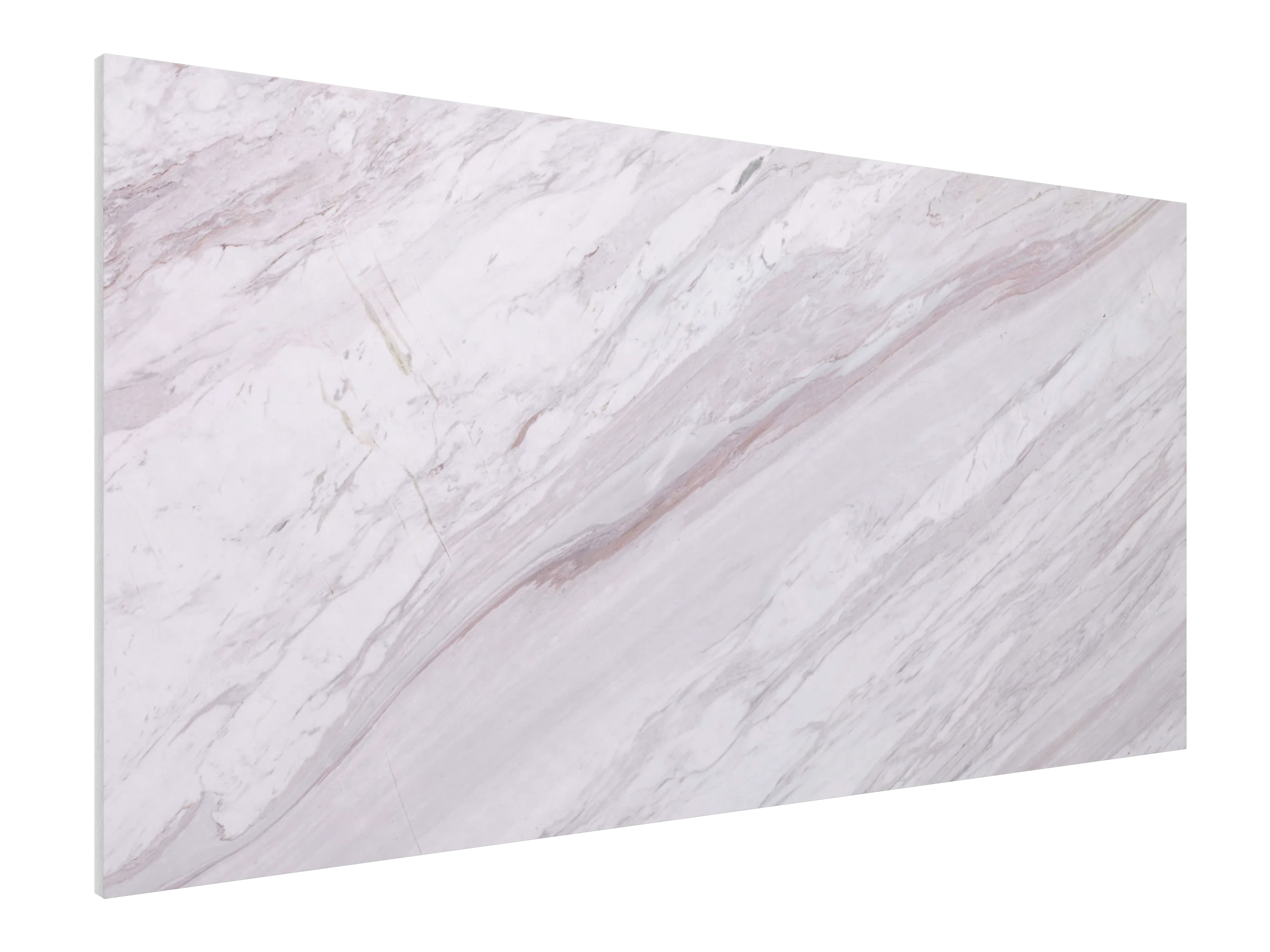
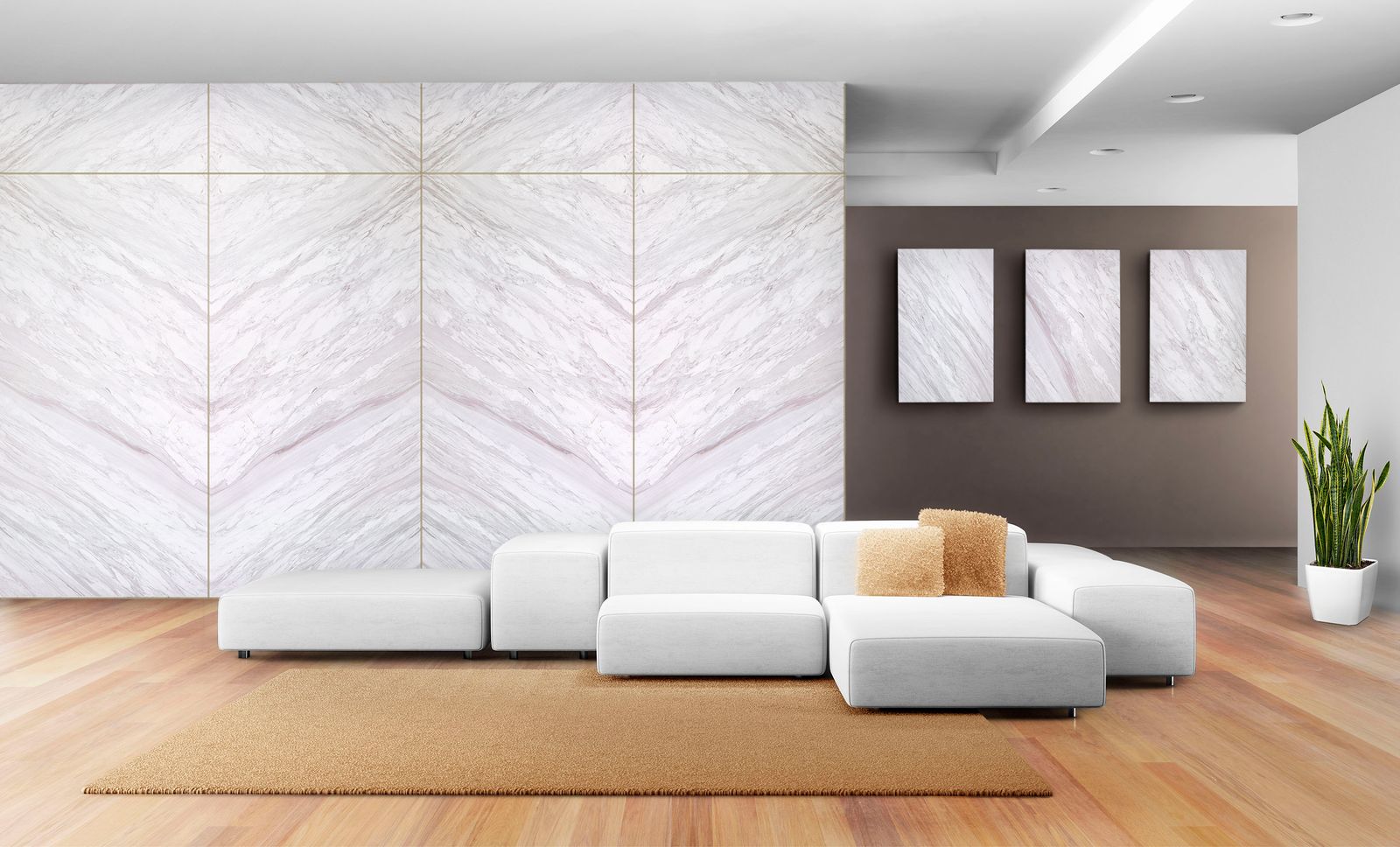
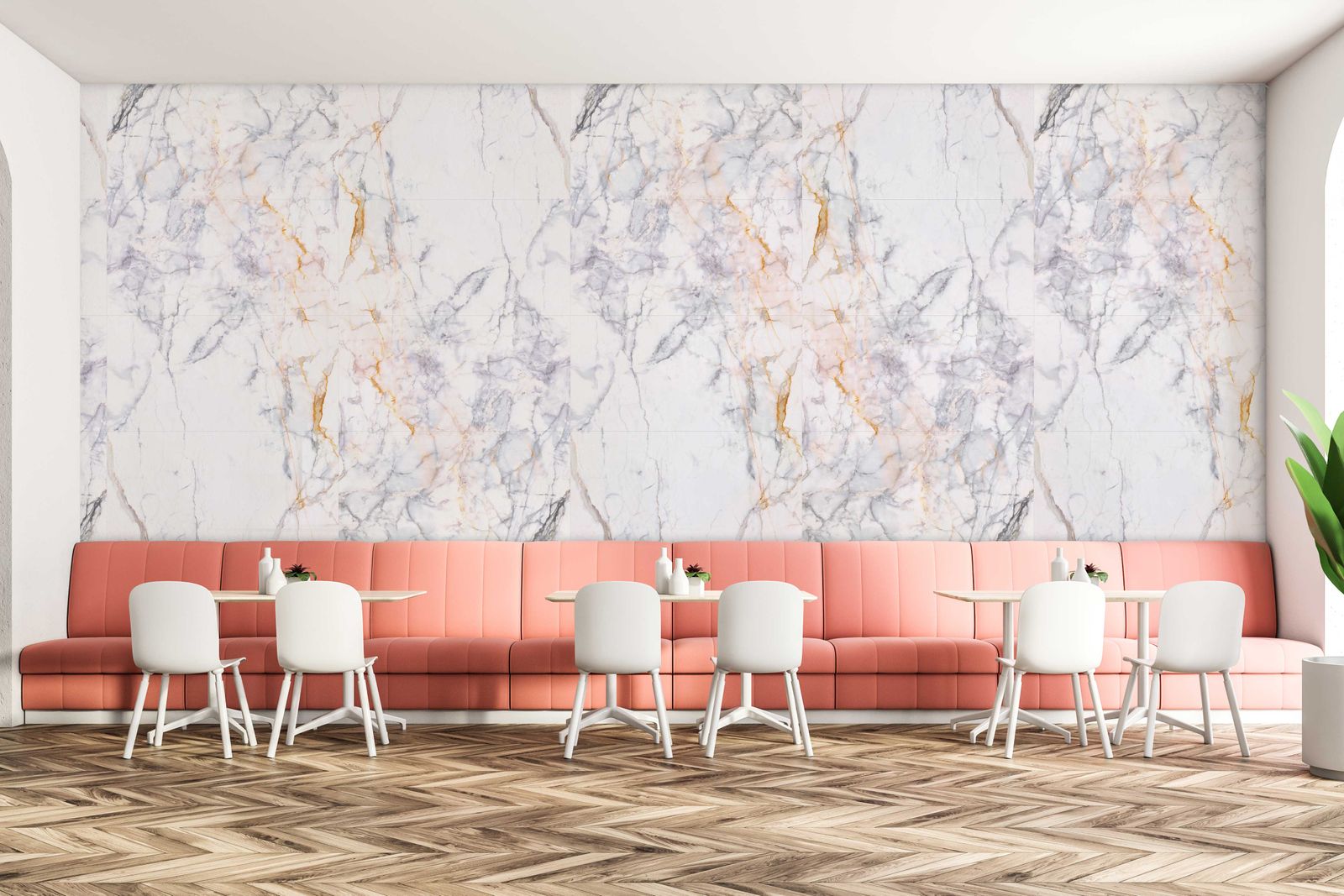
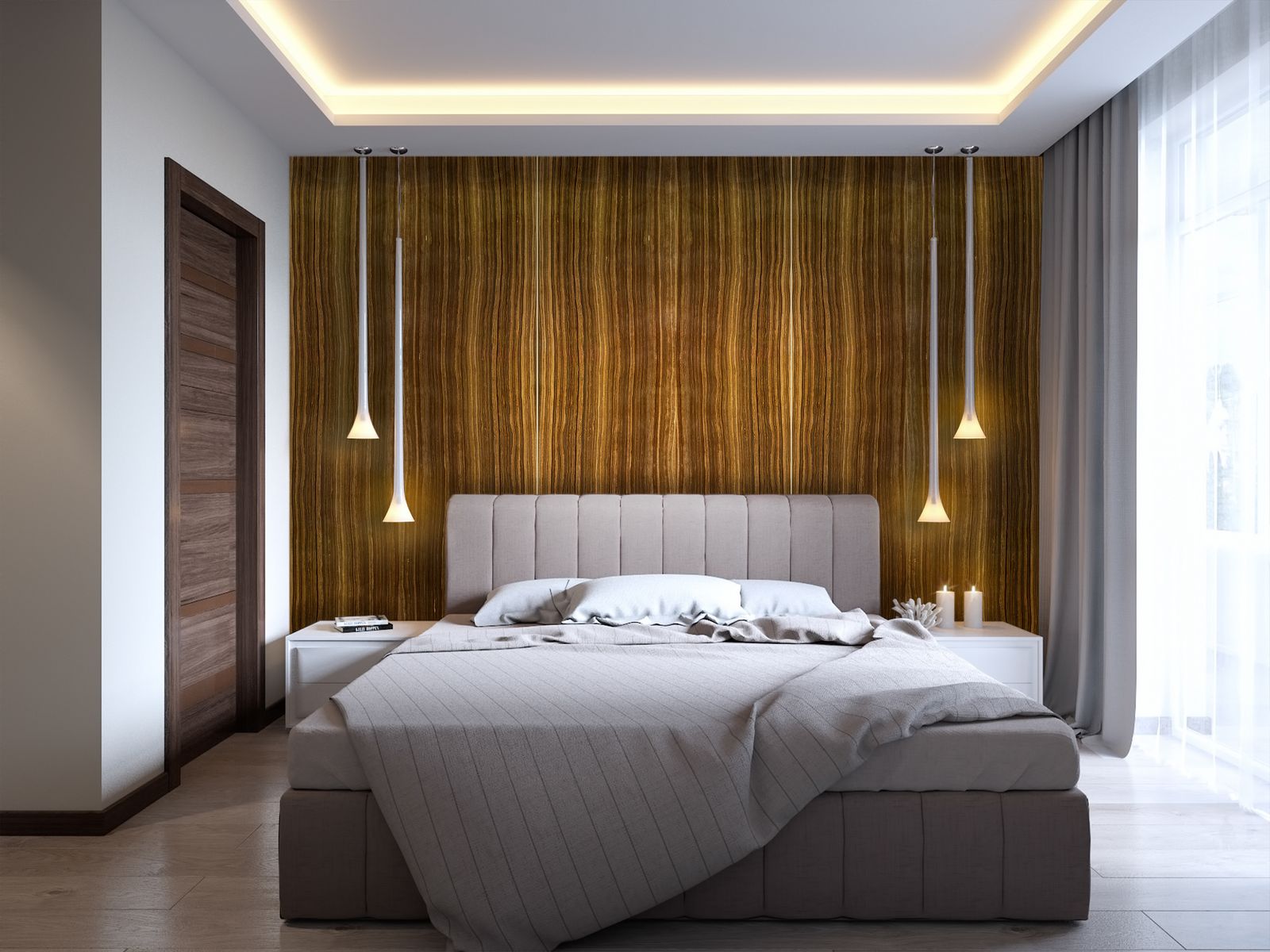
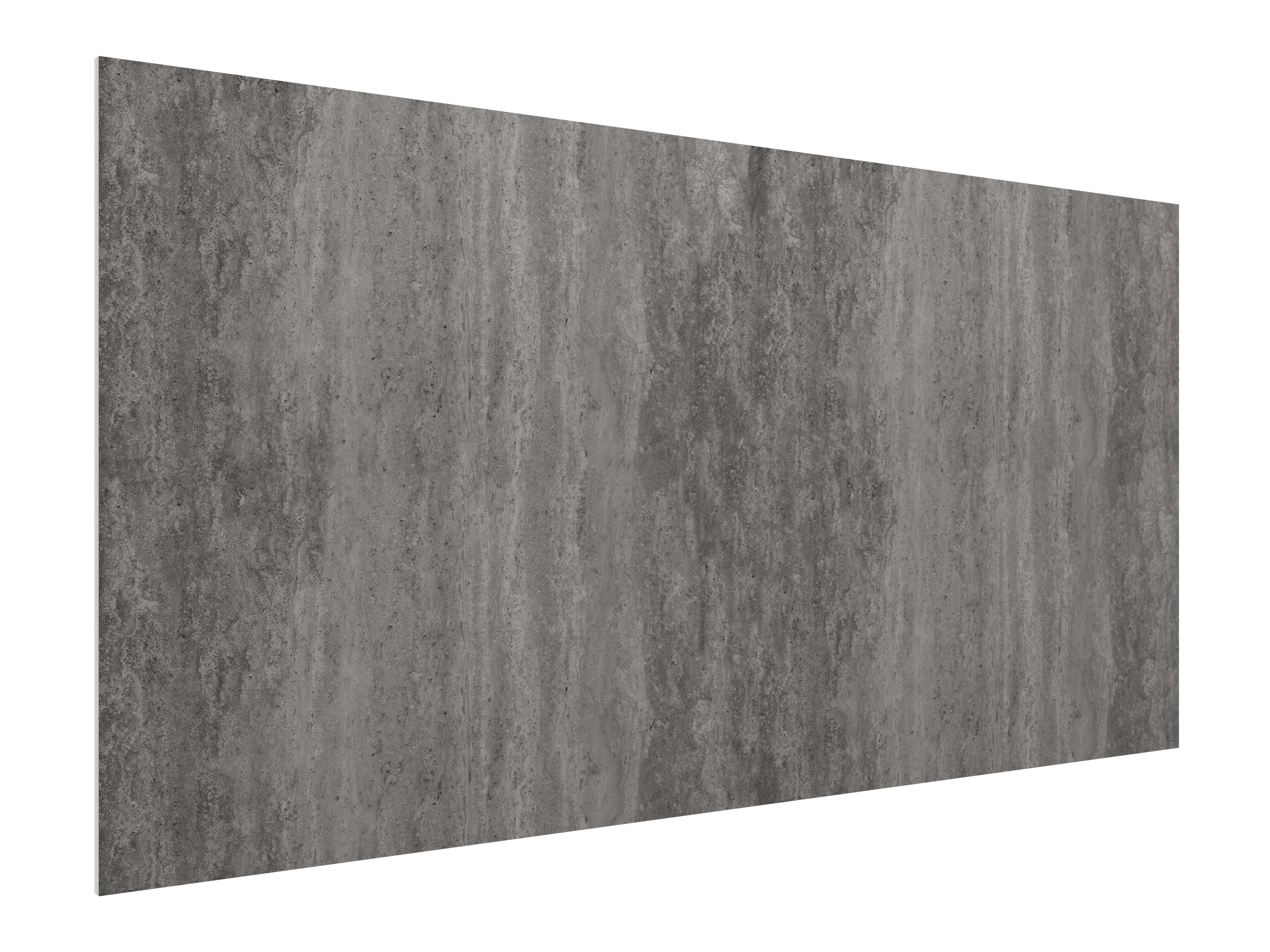
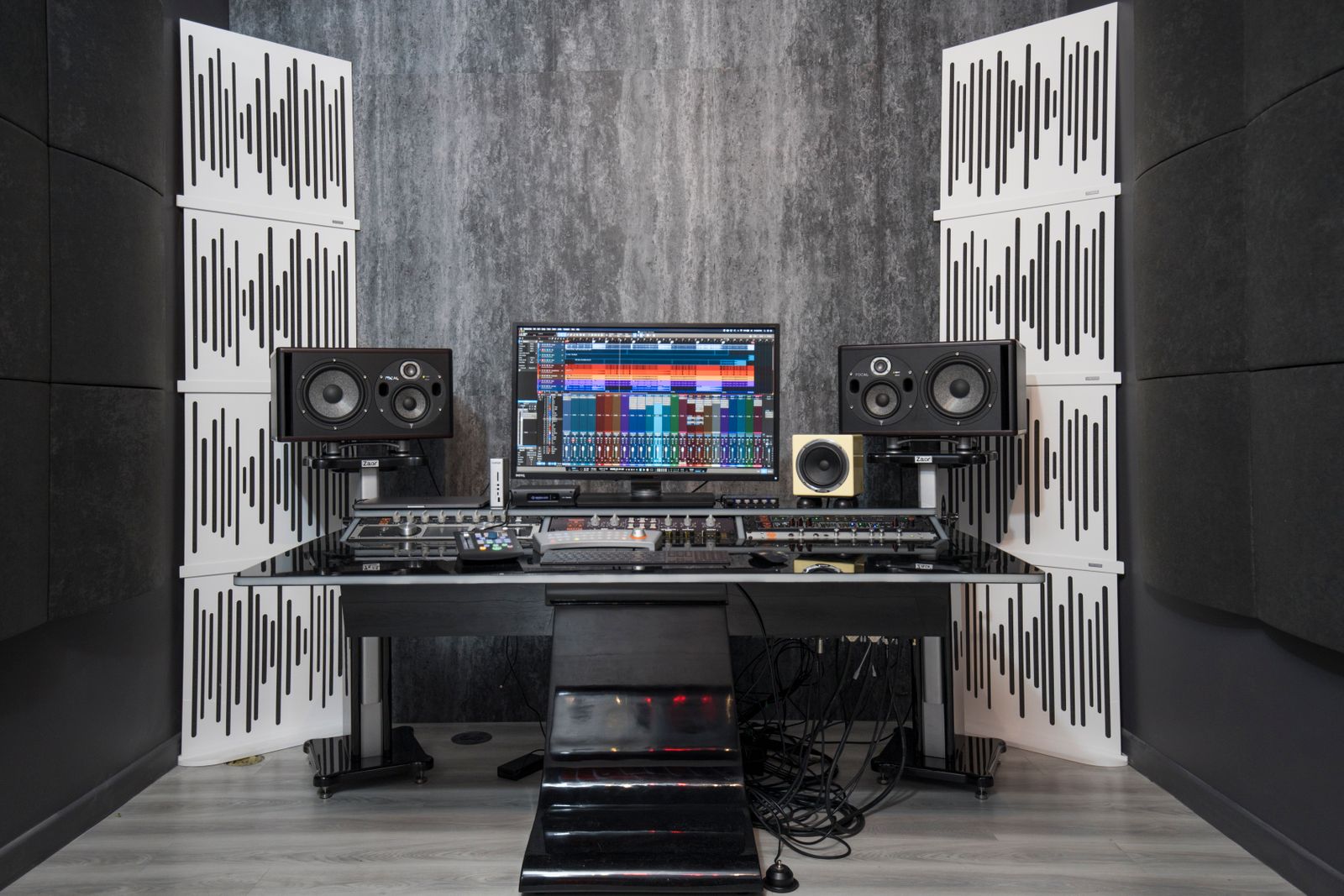
The panels are available in solid colors and design collections inspired by natural stone, wood, concrete and nature. This makes it possible to coordinate acoustic treatment with other interior finishes while maintaining a dedicated acoustic function.
Flat Panel VMT is classified as Euroclass B-s2,d0 in Europe and Class A according to ASTM E84 in the United States. Canadian classification is also available according to CAN/ULC S102.
4. Wood Fibre and Fabric-Wrapped Panels
Wood-based and fabric-wrapped acoustic panels are particularly common in design-led interiors because they can be integrated into the architecture of a room.
In many fabric-wrapped panels, the main acoustic absorption is provided by the porous core rather than the fabric facing itself. The construction behind the surface is therefore critical to the acoustic performance.
Wood-based systems can work in different ways. Perforations, slots, cavities and porous layers can be combined to create absorptive constructions, while solid wood surfaces can also contribute to reflection or diffusion depending on their geometry.
For this reason, the visible finish should not be used as the only indicator of acoustic performance.
Bass: Where Most Materials Fall Short
Low-frequency sound is generally the most difficult part of a room to control.
It's long wavelengths interact strongly with the dimensions of the room, creating standing waves and modal peaks. Conventional porous absorbers become less effective at these frequencies unless they have sufficient thickness or an appropriately designed air gap.
There are two main approaches to low-frequency absorption.
The first is depth. A thicker porous absorber, or one installed with a substantial air gap, can extend absorption towards lower frequencies.
The second is resonant absorption. Resonant absorbers are designed to respond to specific low-frequency ranges and dissipate their acoustic energy. They can be particularly useful when a room has strong modal peaks or persistent low-frequency problems.
Music rooms, listening rooms and control rooms often combine broadband porous absorption with dedicated low-frequency treatment. Bass treatment can be concentrated in corners and other locations where low-frequency energy is particularly strong.
UniVicoustic’s Super Bass Extreme Ultra is designed for low-frequency control in applications such as listening rooms and control rooms, while the Mega Bass Trap VMT XXL provides a larger-scale solution for demanding bass problems.
A room that controls voices and high-frequency reflections but leaves the low-frequency range untreated can still sound boomy and uneven, particularly with kick drums, bass instruments and other low-frequency sources.

How to Choose the Right Material
The best acoustic absorption material is the one that matches the acoustic problem, the available space and the requirements of the project. Five questions can help narrow the choice.
-
What frequencies do you need to control?
Voices, general reverberation and many early reflections can be effectively controlled with conventional porous absorption.
Low frequencies require more careful consideration. Look at thickness, air gaps and dedicated bass absorption rather than relying only on a single-number rating such as NRC. -
How much space do you have?
Thickness and mounting can significantly change the acoustic performance of an absorber.
A 20 mm panel installed directly against a wall does not have the same acoustic behaviour as the same panel installed with an air gap and additional absorbing material behind it.
The available space should therefore be considered during the acoustic design, not only during installation. -
What fire rating does the project need?
Fire performance can be a critical requirement in commercial, public and hospitality spaces.
Always check the fire classification of the finished acoustic product or assembly, rather than assuming that the classification of the raw material automatically applies to the complete system. -
Can the manufacturer support the acoustic data?
Acoustic performance should be supported by laboratory testing whenever possible. -
How should the treatment look?
In design-led spaces, appearance can determine whether acoustic treatment is accepted as part of the project.
The visible surface is only one part of an acoustic absorber. The material and construction behind it are what determine most of the absorption.
Good acoustic design therefore allows performance and aesthetics to be considered together.
Absorption Is Only Part of the Picture
More absorption is not always better.
A room with excessive absorption can lose acoustic energy too quickly and feel unnaturally dead. The appropriate amount of absorption depends on the room’s purpose, dimensions, target reverberation time and other acoustic requirements.
Listening rooms, control rooms, classrooms, restaurants and other spaces have different acoustic objectives. A professional control room, for example, may require carefully controlled reverberation and early reflections to support accurate monitoring.
Absorption is also not the only way to control reflections.
Instead of absorbing a reflection, a diffuser can scatter sound in multiple directions. This helps control strong reflections while retaining more acoustic energy and a greater sense of spaciousness.
Products such as the Multifuser Wood MKII are designed to provide diffusion rather than simply absorbing sound.
Effective room treatment therefore combines absorption, diffusion and, where necessary, low-frequency treatment according to the acoustic objectives of the space.
Summary
There is no single best acoustic absorption material for every application. The right choice depends on the frequencies that need to be controlled, the available space, the mounting method and the project’s fire, documentation and design requirements.
For many interiors, porous materials such as mineral wool, glass wool and recycled PET wool provide effective sound absorption when used at the appropriate thickness and with suitable mounting.
Polyurethane foam can be a practical solution for medium and high-frequency control, particularly in smaller spaces. Low-frequency problems generally require greater depth, carefully designed air gaps or dedicated bass absorption.
Recycled PET wool panels such as Flat Panel VMT combine fibrous sound absorption with a wide range of architectural finishes. Mounting systems such as VicSpacer MKII and VicSpacer Plus MKII can further increase the acoustic performance of the complete assembly.
Sound is invisible, but its effect on every space is not. Choosing the right acoustic materials and using them correctly can make the difference between a room that simply exists and one that performs as intended.








Share:
UniVicoustic at ORGATEC 2026: Acoustic Panels and Acoustic Booths for Offices