

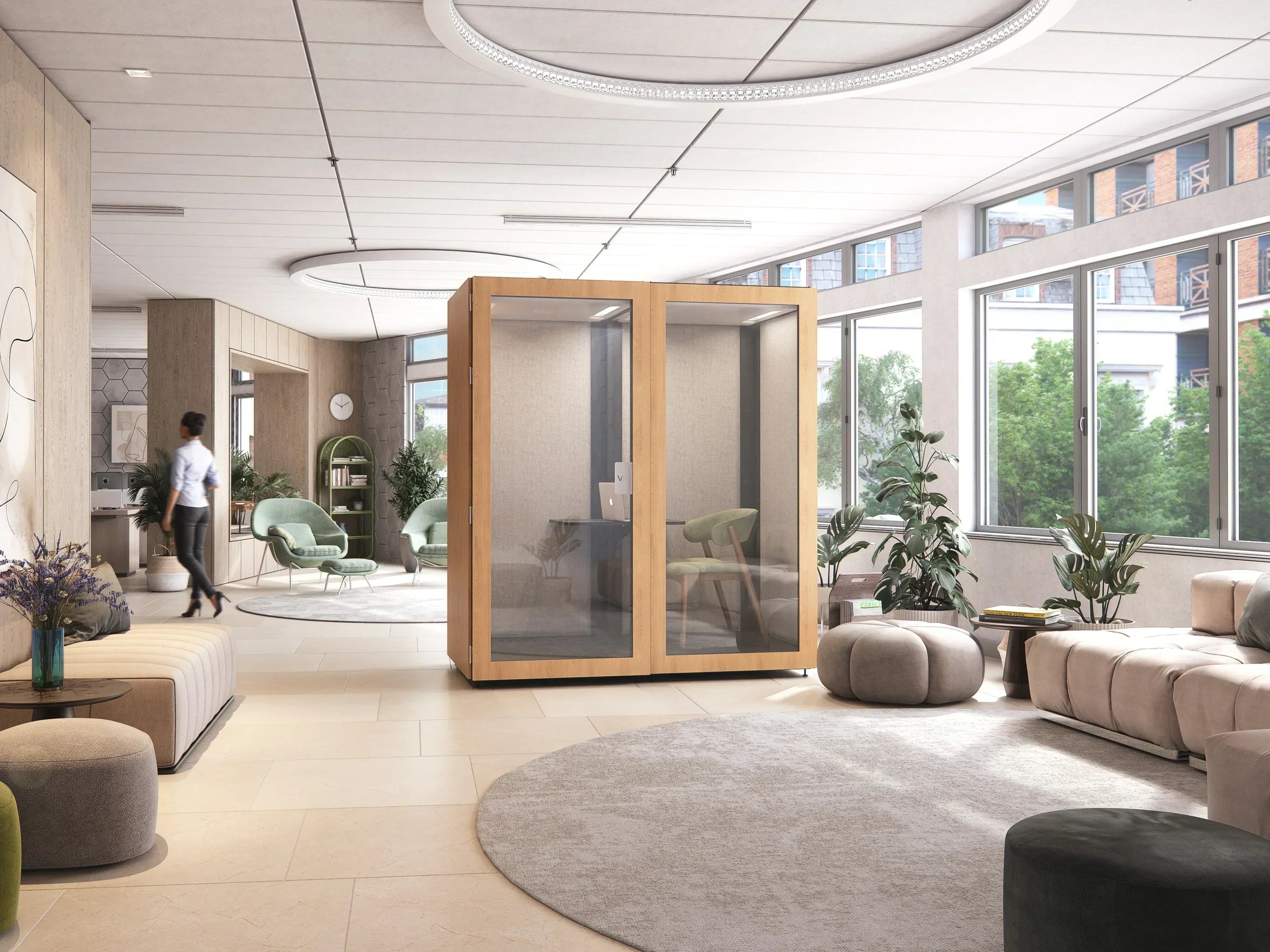
Open-plan offices were supposed to unlock collaboration. In reality, they often unlocked noise and with it, a measurable toll on focus, creativity, and employee wellbeing. The right acoustic solutions for open-plan offices are no longer a finishing touch; they are essential to creating a workspace that supports performance instead of draining it.
The Impact of Open-Plan Offices on Productivity
Open-plan offices can foster collaboration and flexibility, but the evidence shows that when they're poorly designed or acoustically untreated, the benefits erode quickly.
A large IPSOS study commissioned by Steelcase, covering more than 10,500 workers across Europe, North America, and Asia, found that open-plan layouts produced constant interruptions and concentration difficulties costing each employee an average of 86 minutes of productive time per day.
What workers often describe as "I can't think in here" isn't a motivation problem, it's an environmental one, and it affects creative work as much as analytical work. When the brain is forced to filter irrelevant sound, fewer cognitive resources remain available for sustained attention, problem solving, and divergent thinking. A 2022 study in Scientific Reports confirmed this experimentally: sound conditions directly influenced attention, creativity, and stress, with lower-noise environments consistently supporting better performance.
That's why having dedicated focus spaces, proper acoustic treatment, and zones designed for concentrated work isn't a luxury, it's what makes open-plan actually deliver on its promise. The goal isn't simply to make the space quieter or to add masking sound, but to create a controlled acoustic environment where distracting speech and excessive noise are reduced. When employees can choose between collaborative areas and quiet, acoustically controlled spaces, the office stops working against them and starts supporting how people actually get things done.

What Are Acoustic Solutions for Open-Plan Offices?
The term gets used loosely, so it is worth being specific. Effective office acoustic treatment usually combines three complementary strategies: absorption, blocking and masking. Absorption is the foundation. Soft, porous surfaces convert sound energy into heat, reducing reverberation time and preventing conversations from building up across the room. In untreated open-plan offices with hard floors, glass partitions and exposed ceilings, reverberation can easily become excessive, creating a washed-out sound field where speech remains audible for longer than it should.
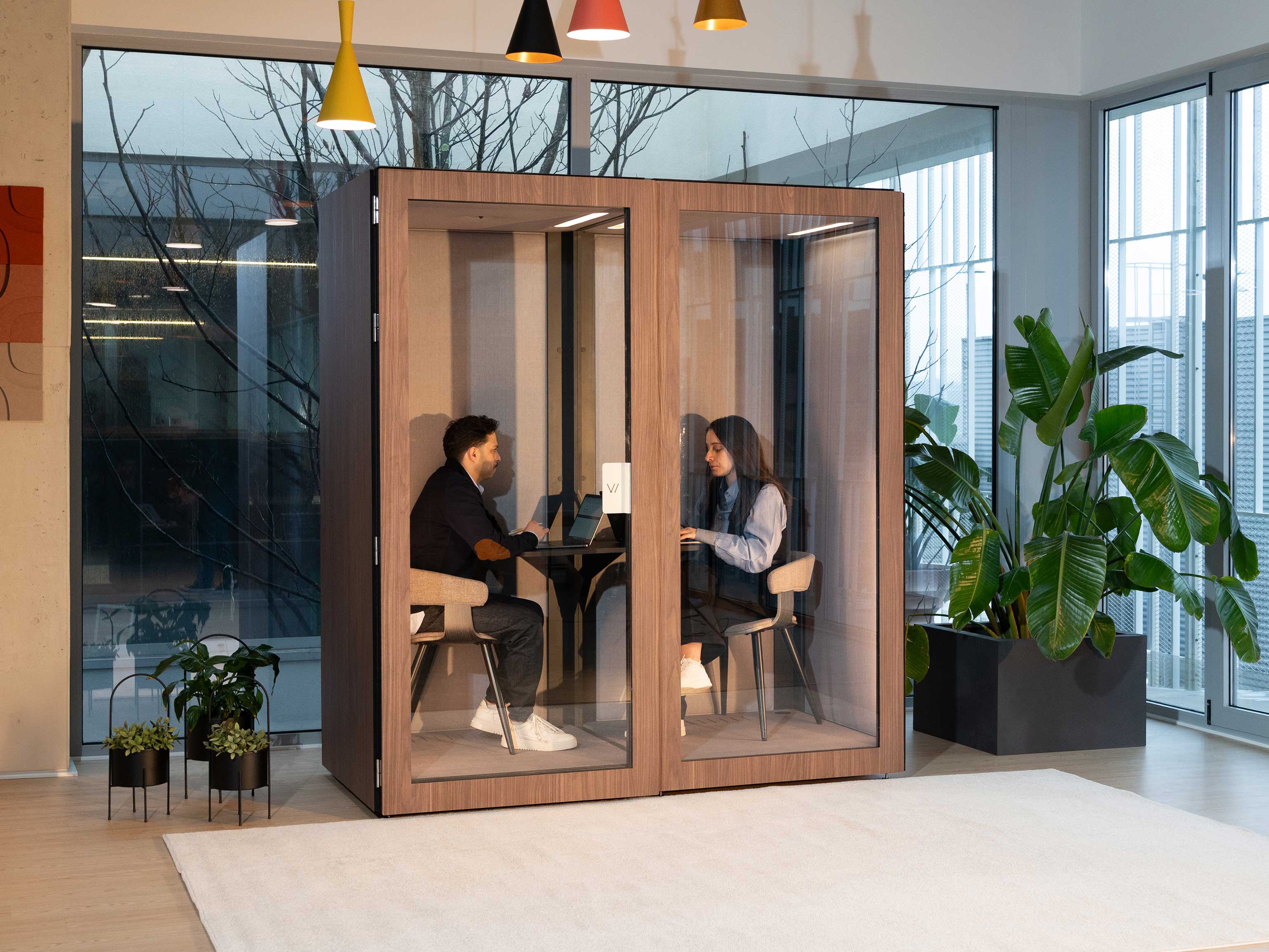
The second strategy is blocking. Partitions, dense barriers and enclosed booths help limit sound transmission between zones, supporting speech privacy and creating areas for concentration, calls and confidential conversations. The third is masking. A controlled background sound, whether from a dedicated sound masking system or carefully managed building services, can reduce the intelligibility of distant speech and make background conversations less distracting.
The WELL Building Standard provides a useful high-performance benchmark for open workspaces, setting a maximum RT60 of 0.5 seconds under its reverberation time feature. Like any acoustic guideline, this target should be interpreted in context, considering the room volume, occupancy, activity type and level of acoustic privacy required. The design principle remains the same: open-plan offices need sufficient absorption to prevent speech, footsteps and everyday activity from building up across the room.
How to Design Acoustic Solutions for Open-Plan Offices
A practical acoustic strategy usually starts with reverberation control on the largest reflective surfaces, especially ceilings and walls, before adding enclosed booths for calls, meetings and focused work where greater acoustic privacy is needed.
In many open-plan offices, the ceiling is the most effective starting point because it is often the largest uninterrupted surface and has a major influence on reverberation control. Suspended absorbers are particularly useful in spaces with exposed slabs or high volumes, as they introduce absorption without occupying wall or floor area. UniVicoustic Suspended Acoustic Panels, such as ViCloud, are designed for this type of application and are well suited to open-plan offices, atriums and other high-volume spaces.
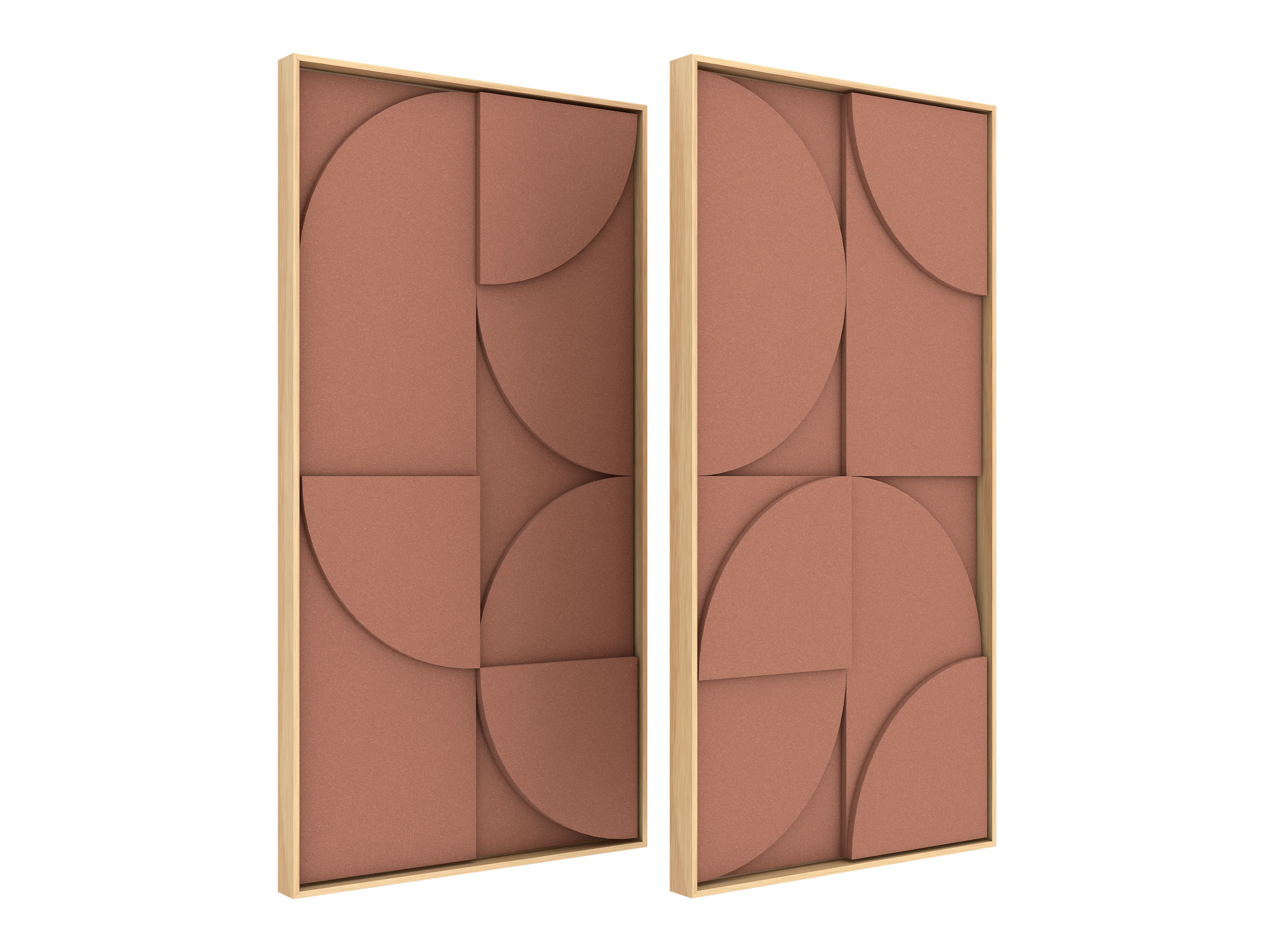
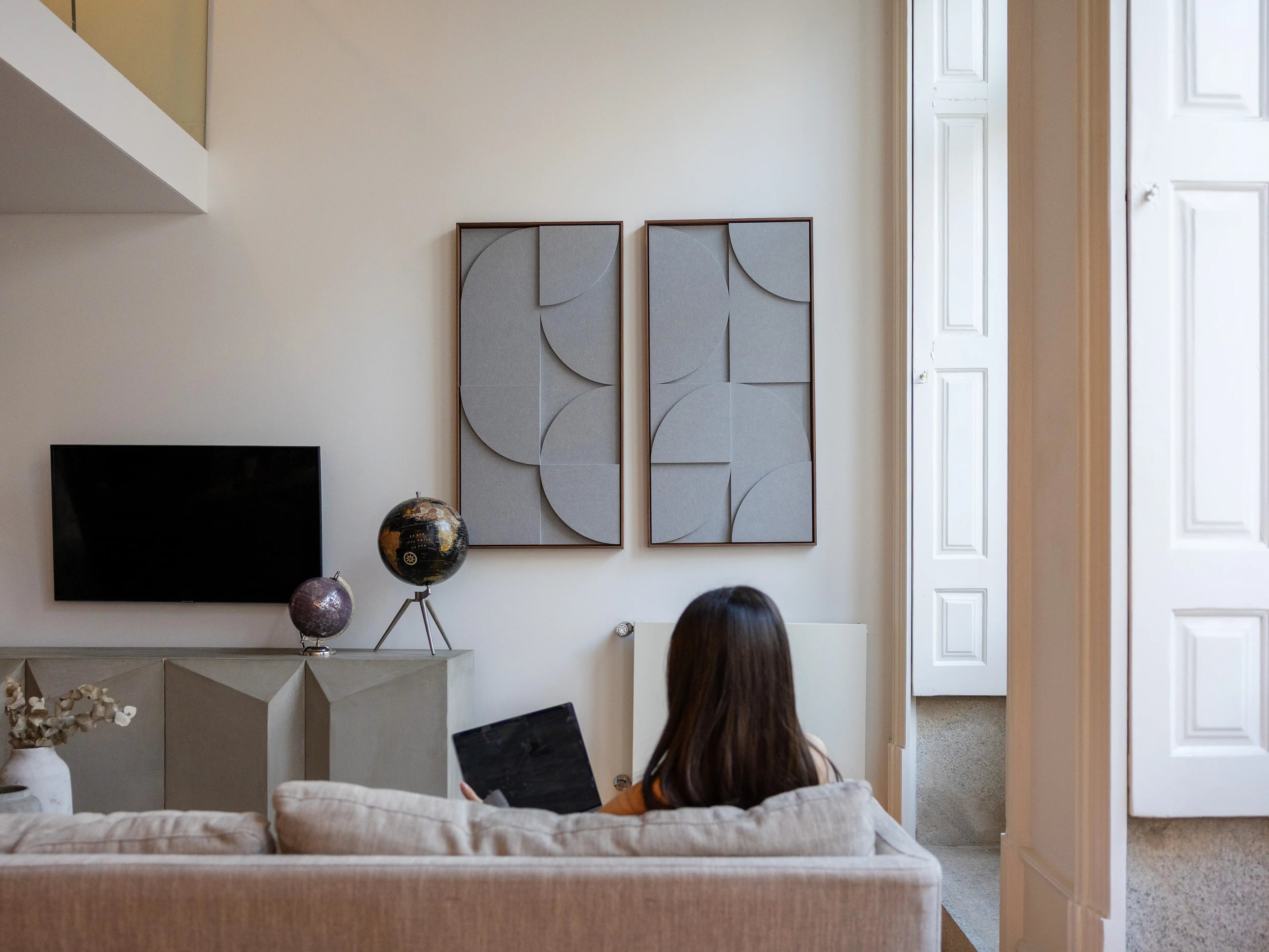
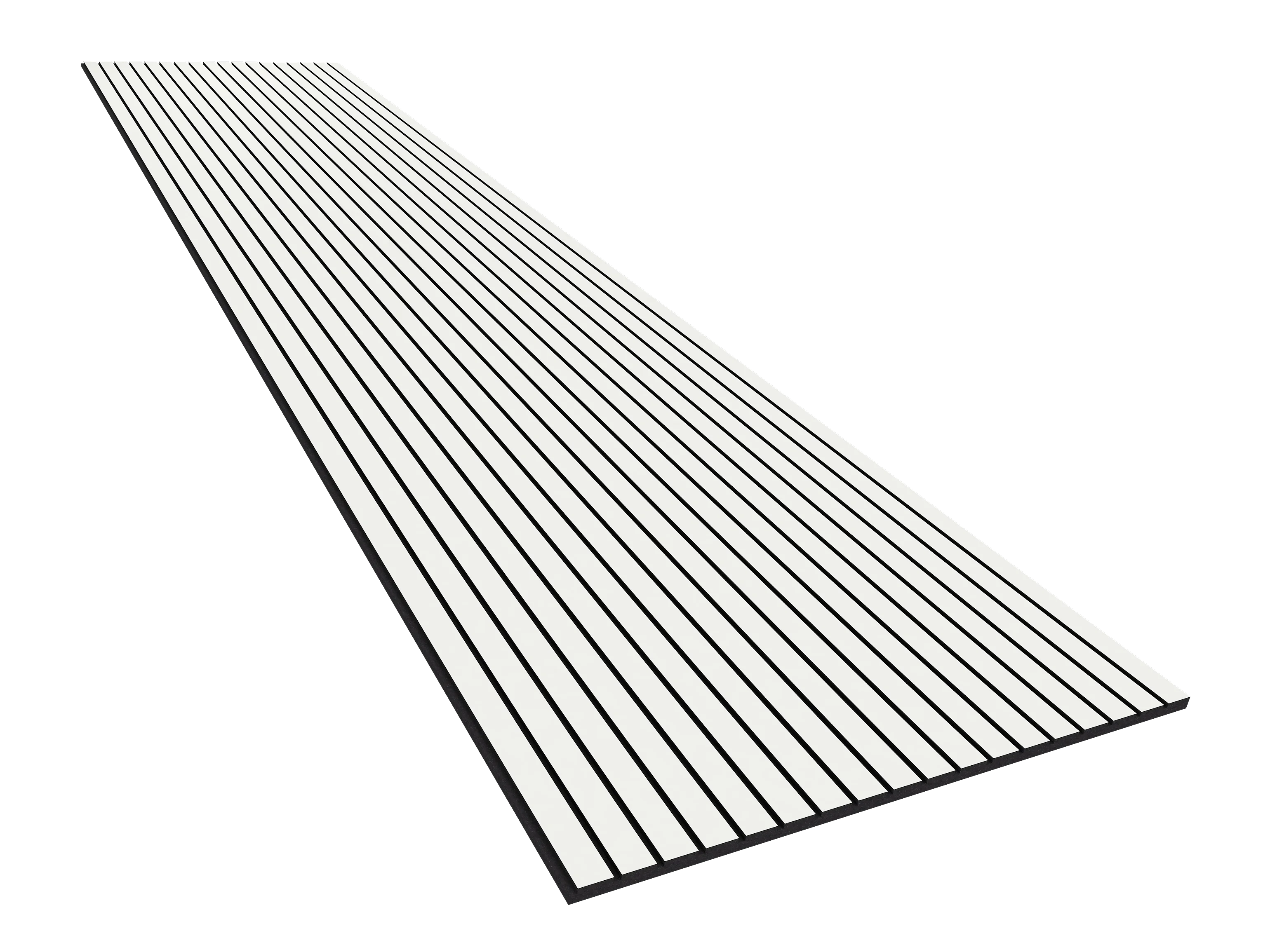
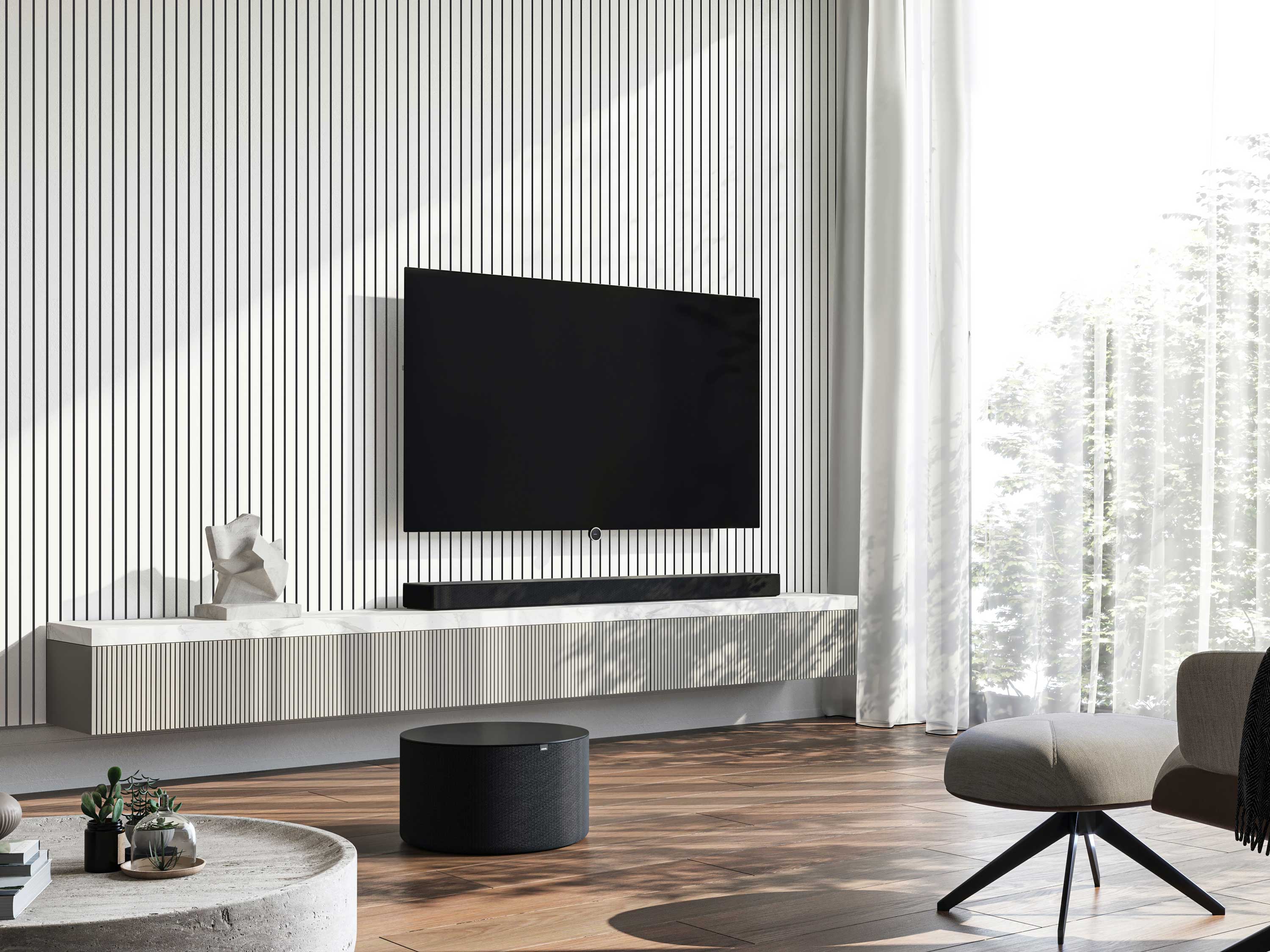
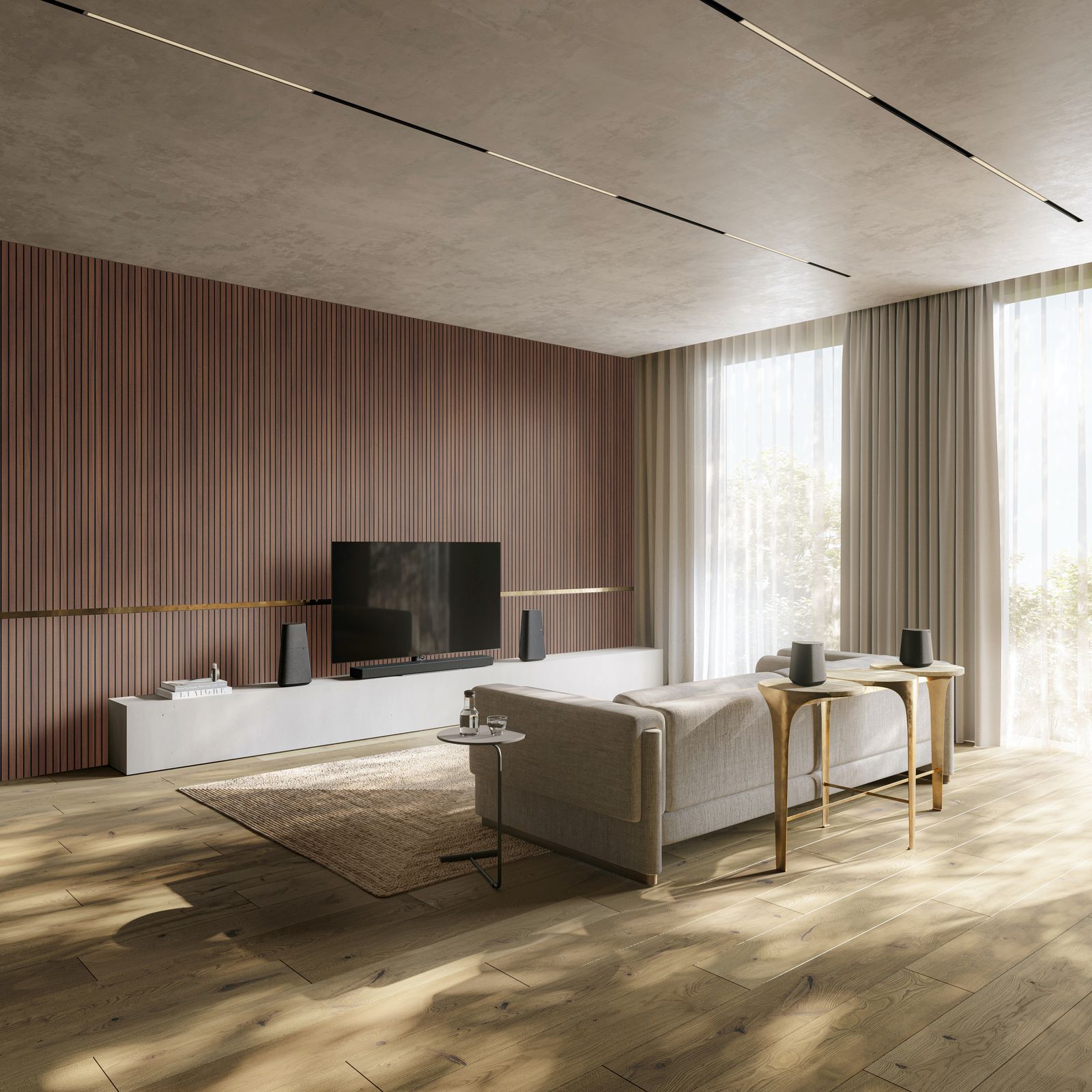
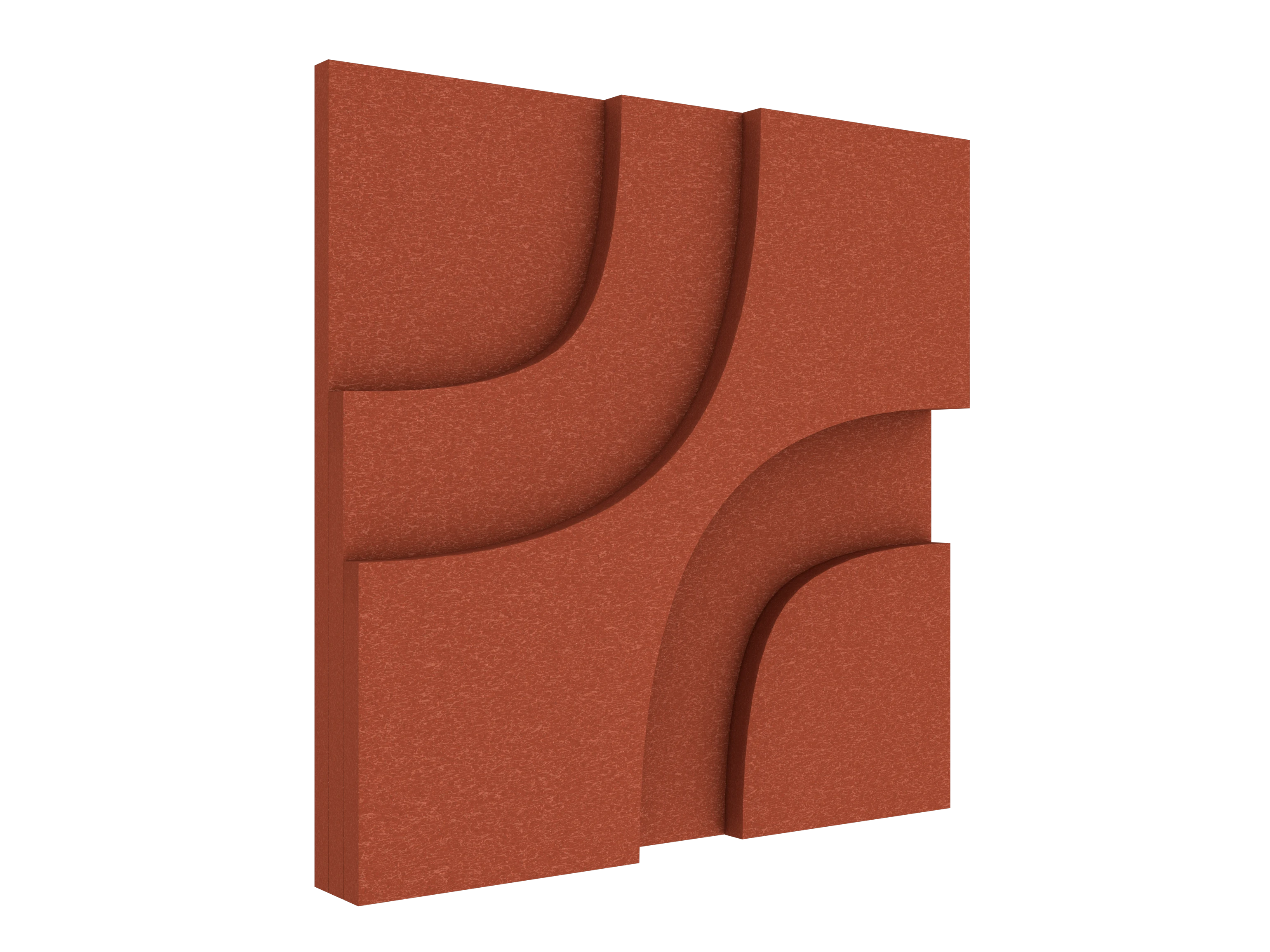
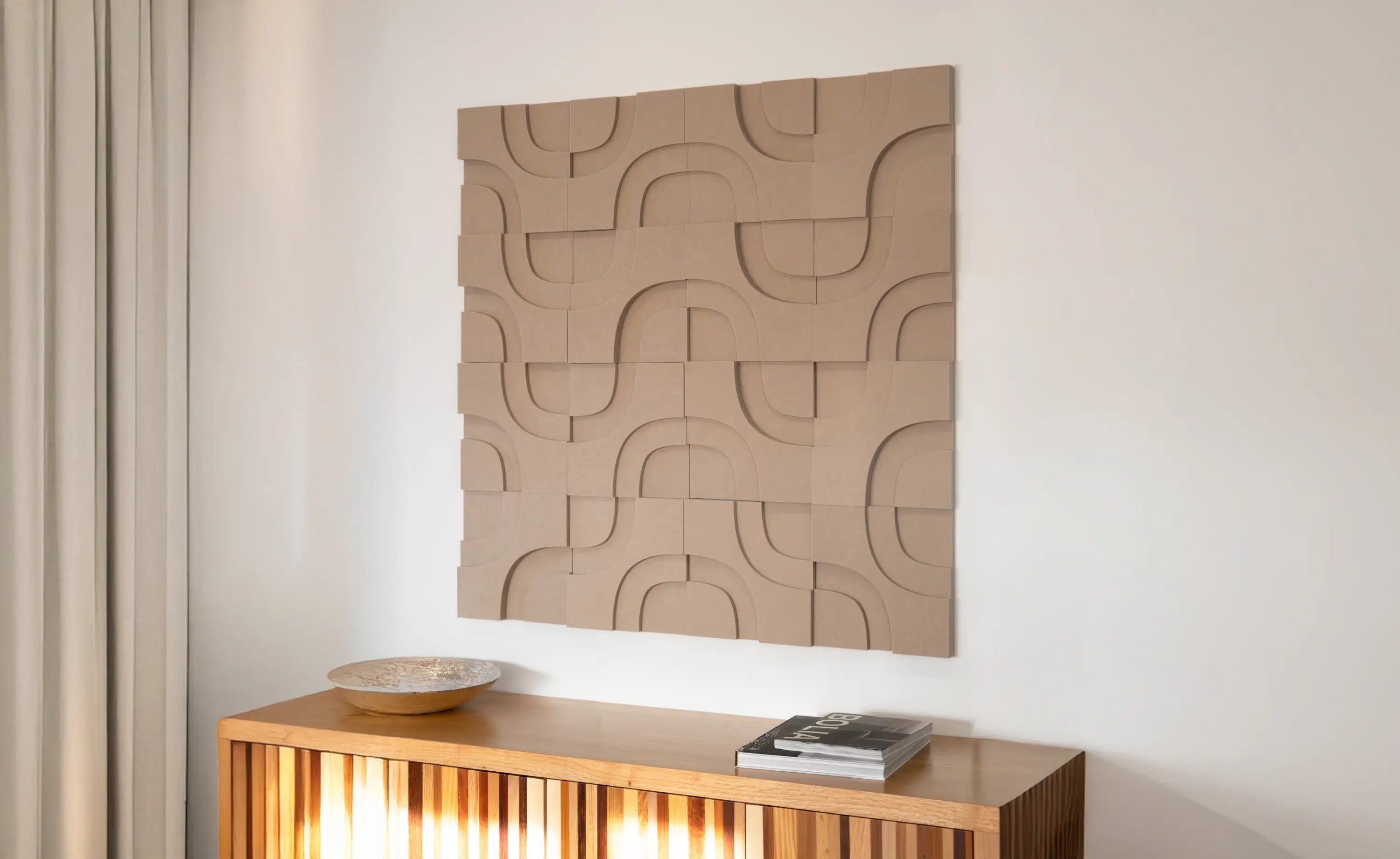
From the ceiling, the focus can move to the walls, where aesthetics and acoustics meet most directly. Targeted wall treatment on reflective surfaces, near conversation-heavy zones, opposite glazing or along long parallel walls, can help reduce excessive reflections and improve acoustic comfort. In open-plan offices, wall solutions should be selected according to both their acoustic contribution and their visual integration within the space. Products such as the Red Dot Award–winning VicShape 3D, Flat Panel VMT and VicTiles 3D MidMod can help achieve this balance, while more decorative elements such as VicStrip and VicStrip Lite can be used to complement the overall design where appropriate.

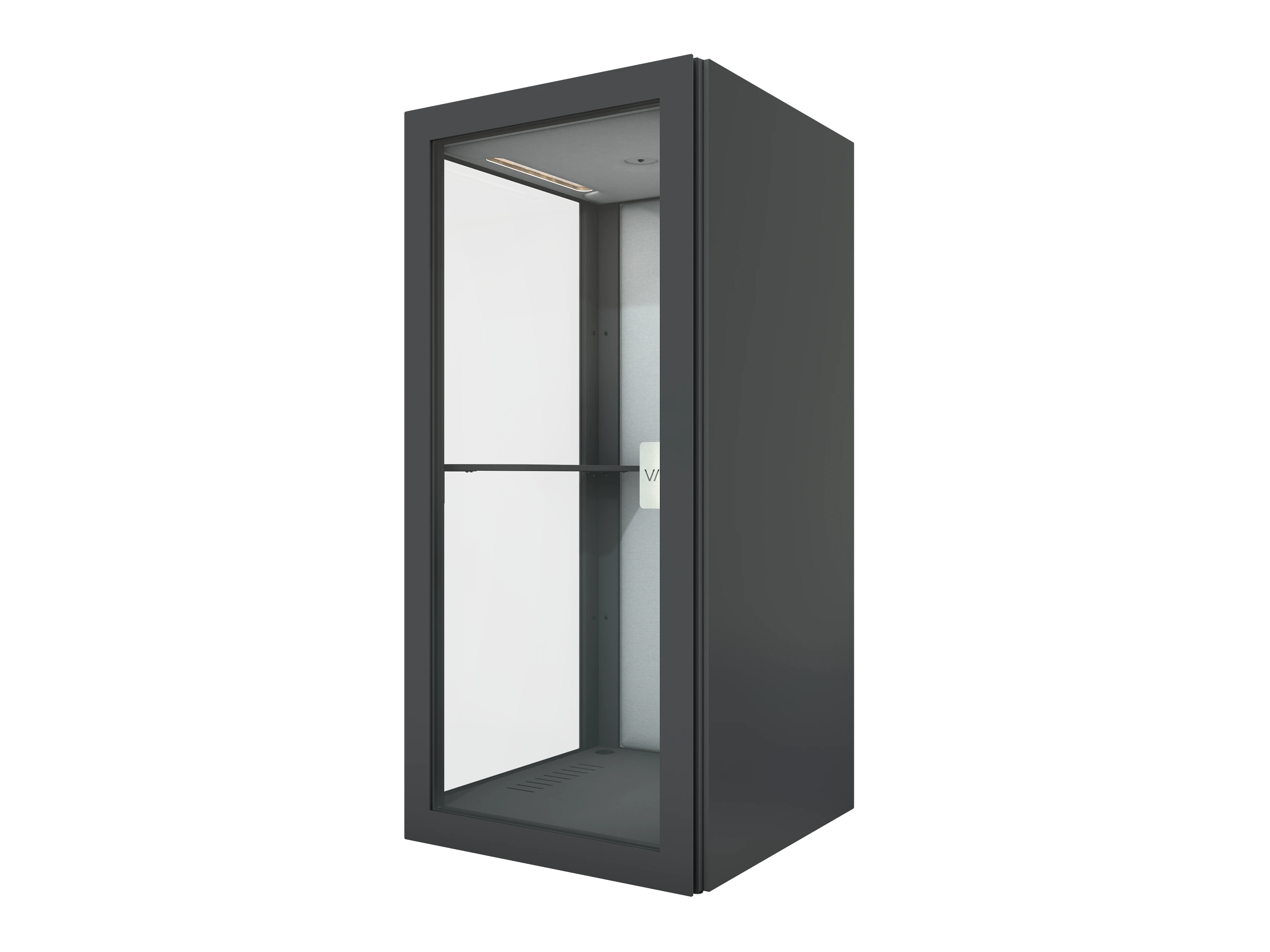
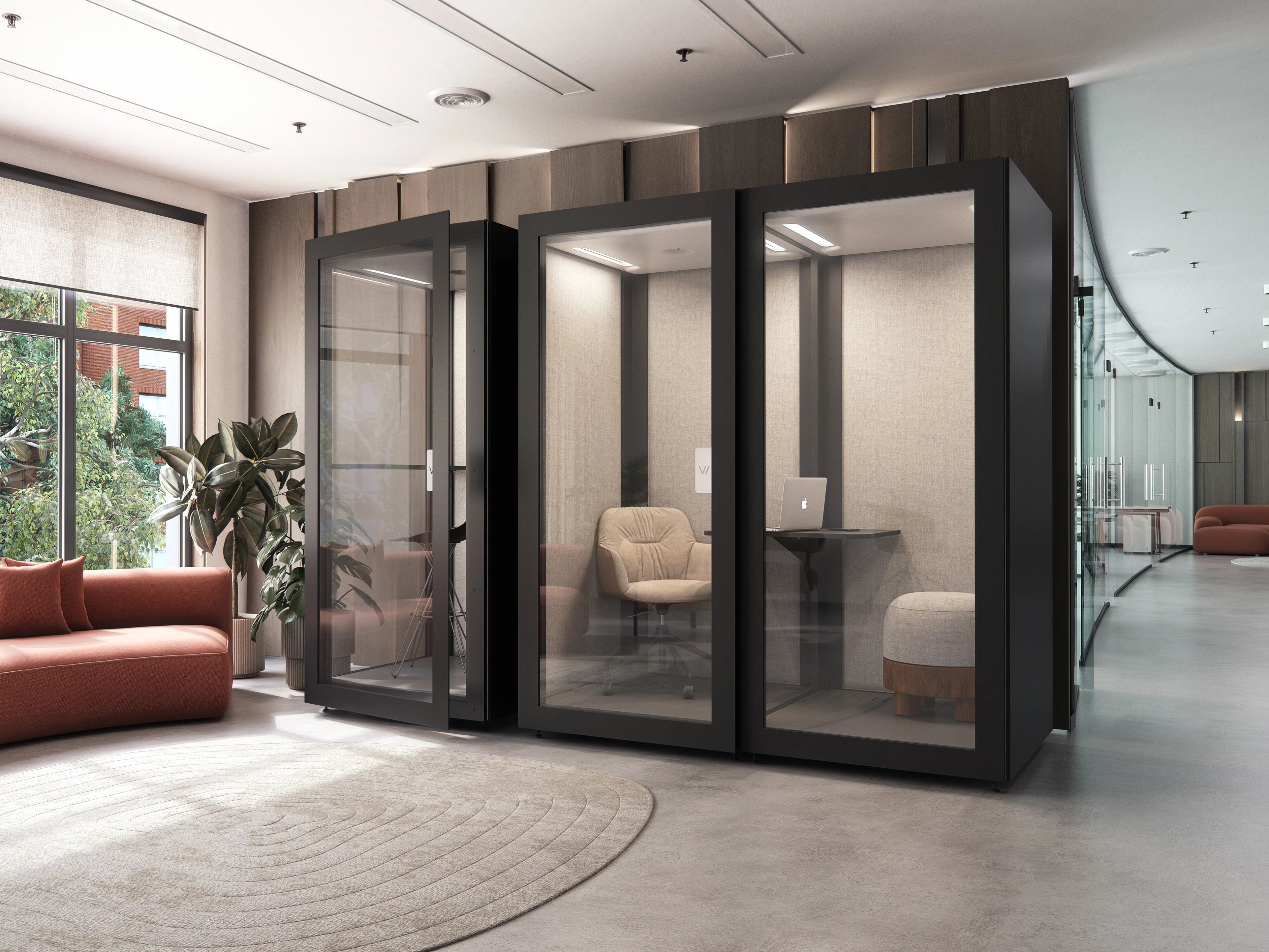
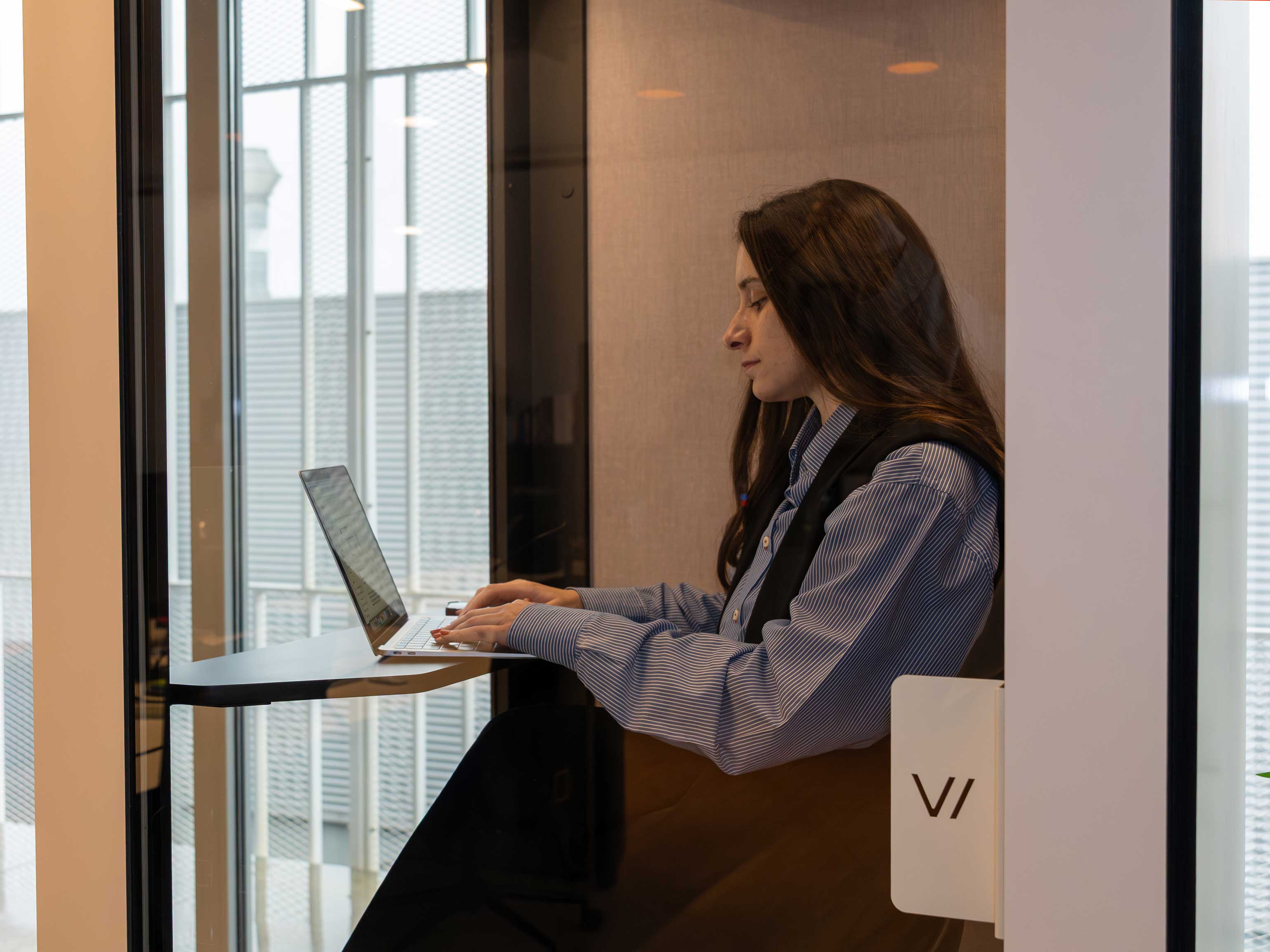
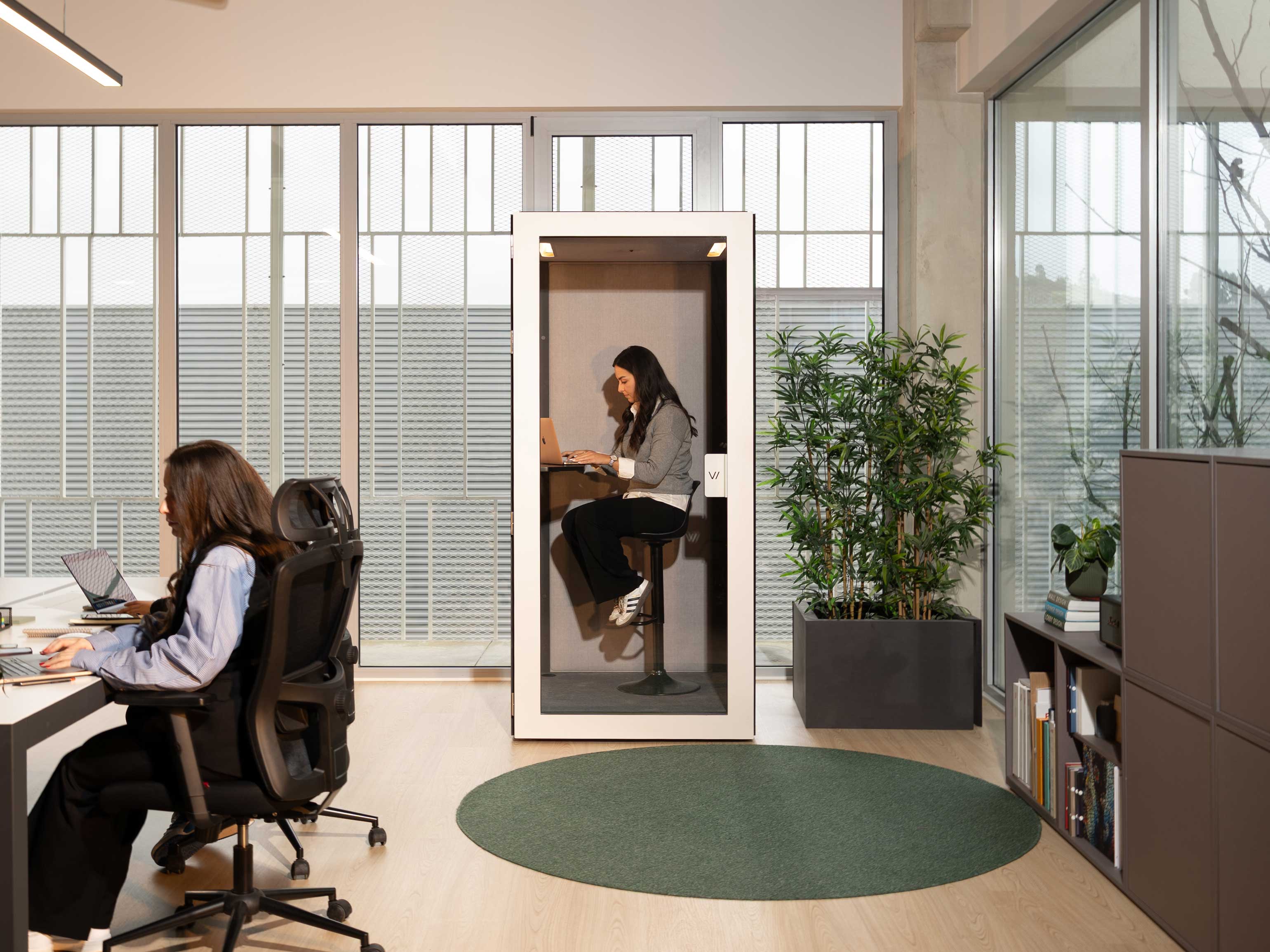
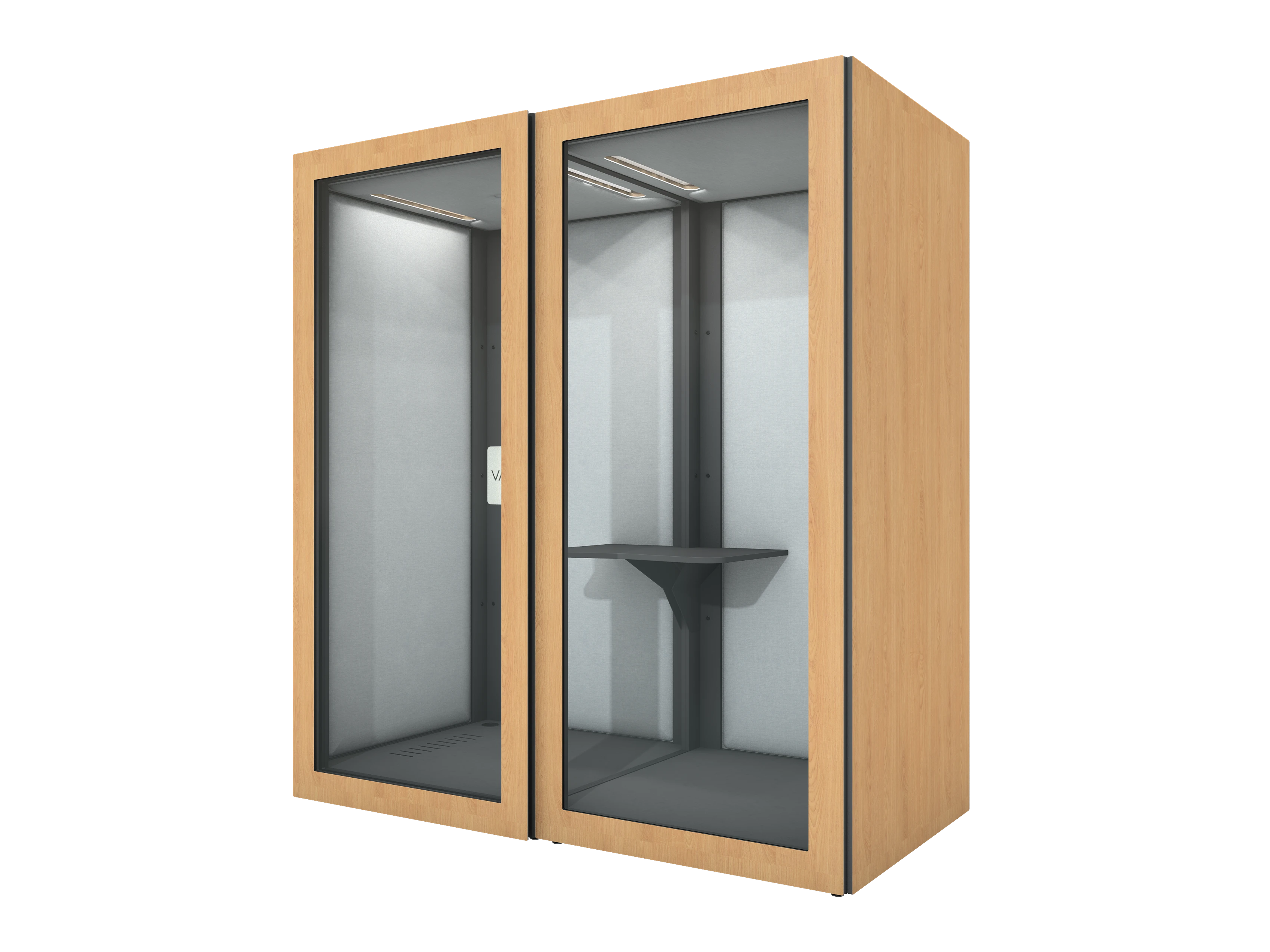
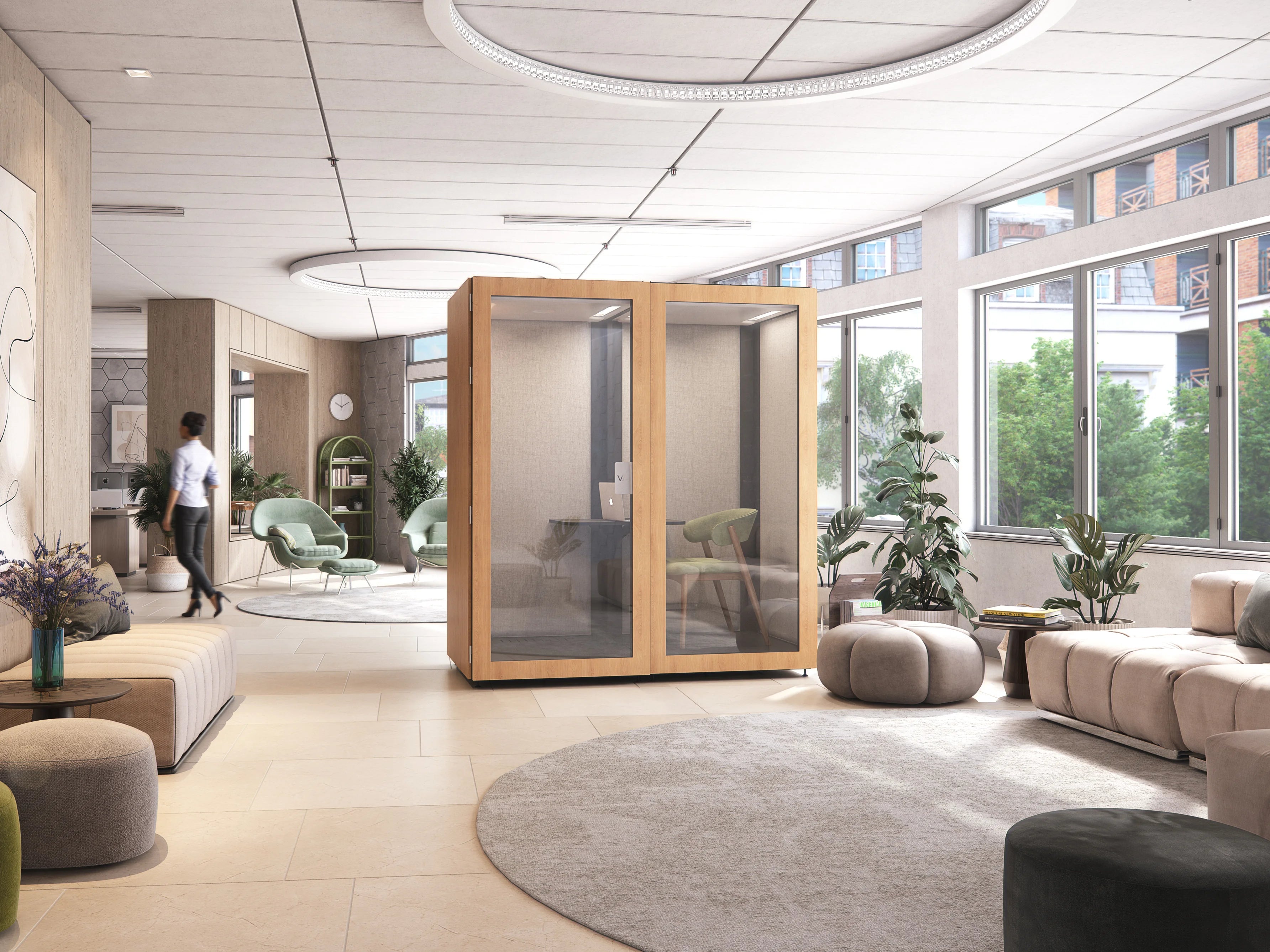
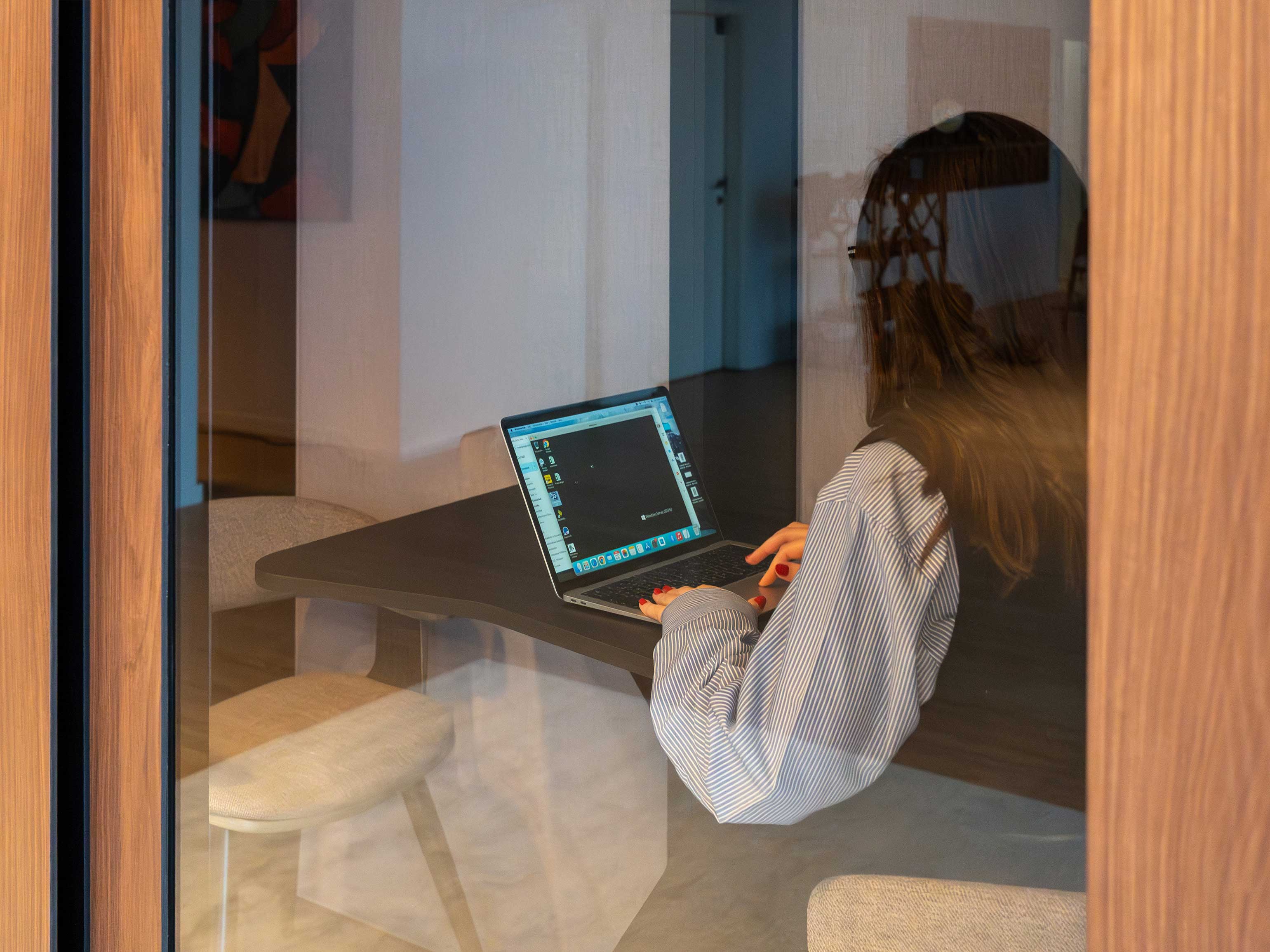
Absorption reduces reverberation, but it does not create full speech privacy. This is where open-plan layouts often need a final layer: enclosed space. For calls, one-to-one conversations, focused work and video meetings, a booth is often the most practical solution short of permanent construction. The latest-generation VicBooth Office Plus is modular and available in different sizes, allowing the same approach to support solo focus, private conversations and small-team meetings within the same workspace.

Starting an Office Acoustic Treatment Project
The symptoms are usually easy to recognise before any measurement is taken: employees wearing headphones to concentrate, video calls taken from corners, and conversations audible across the floor. When these issues appear together, a formal acoustic assessment can help translate everyday discomfort into a clear treatment strategy.
This is where it helps to work with people who deal with these challenges every day. UniVicoustic’s in-house project team, combining senior acoustic engineers and designers, prepares tailored projects for different types of spaces, from open-plan offices and meeting rooms to restaurants, auditoriums and studios. Projects can be requested directly with room dimensions and photos, and the team returns a proposal covering products, placement, and expected performance.
Open-plan offices are not inherently problematic. Open-plan offices without acoustic treatment are. The evidence is clear: untreated noise can reduce focus, affect creativity, increase stress and weaken the quality of workplace interaction, the exact outcomes open-plan design was meant to improve. Office acoustic treatment helps close that gap. Done well, it becomes part of the space itself, visible in the design but felt most clearly in the outcomes: people thinking more clearly, working more calmly and using the workplace with greater comfort.
Frequently Asked Questions
What are the best acoustic solutions for open-plan offices?
The best acoustic solutions for open-plan offices usually combine sound absorption, strategic space planning and enclosed areas for calls or focused work. Acoustic panels, suspended ceiling elements and acoustic office booths can all play a role, depending on the size, layout and use of the workspace.
How can companies reduce office noise in open-plan workspaces?
Companies can reduce office noise by controlling reverberation, limiting sound transmission between zones and creating dedicated areas for calls, meetings and focused work. In most projects, this means combining acoustic treatment with practical layout decisions.
Are acoustic panels for offices enough to solve noise problems?
Acoustic panels for offices are effective for reducing reverberation and improving acoustic comfort, but they do not create full speech privacy on their own. For confidential calls, video meetings or focused work, they are often combined with acoustic booths or enclosed spaces.
When should an office use an acoustic booth or office pod?
An acoustic booth or office pod is useful when employees need a private place for calls, online meetings, one-to-one conversations or concentrated work. It is especially relevant in open-plan offices where permanent construction is not practical.
What is the difference between acoustic treatment and soundproofing an office?
Acoustic treatment improves the sound quality inside a space by reducing reverberation and excessive reflections. Soundproofing an office is more focused on limiting sound transmission between spaces. In open-plan offices, both concepts may be relevant, but they solve different problems.












Share:
UniVicoustic Featured in HiFi Blog: Planning Room Acoustics Properly
UniVicoustic at High End Vienna 2026: New Acoustic Solutions for Critical Listening