

Sound problems build up wherever hard surfaces dominate: concrete floors, glass walls, bare ceilings, sparse furniture. Sound bounces between them and lingers in the room instead of dying away, and that lingering is enough to make conversation exhausting and music muddy. The good news is that fixing it doesn't require a full renovation. Acoustic panels absorb a significant portion of the sound energy reaching the wall, reducing the strength of reflections, and today's options are good enough that the panel itself becomes a design decision rather than a compromise.
Before looking at solutions, it is worth being precise about what you are actually hearing.
Echo or Reverberation? What You're Actually Hearing
Most people describe a harsh-sounding room as "echoey", but in acoustics the two phenomena are distinct.
Echo is a distinct sound reflection that arrives sufficiently later than the direct sound to be perceived as a separate repetition. For speech, this typically occurs when the delay exceeds about 50 milliseconds, although the exact threshold depends on the sound, the relative level of the reflection, and the listening conditions. It needs distance to develop, which is why you hear true echoes in churches, gyms, atriums, and large halls. A specific variant, flutter echo, occurs between hard parallel walls even in smaller rooms, producing a rapid metallic "zing" after a clap. (We cover it in detail in our article on flutter echo.)
Reverberation is what happens in most homes, offices, and restaurants: thousands of reflections arriving so quickly that they blur into a continuous tail of sound. The room does not repeat what you said: it smears it. Speech loses clarity, background noise builds, and everyone raises their voice to compensate.
The distinction matters for diagnosis, but the treatment is largely the same: introduce absorptive surfaces on walls or ceilings to reduce the energy of reflections. Every solution below helps reduce reverberation, and several also interrupt the repeated reflections between parallel surfaces that cause flutter echo.
Here are six solutions that work.
1. Slatted Panels: A Trend in Design and Acoustic Efficiency

VicStrip slatted panels are one of the most popular elements in contemporary interior design, and they contribute acoustically as well. Made from wood-free Laminated VicPET Wool, they are lighter, more moisture-resistant, and more sustainable than traditional MDF slat panels, while delivering the same warm, textured look that has made slatted walls a dominant trend in residential and commercial spaces.
/ Where to apply: On large walls in living rooms, dining areas, and home offices, particularly effective as a TV feature wall or behind a sofa. Also an increasingly popular choice for open-plan offices and hospitality spaces where acoustic slat panels serve double duty as a design statement.
/ Acoustic benefit: Absorb mid and high frequencies, helping to reduce reverberation in that range and tame flutter echo between hard parallel walls. For wider-band acoustic control, VicStrip is best combined with deeper absorbers or dedicated low-frequency treatment.
/ Pro tip: Combine VicStrip with recessed lighting for a modern, cozy effect. The slats cast subtle shadow lines that shift through the day, adding depth to any wall without additional décor.
VicStrip Lite brings the same aesthetic at a more accessible price point, made entirely from PET HD, fully fire-rated (B-s1,d0), and available in a fresh palette of Coral Haze, Glacier, Pearl, Marmalade, Gleam, and Black. You can see VicStrip Lite in action in a real commercial installation at the La Marzocco store during Fuorisalone 2026 in Milan.
For a deeper look at what makes VicStrip technically different from common slat panels on the market, read VicStrip: Innovating Acoustic Panels with Style and Function.
2. Geometric Acoustic Panels: Modern, Functional, and Customizable

VicShape 3D turns acoustic treatment into wall art. Each panel is built from three layers of PET HD sound-absorbing material, housed in a premium Natural Oak or Natural Walnut veneer frame, the result is a sculptural relief that absorbs sound energy while functioning as a framed piece on the wall. It was awarded the Red Dot Product Design Award 2025 for its innovative geometry, sustainable material composition, and integration into contemporary interiors.
/ Where to apply: On partition walls, near dining areas, and anywhere a single panel can function as decorative acoustic wall art. Ideal for spaces where 3D acoustic panels need to perform without compromising the interior design brief.
/ Acoustic benefit: Absorb mid and high frequencies, helping to control excess reverberation and improve speech intelligibility, while the sculptural relief reduces strong specular reflections from flat walls.
/ Pro tip: Mix VicShape 3D Single and Duo for varied relief depth on the same wall. As modular geometric acoustic panels, they allow customized layouts to fit any interior style, from minimalist to contemporary. Different finishes - Glacier, Coral Haze, Pearl, Gleam and Mirage allow the panel to lead or recede depending on the palette.
To learn more about the design thinking behind VicShape 3D and what the Red Dot jury recognized, read Elevate Your Space with Red Dot Product Design Award-Winning VicShape 3D.
3. Custom Acoustic Panels: Tailored Aesthetics and Comfort

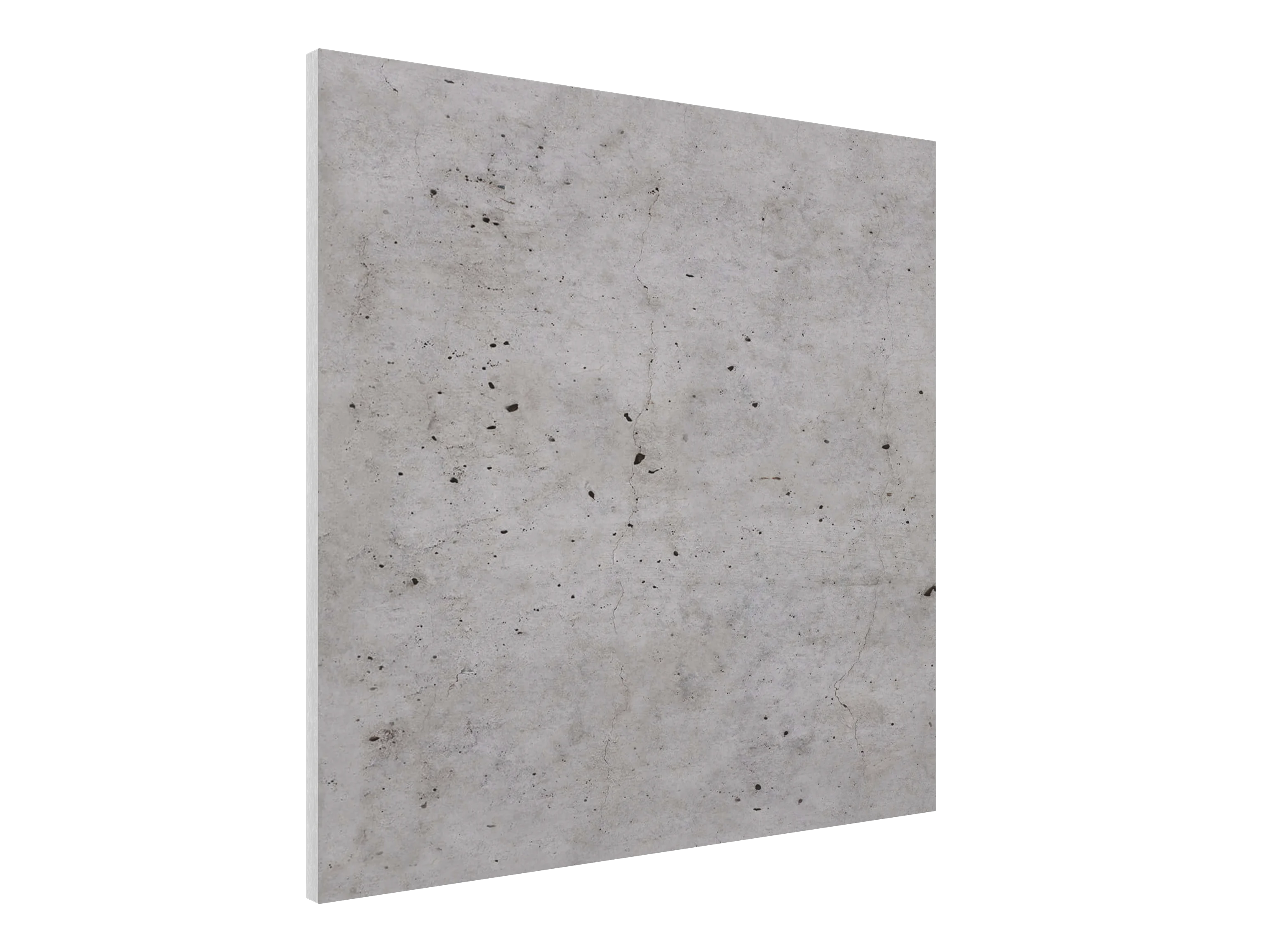
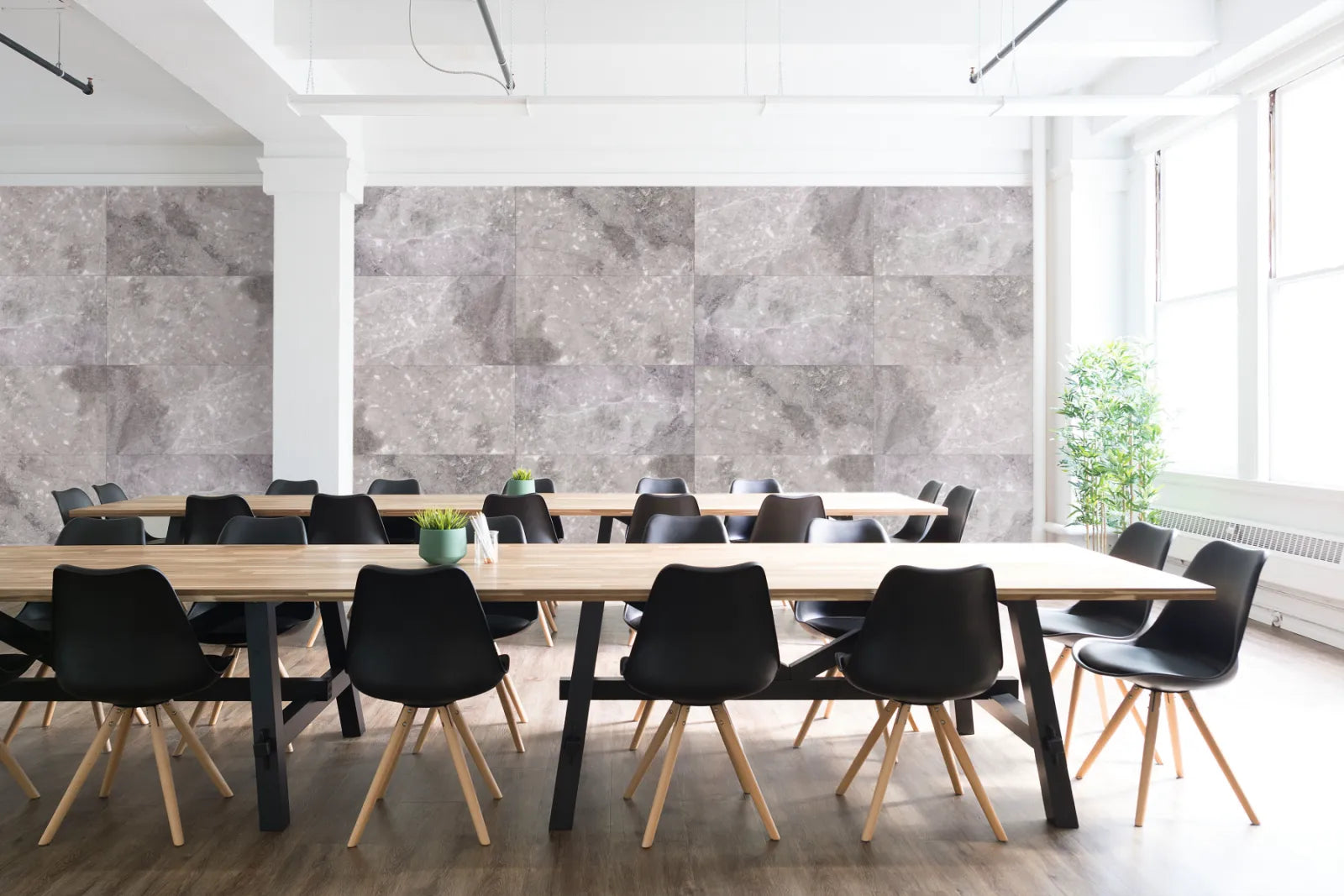
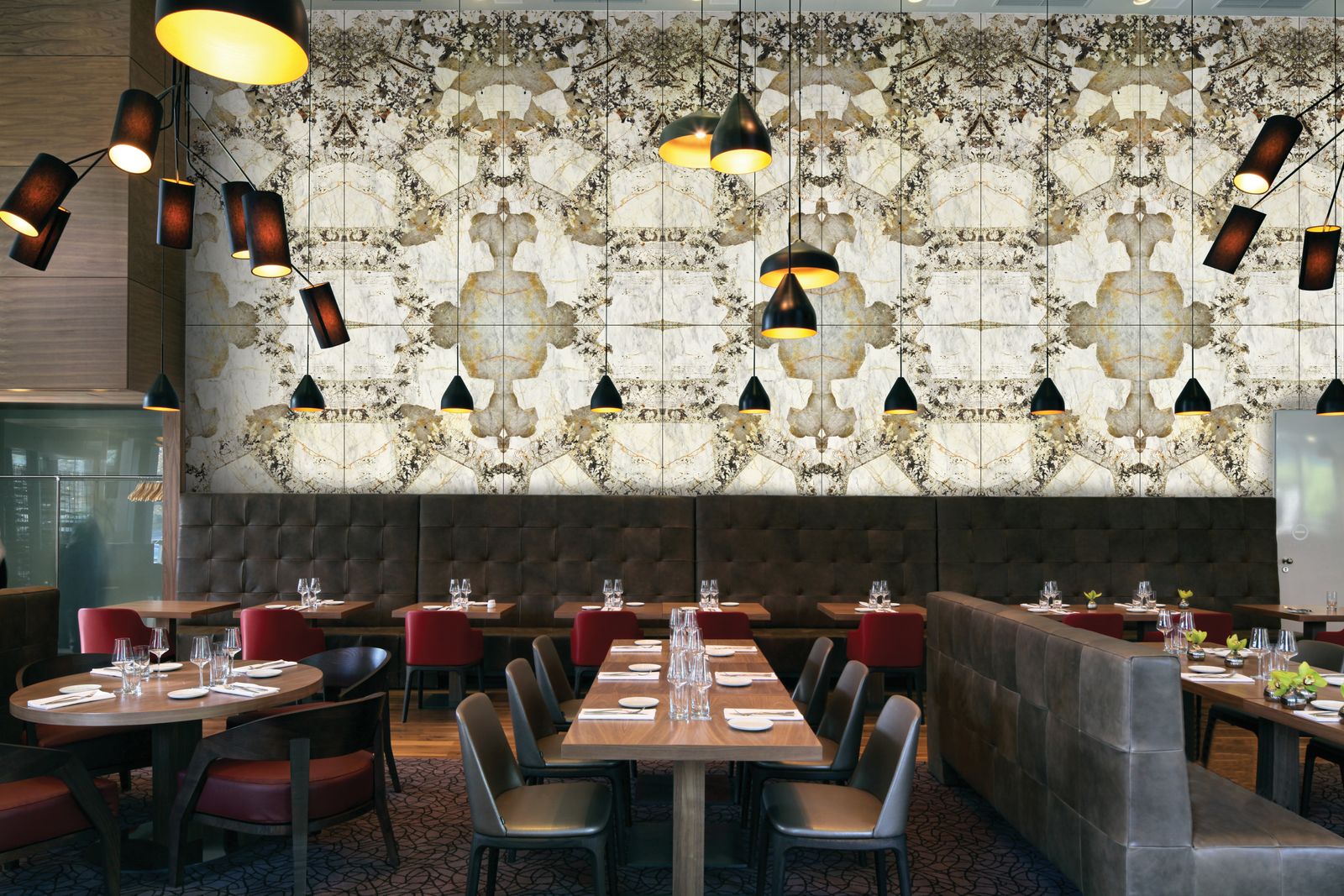
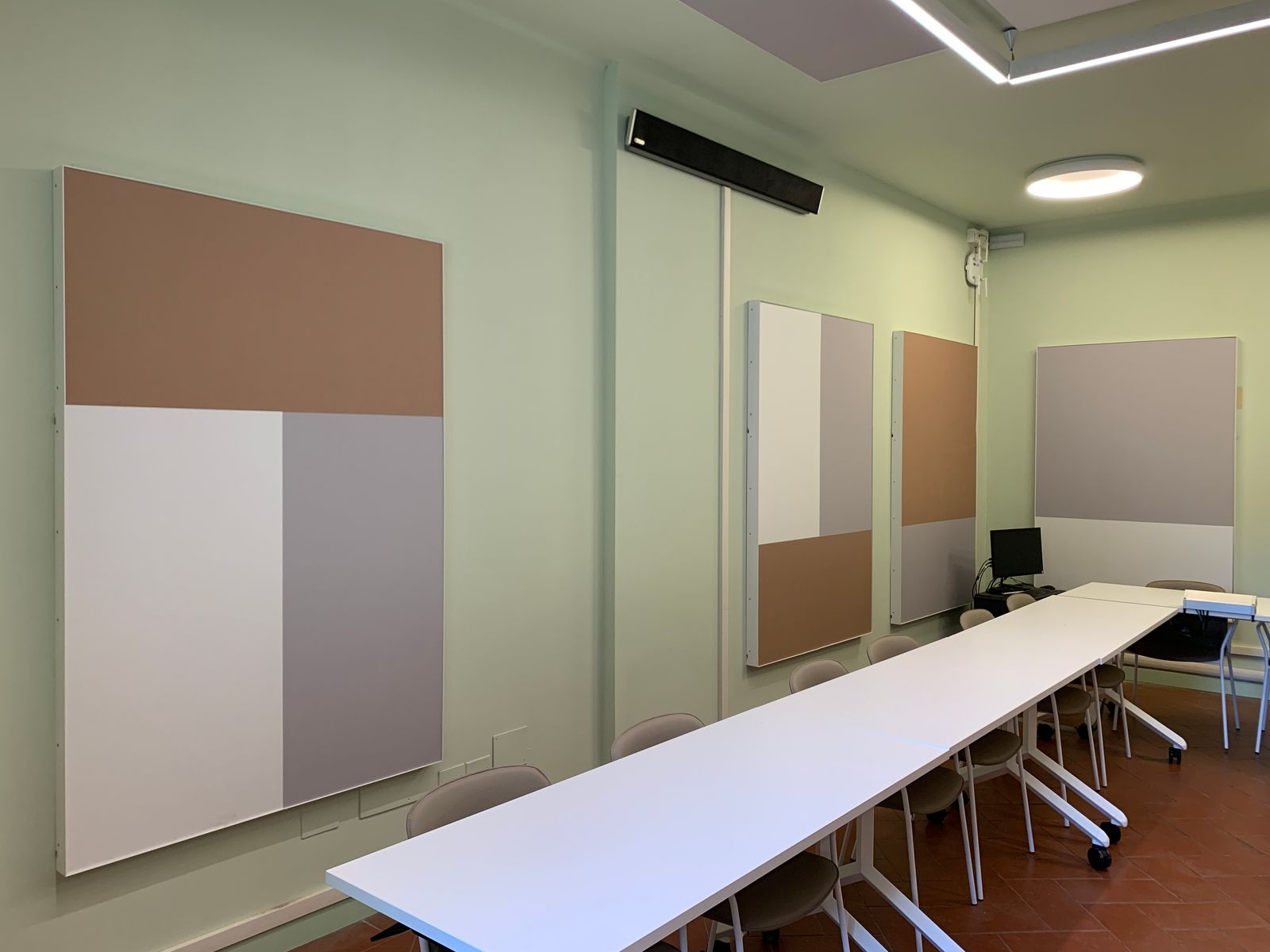
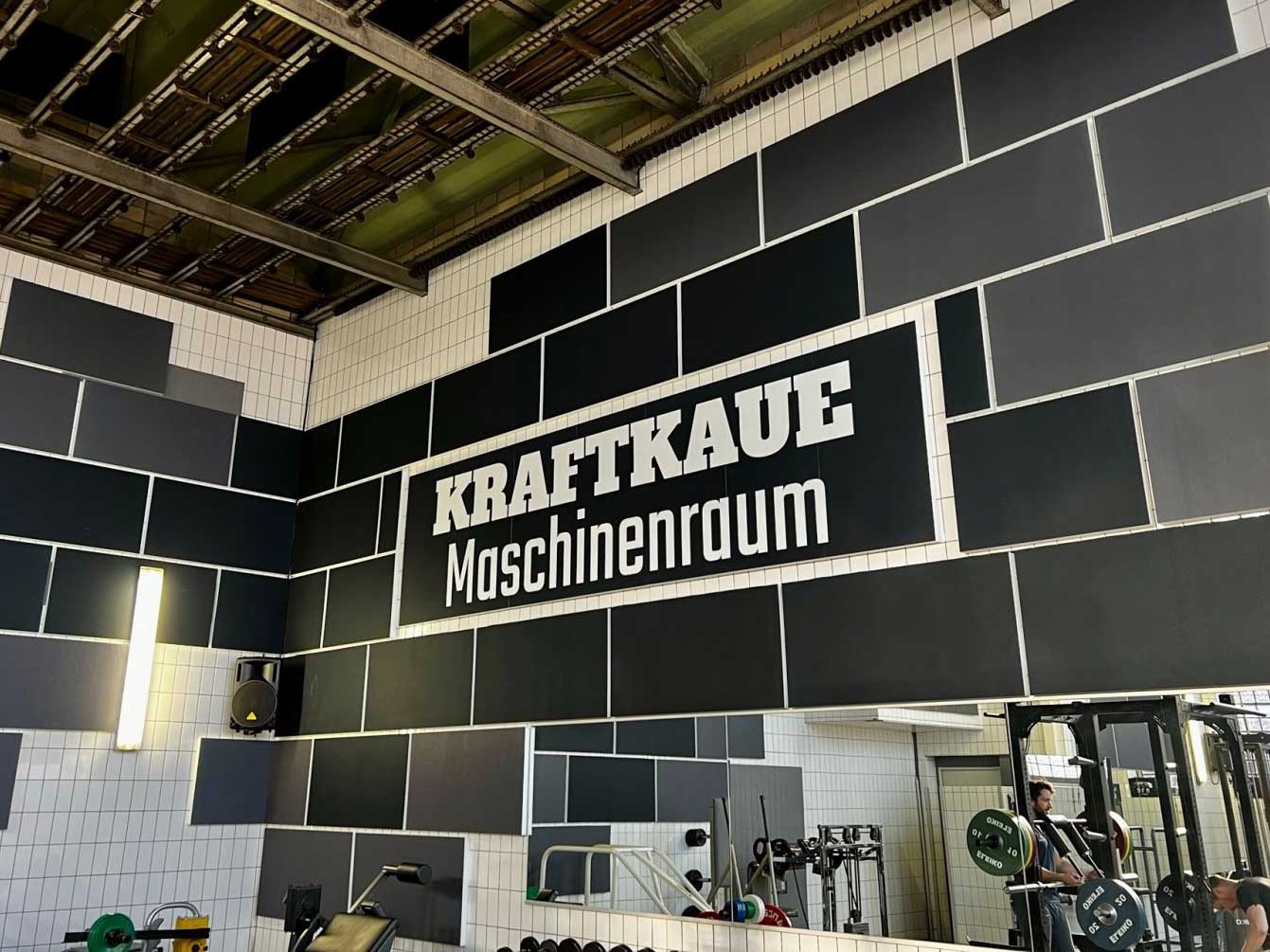
GEN_VMT panels are the right answer when acoustic treatment has to match a specific visual identity. Built as modular tiles that connect into regular or irregular grids, they let you compose a pattern rather than repeat one, using colour and relief to build surfaces that look like premium finishes while contributing to sound absorption. They work equally well on walls and ceilings, adapting to industrial, minimalist, or contemporary interiors without ever looking like acoustic treatment.
/ Where to apply: On ceilings or large wall surfaces where broad coverage is possible, and equally suited to smaller spaces where a composed pattern is part of the design intent. A good fit for offices, conference rooms, and commercial spaces.
/ Acoustic benefit: Contribute to a more comfortable acoustic environment across large surfaces, absorbing mid and high frequencies. Because absorption per panel is moderate, GEN_VMT works best when applied over wide areas or combined with higher-performance absorbers where more control is needed.
/ Pro tip: Combine the two tile modules and different colours within the same collection to generate your own pattern, from regular grids to irregular compositions. The same set can read very differently depending on how it is arranged.
See GEN_VMT working at scale in a real corporate environment: Generative Acoustics at LAUDA Offices.
4. Modular Panels: Small Details, Big Aesthetic Impact

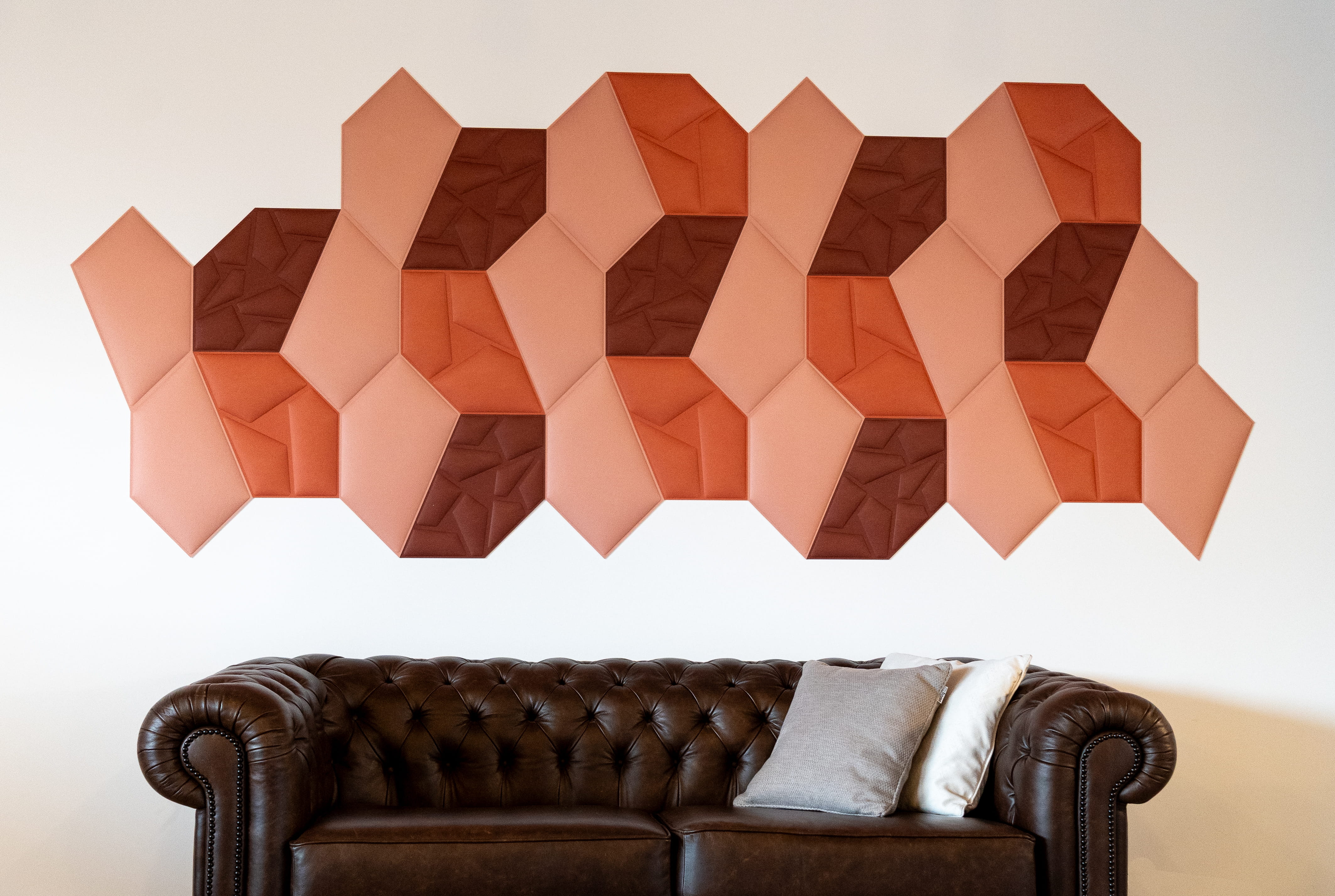
Vixagon VMT are hexagonal modular tiles made from recycled VicPET Wool. Their geometry allows for genuinely flexible wall compositions - standard honeycomb grids, offset patterns, organic clusters, or mixed-colour gradients, without requiring any custom fabrication. Each tile is self-contained and easy to install, so compositions can be extended or reconfigured over time.
/ Where to apply: In strategic areas such as side walls, above furniture, accent ceilings, and feature wall in restaurants, offices, and residential spaces. Hexagonal acoustic panels have become an increasingly popular format in interior acoustic design.
/ Acoustic benefit: Absorb mid and high frequencies, helping to reduce reverberation and improve speech clarity for a more comfortable and balanced acoustic environment. Particularly effective in open-plan offices and hospitality spaces where coverage needs to be distributed across the walls or ceilings.
/ Pro tip: Create patterns with the different colours given and create an eye-catching modular wall look. Their discreet, elegant design allows them to integrate seamlessly into any décor, adding both aesthetic and functional value. The Venice, Mediterranean, and Moon collections work well as tonal compositions.
For a real-world example of Vixagon VMT in a professional acoustic installation, see the Prase Training Room.
5. Fabric-Texture Panels: Acoustic Performance with a Tactile Finish

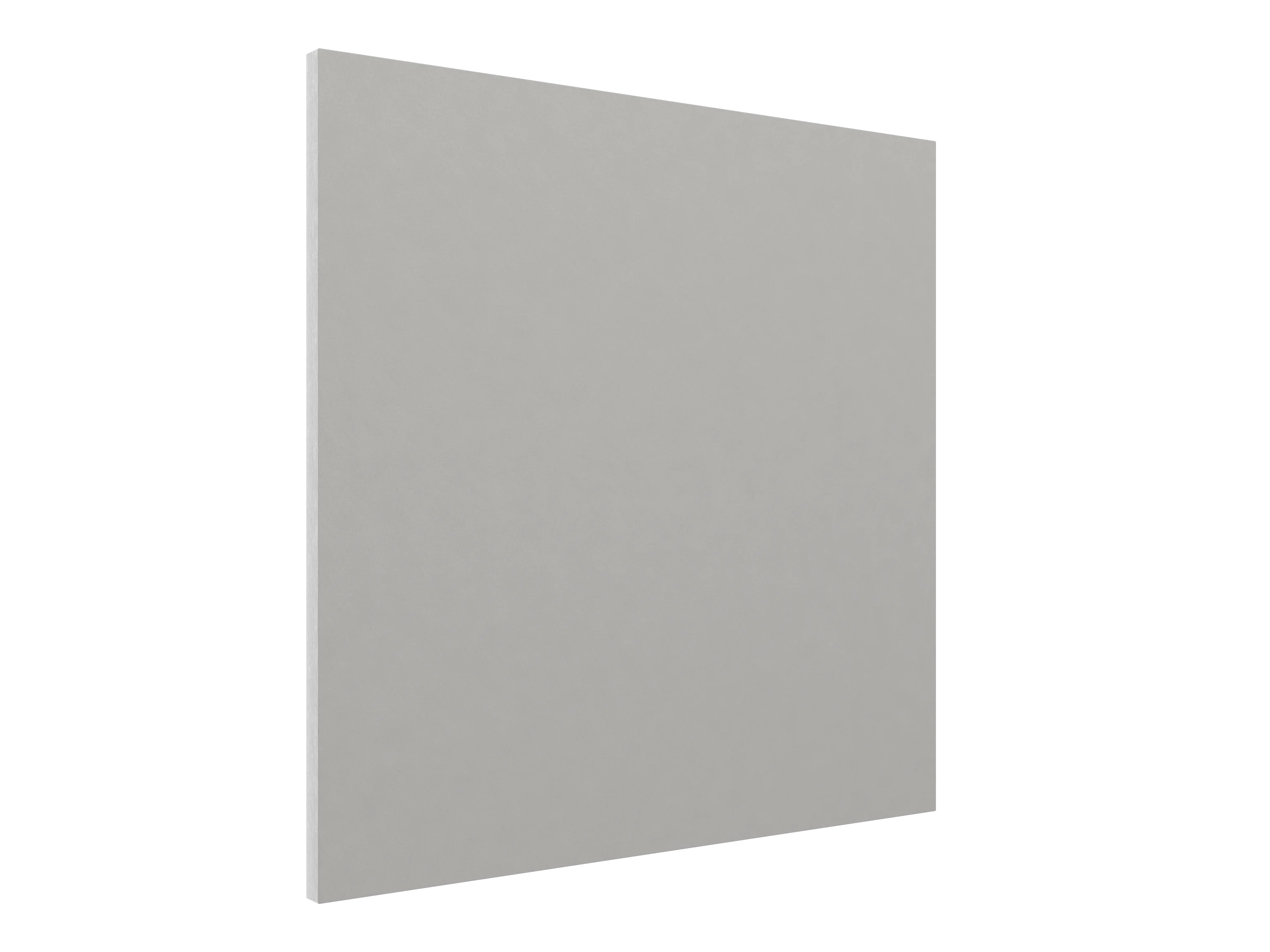
Brixton is the panel for spaces where a fabric wall finish is the design intent, but where you also want acoustic performance. The surface texture is built directly into the material: there is no separate textile layer, no upholstery, and no seam, just a single continuous wall absorber with the look and feel of natural woven fabric.
At 2400 × 1200 mm, Brixton covers large wall areas with a seamless surface and minimal visible joints, something difficult to achieve with smaller panels. It is available in six finishes: White, Gleam, Pearl, Mirage, Coral Haze, and Glacier.
/ Where to apply: Open-plan offices, meeting rooms, hospitality spaces, and residential walls where a soft, upholstered aesthetic is the goal.
/ Acoustic benefit: Absorbs mid and high frequencies across large surfaces, without the durability concerns of fabric-wrapped panels. Mounted directly to the wall it provides moderate absorption; combined with a 40 mm Flat Panel PET backing, absorption roughly doubles, making it a genuinely high-performance wall absorber.
/ Pro tip: Brixton is well-suited to feature walls where you want coverage rather than composition. Specify it with the 40 mm PET backing where acoustic performance matters as much as the finish.
6. Retro-Geometric Tiles: Mix, Match, and Compose

VicTiles 3D is a new line of modular acoustic tiles inspired by the design movements that shaped the 20th century. Available in three collections - MidMod, Porto, and Brasilia each brings a different visual language to the wall. Made mostly from recycled materials, they are also one of the more sustainable choices in the range.
/ Where to apply: Accent walls in offices, hotels, restaurants, and living areas, wherever the wall is part of the design brief.
/ Acoustic Benefit: Absorb medium and high frequencies, reducing reverberation across the wall surface. Their three-dimensional relief also breaks up strong specular reflections from flat surfaces, which helps against flutter echo between parallel walls.
/ Pro tip: Each collection - MidMod, Porto, and Brasilia, has its own look and geometry. Rotate the same tile in four directions and you already have a different pattern.
Improving the Acoustics of a Room Does Not Have to Be Complicated
Hard surfaces cause excess reverberation and, in larger or parallel-walled spaces, genuine echoes. The solution to both is the same: introduce materials that absorb sound rather than reflect it. Whether that means a slatted wall in walnut, a geometric relief panel that doubles as art, a seamless fabric-textured surface, or a composed tile pattern that makes the wall a feature in itself, the category has expanded far beyond plain foam.
When properly specified and installed as part of an acoustic treatment strategy, VicStrip, VicShape 3D, GEN_VMT, Vixagon VMT, Brixton, and VicTiles 3D all help reduce reverberation and control reflections. How much difference they make depends on how much absorption is installed and where, which is why coverage matters as much as the product you choose. They are all made from recycled materials, manufactured in Europe.
Not sure which solution is right for your space? Request a sample pack to see and feel the materials before committing, or contact us if you'd like expert guidance for your project.
Frequently Asked Questions
/ What is the difference between echo and reverberation?
An echo is a distinct, delayed repetition of a sound: you hear the original, then hear it again. It requires large distances, which is why echoes occur in churches, gyms, and atriums. Reverberation is the continuous tail of overlapping reflections that makes a room sound "live" or harsh; it is what most people are actually hearing in living rooms, offices, and restaurants. Acoustic absorption panels treat both, because both are caused by sound reflecting off hard surfaces.
/ Do acoustic panels actually reduce echo and reverberation?
Yes. Sound absorption panels reduce reverberation and reflections in a room by absorbing and dissipating sound energy, which improves speech intelligibility and the overall acoustic quality of the space. It's important to note that they primarily address sound reflections inside the room, but may not provide comprehensive soundproofing or isolation from external noise.
/ How do I know if my room needs acoustic panels?
Common signs include a lingering tail of sound after speaking or clapping, poor speech intelligibility (especially in larger spaces or rooms with high ceilings), and a metallic "zing" between parallel walls (flutter echo).
/ What is the difference between sound absorption and soundproofing?
Acoustic panels absorb sound within a room, reducing reverberation, reflections, and echo, because they are designed to control sound within a space rather than block its transmission through building elements. Soundproofing, by contrast, prevents sound from passing through walls, floors, or ceilings between rooms. Most acoustic panels do not provide meaningful soundproofing. For high levels of sound isolation, a VicBooth or a full structural treatment is needed.
/ Where should acoustic panels be placed?
The placement depends on the room's size, shape, and function. In general, it is best to place acoustic panels on the walls and ceiling, particularly in areas where sound reflections are the strongest and most critical.
/ Which acoustic panels work best in an open-plan office?
Acoustic panels are designed for interior wall and ceiling applications and correct common issues such as sound reflections, excessive reverberation time, and flutter echoes. For open-plan offices, Vixagon VMT and Brixton work well distributed across walls and ceilings, with GEN_VMT a good choice where branded or custom-printed finishes are required. For call privacy and focused work, a VicBooth provides high levels of sound isolation without permanent construction.



Share:
UniVicoustic at Batimat Paris 2026: Decorative Acoustic Panels for Every Space