


In the December 2024 issue of Essential Install Magazine, Vicoustic’s Senior Acoustic Consultant, Mário Inácio, wrote a professional roadmap to achieving this goal. The article “Acoustic Treatment: Balancing Performance, Design and Installation Best Practice” (pages 48 and 51), argues that true success comes from a workflow that integrates acoustic intent with interior design and practical installation details.
Acoustic Treatment: Balancing Performance, Design, and Installation Best Practice
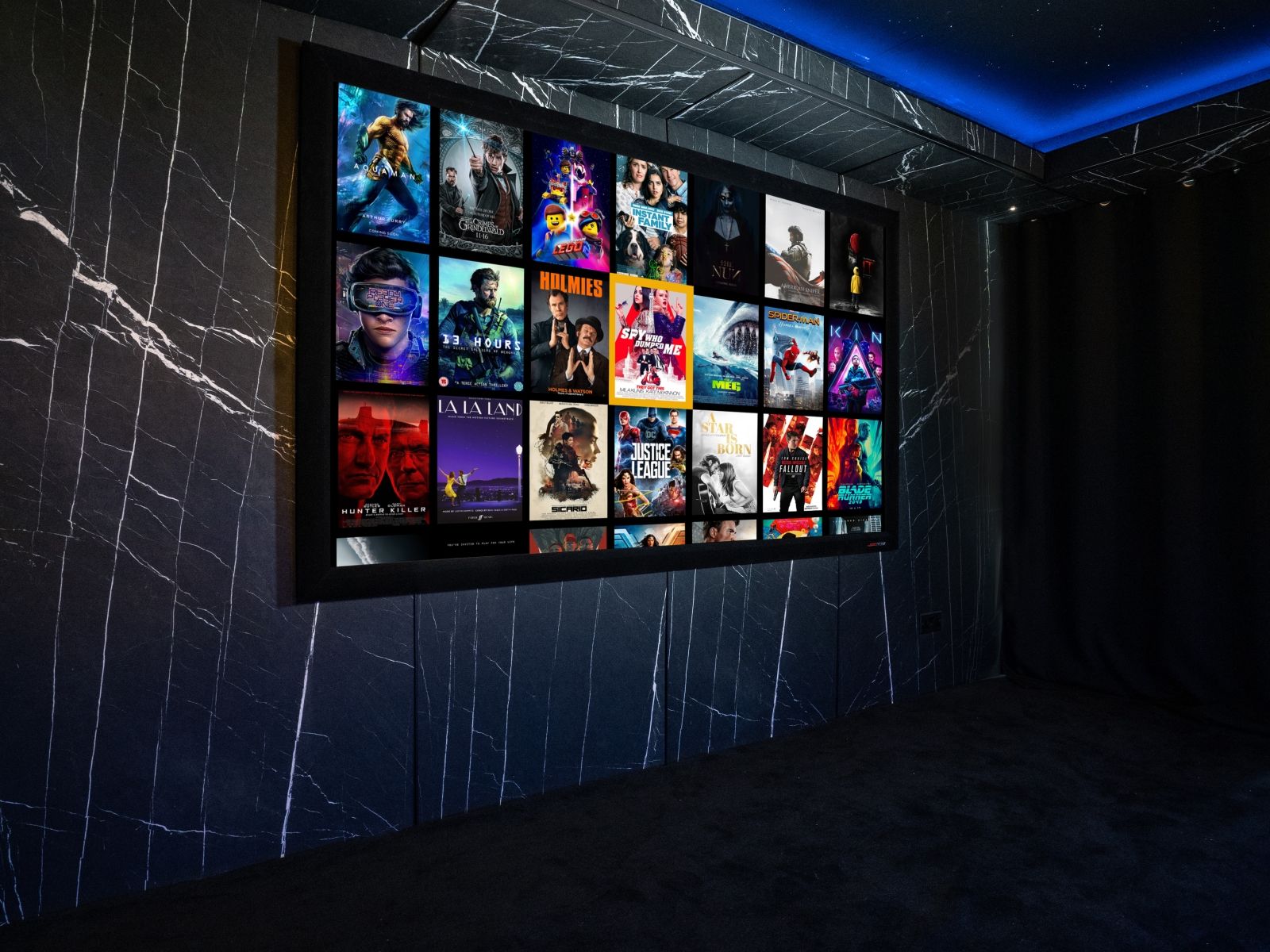
Acoustic treatment is no longer limited to purpose built, high end home cinemas. Media rooms, multi use living spaces, and open plan workplaces have made acoustic comfort a mainstream requirement. Clients may describe it in different ways: clearer dialogue, less harshness, fewer distractions, and better privacy. The expectation, however, is the same: spaces should sound as good as they look.
For integrators and installers, success depends on more than adding absorption. The most reliable results come from a professional workflow that balances acoustic intent, design integration, and practical installation details, then confirms the outcome on site.

Start with a repeatable method
Step 1: Define the use case
A media room, a living room with a serious audio system, and an open plan office can all suffer from “bad acoustics”, but they fail for different reasons. In residential listening spaces, common issues include early reflections (sound bouncing first off nearby surfaces) that blur imaging and reduce clarity, flutter echo (rapid pinging between parallel hard surfaces), and low frequency resonances that create uneven bass. In open plan environments, the priority is usually speech related: excessive reverberation, distraction from intelligible speech travelling too far, and poor acoustic separation between activity zones.
Step 2: Translate goals into priorities
Once the goal is defined, the strategy becomes clearer. Media rooms typically benefit from prioritising early reflection control on walls and ceiling, managing late energy at the rear of the room, and addressing low frequency decay when subwoofers or small room modes are present. Open plan offices tend to benefit most from reducing overall reverberant build up with ceiling based treatment, then using local measures to limit speech travel between work areas.
Performance that looks intentional
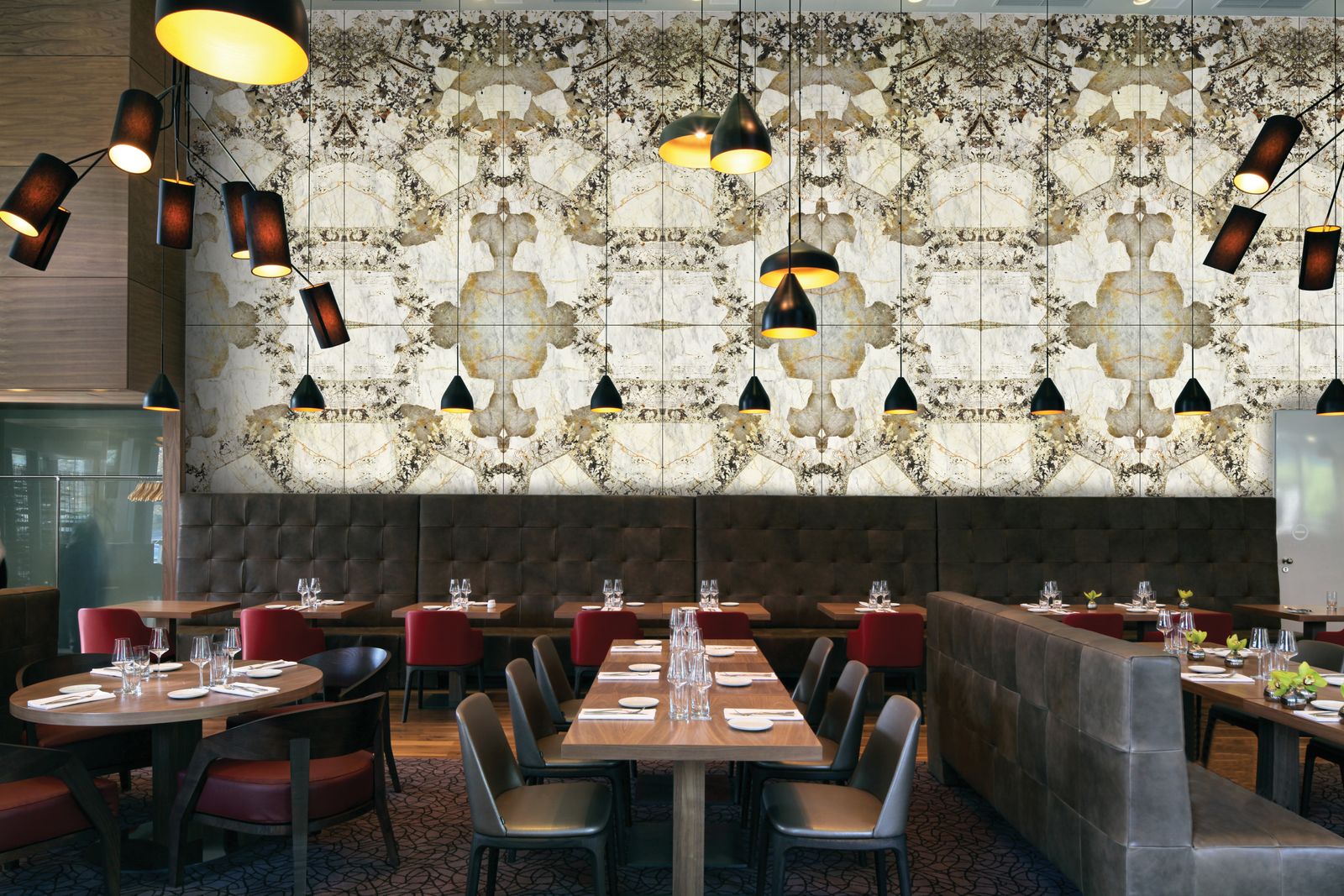
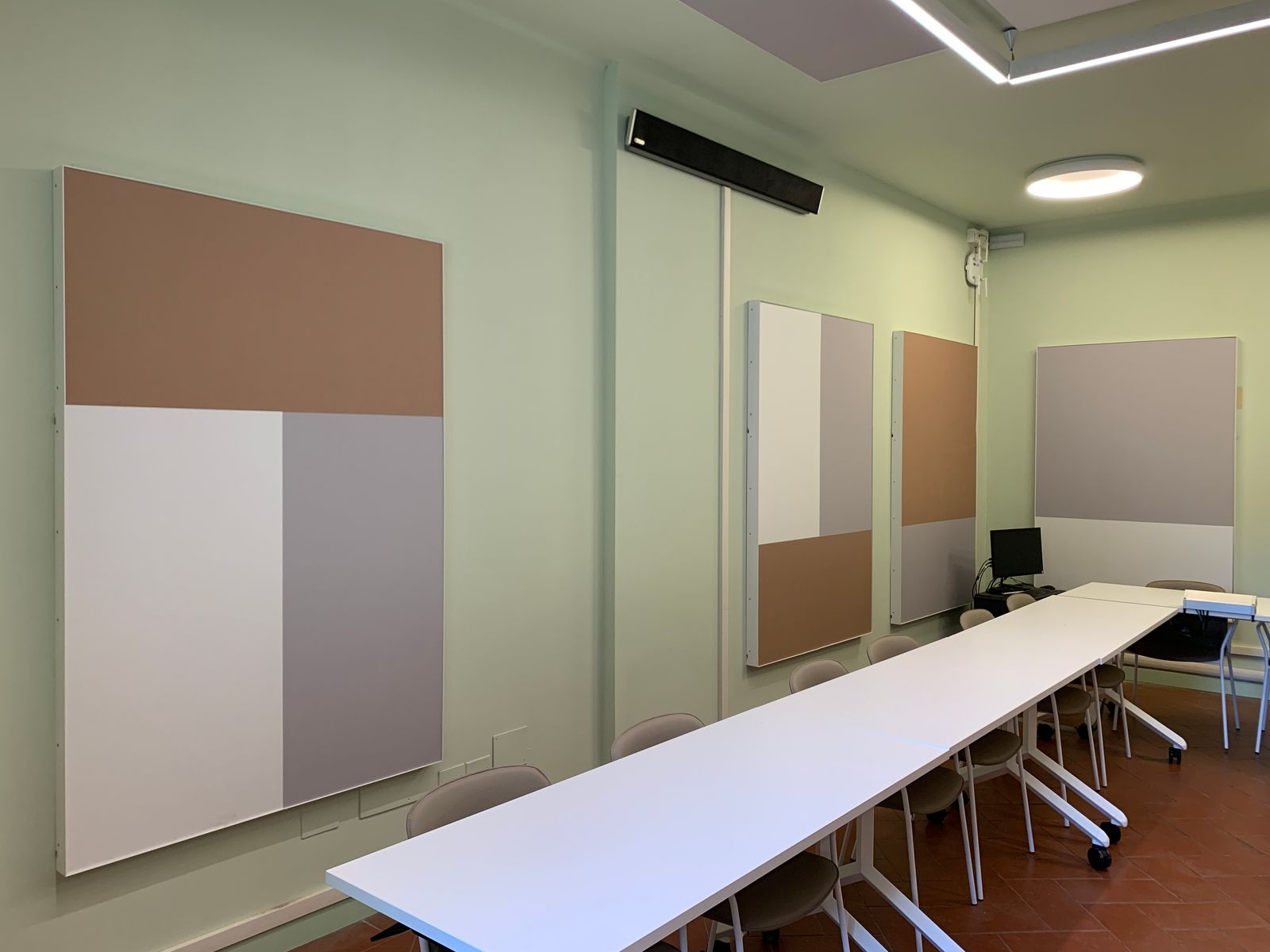
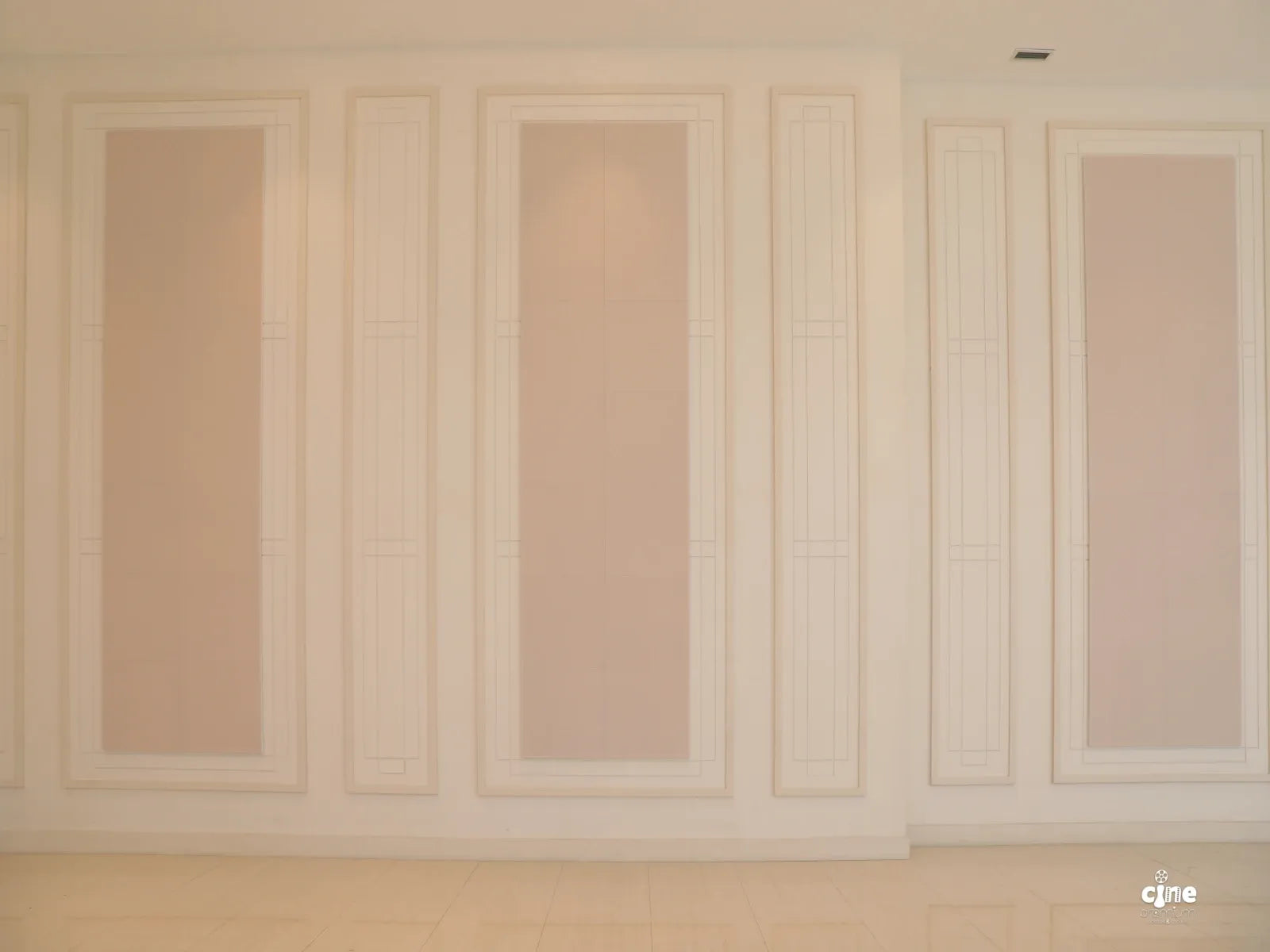
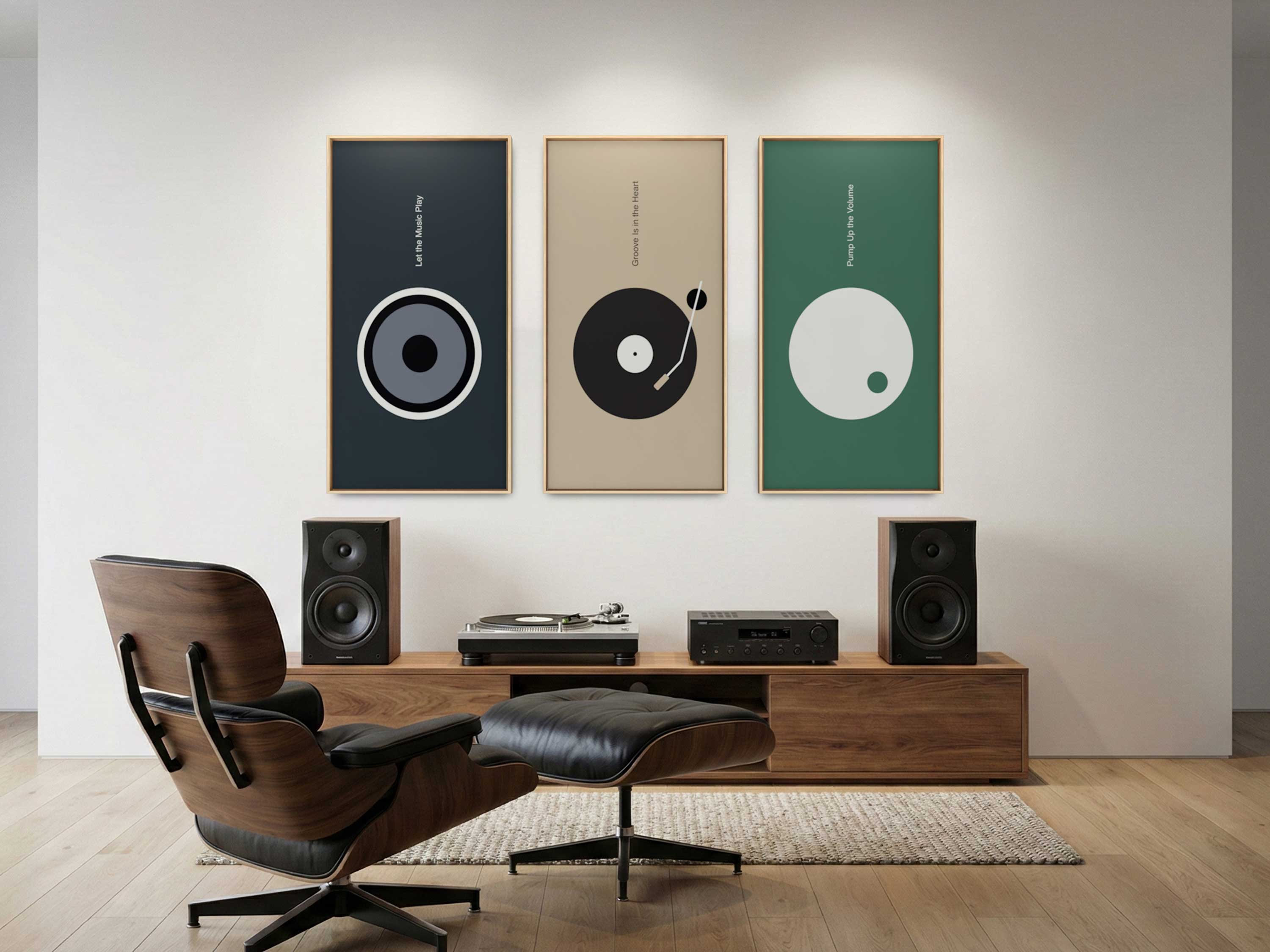
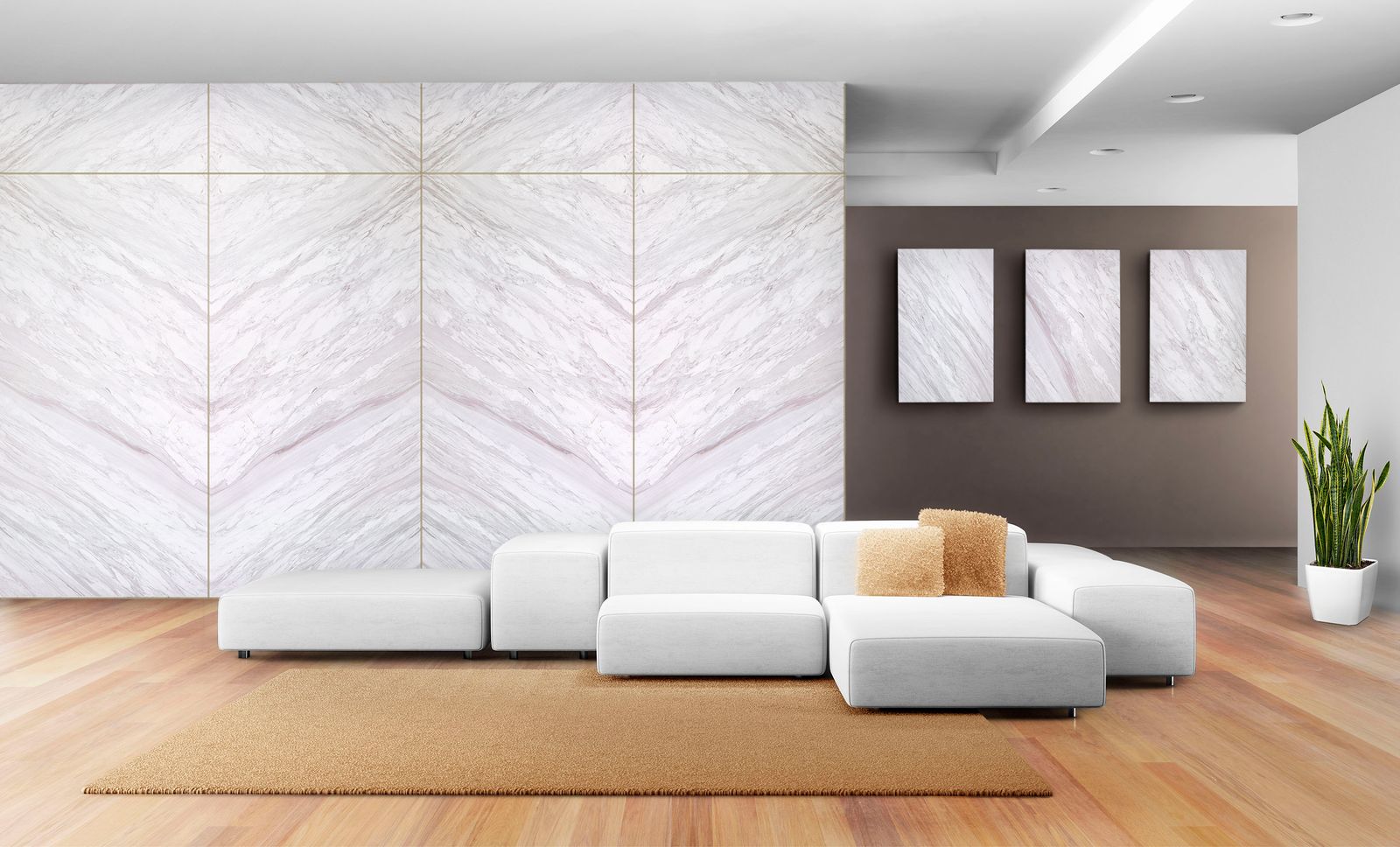
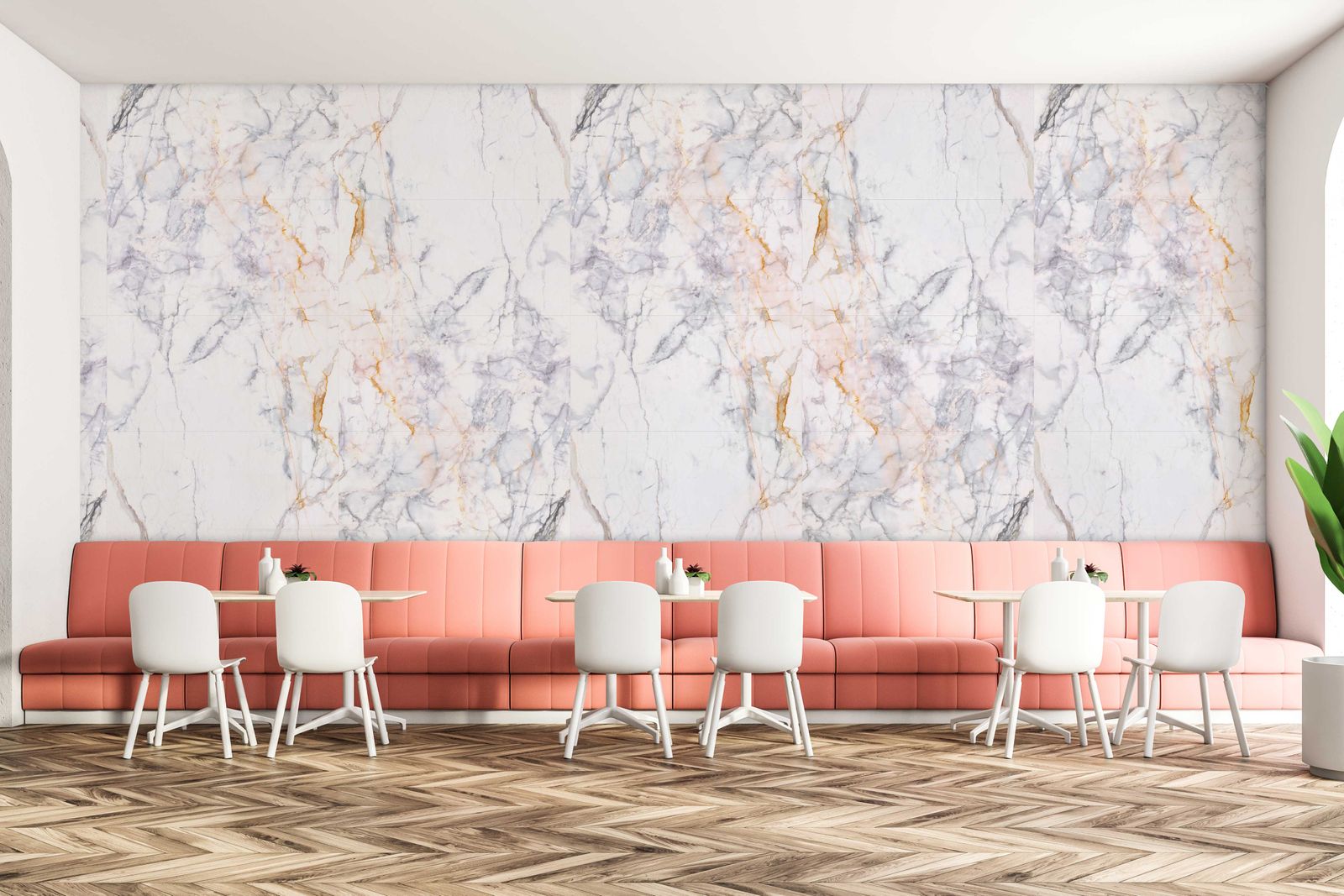
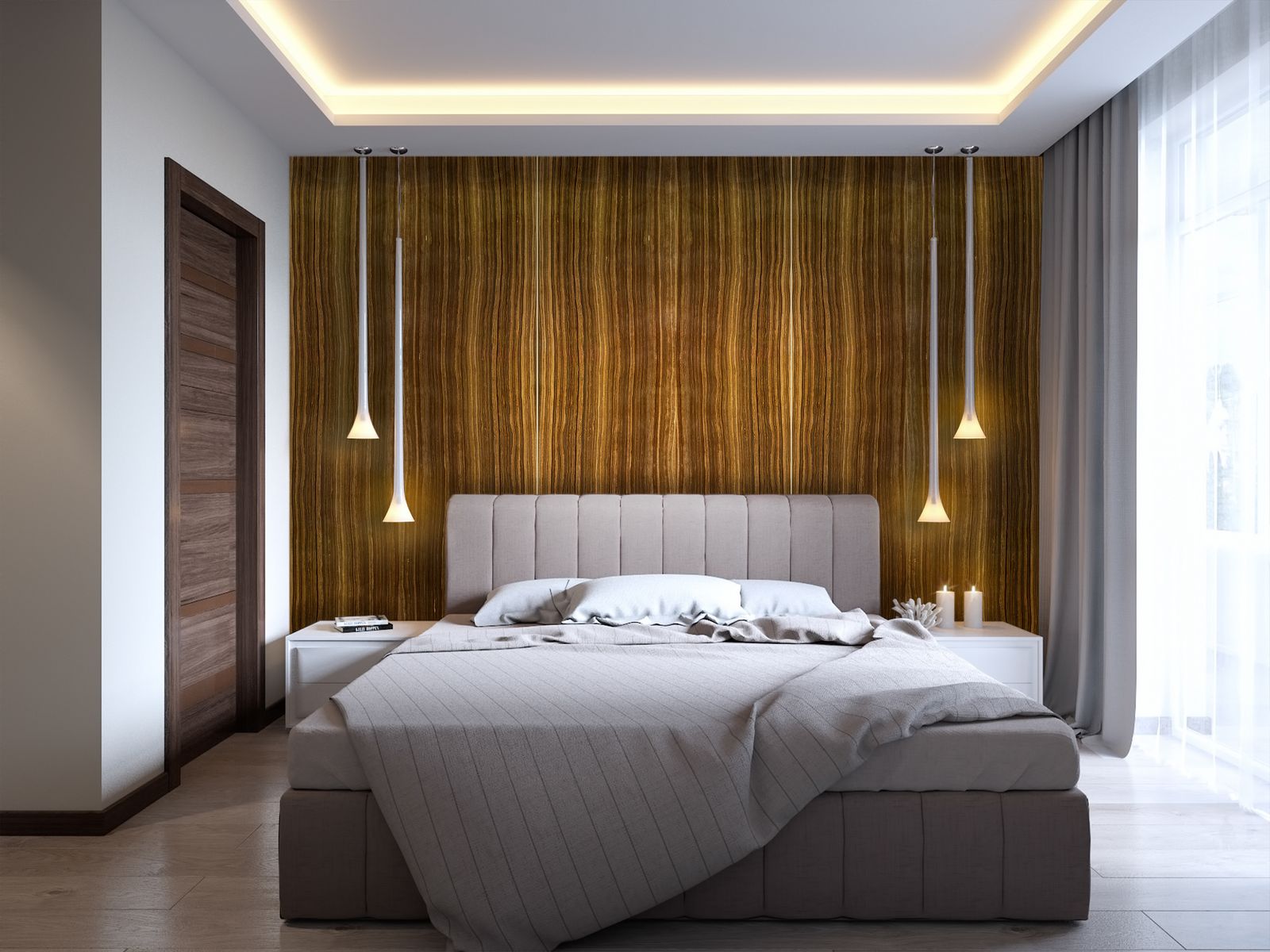
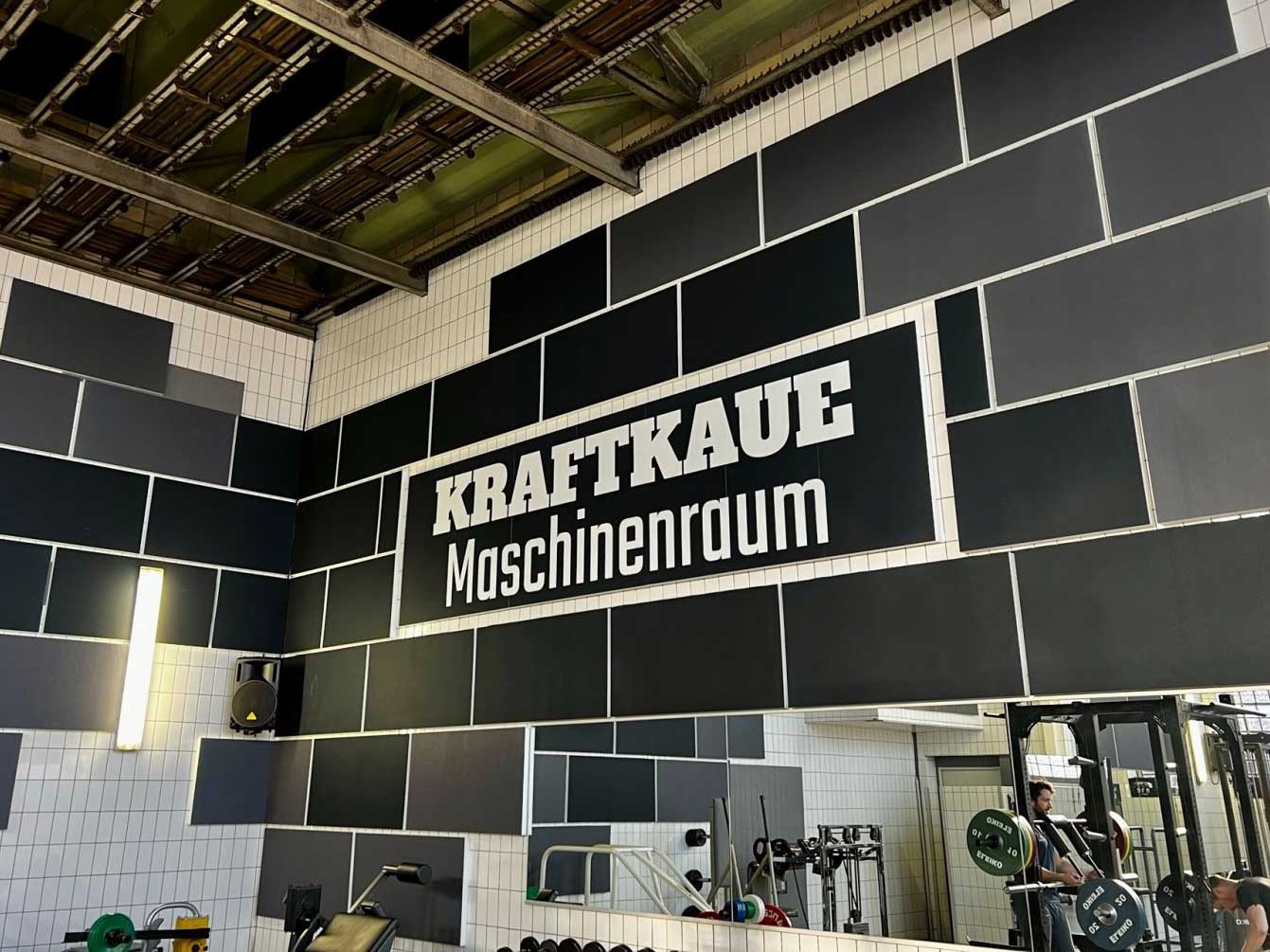
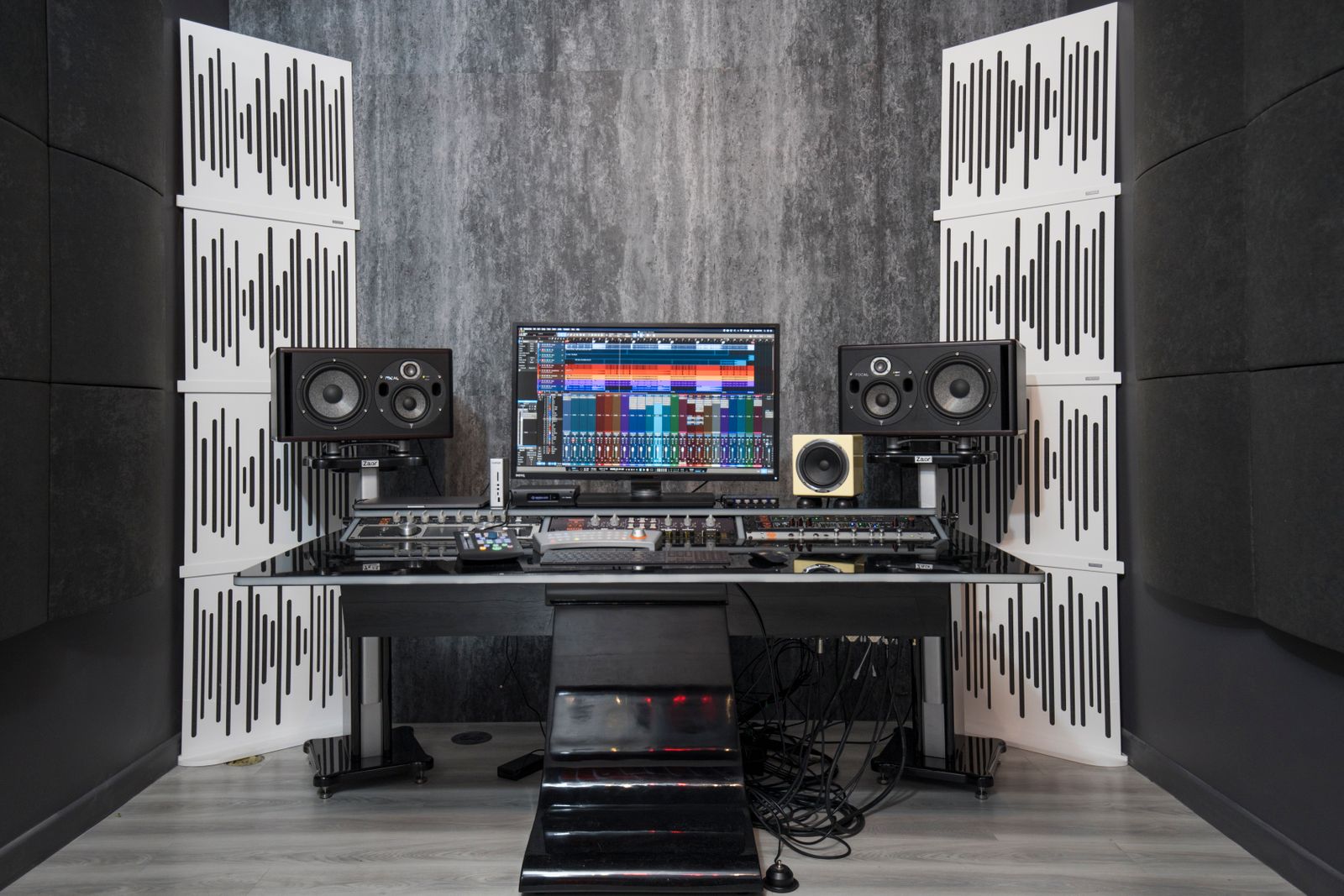
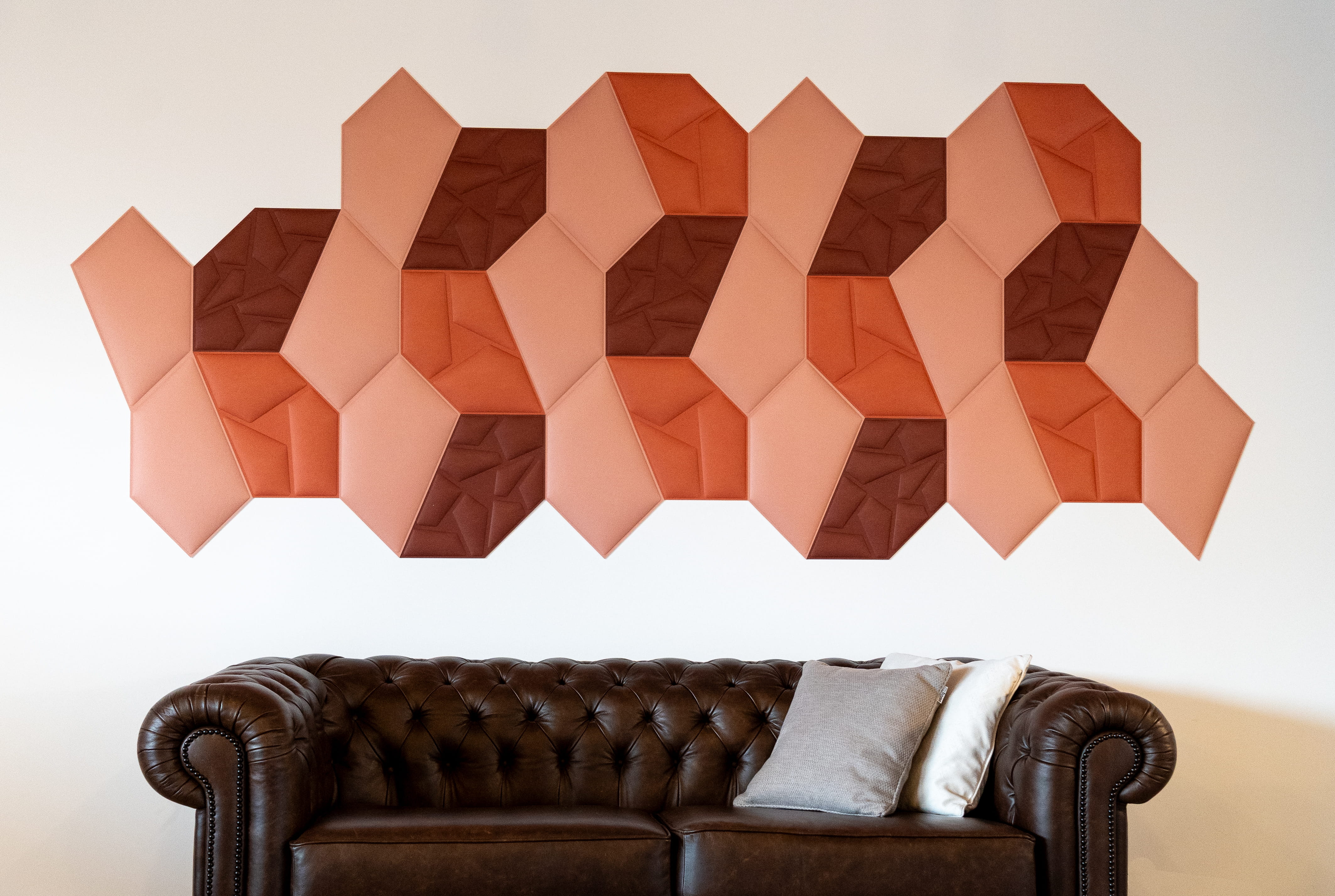
A key industry shift is that acoustic treatment is expected to be part of the interior concept, not a technical add on. This is where architectural formats and finish options matter. Well designed acoustic elements can function as visual features through rhythm, pattern, and texture, allowing professionals to achieve targets with smarter placement and mixed approaches rather than visually intrusive, uniform coverage.
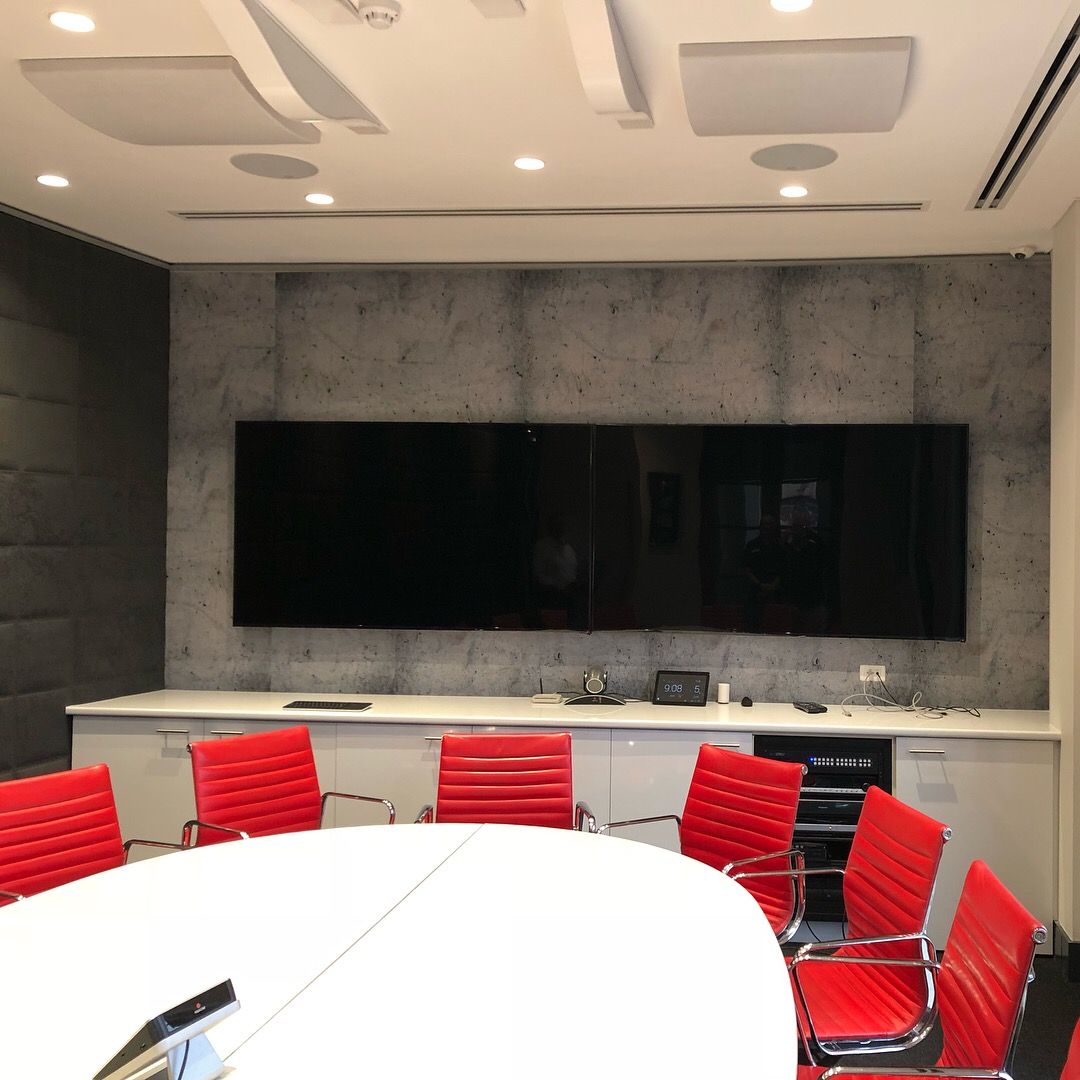
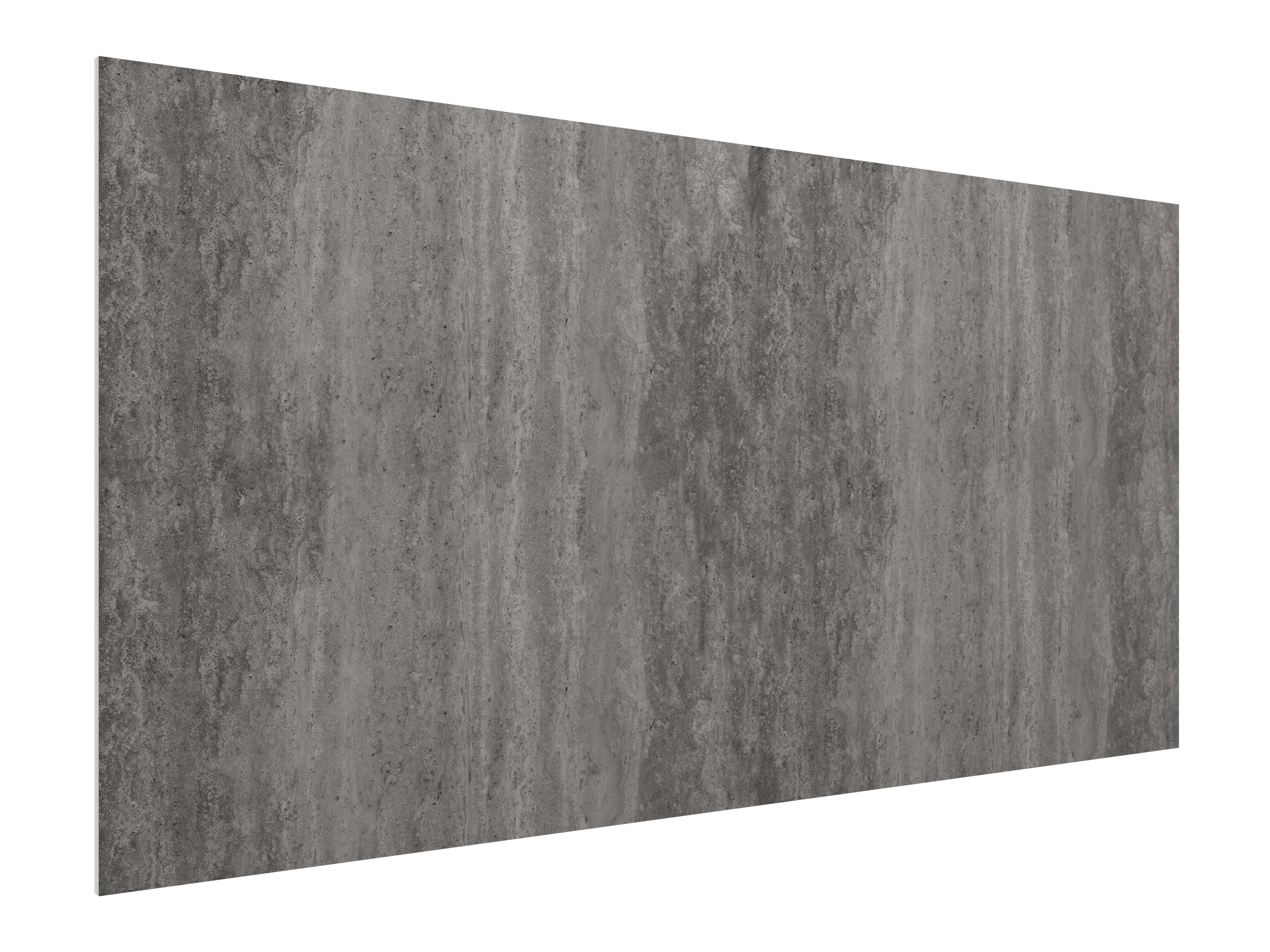
Examples of architectural solutions include feature wall systems and modular elements designed to blend into the interior scheme. In the Vicoustic portfolio, this design direction is represented by solutions such as Vicshape 3D, MidMod, Flat Panel VMT, and ViCloud VMT, selected and placed according to the acoustic objective rather than applied as decoration.
Materials: sustainability, safety, indoor air quality
Material selection is increasingly influenced by sustainability, reaction to fire, and indoor environmental quality. Recycled PET based solutions are gaining relevance because they combine robust performance with recycled content and recyclability, while supporting low emission expectations in residential and workplace projects.
In practice, best specification means considering reaction to fire, emissions, and durability early, not as last minute constraints. These factors often determine which solutions are viable in real projects, particularly in professional installations and higher value interiors.
Techniques that consistently work
In media rooms, three placement principles remain strong.
First reflection control
Targeted treatment on wall and ceiling reflection zones typically produces immediate improvements in clarity and imaging, often with less material than clients expect.
Rear wall strategy
Diffusion, or a hybrid approach combining diffusion with some absorption, can reduce problematic late energy while maintaining a comfortable sense of space.
Low frequency management where required
When bass decay is long or response is uneven, corner and perimeter control is often necessary. Modern practice increasingly focuses on integration so that performance gains do not dominate the visual outcome.
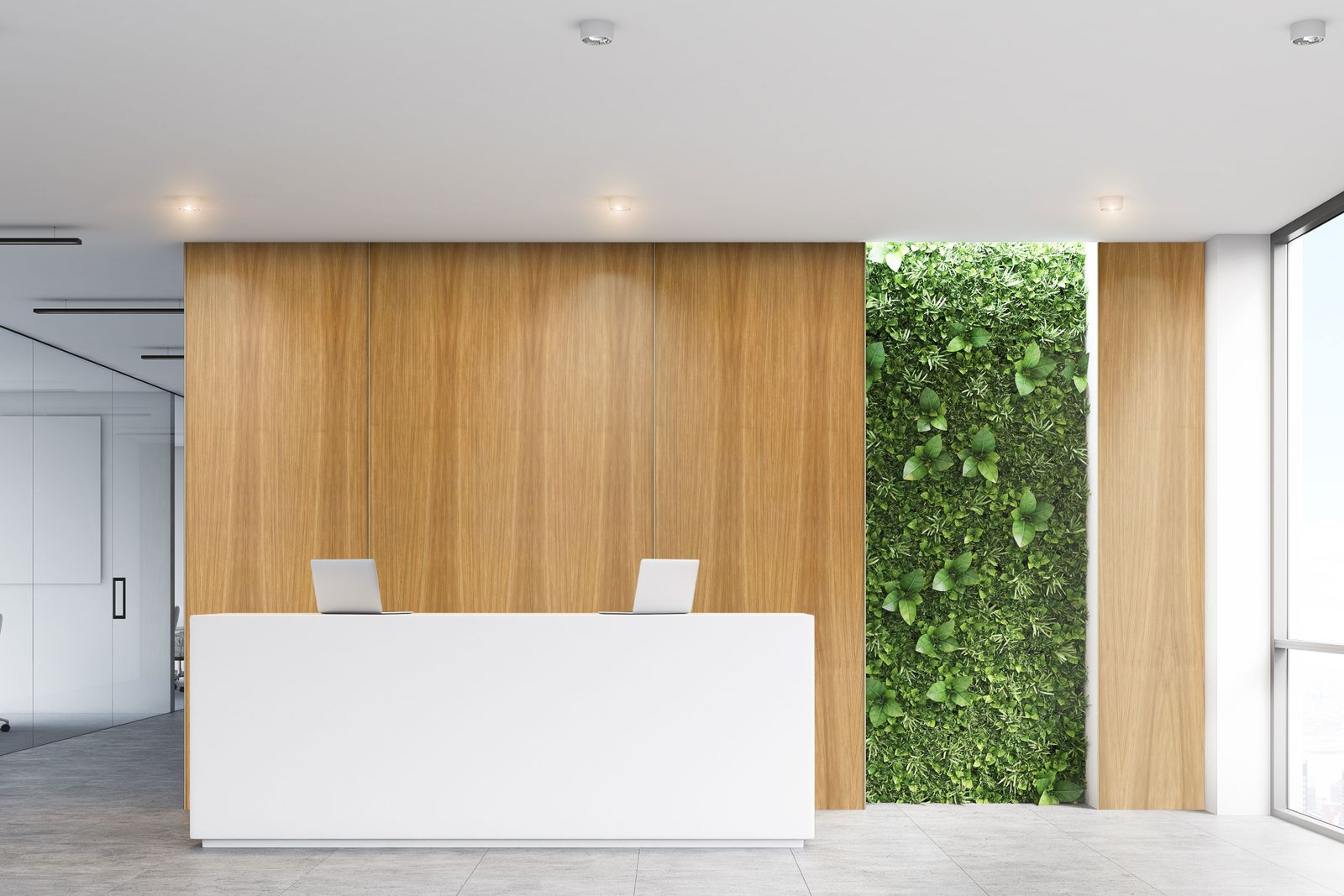
In open plan offices, wall coverage is often limited, so the ceiling is typically the main opportunity for acoustic control. A well planned ceiling absorption strategy reduces reverberant build up and improves overall comfort. This can be complemented with desk screens or other vertical dividers and a considered furniture layout, to help limit distracting speech travel between work areas. As a simple verification step, it is good practice to check RT (reverberation time) and, where speech is critical, an intelligibility indicator after installation.
Installation best practice: where outcomes are decided
Even strong designs can underperform if installation is treated as secondary. The practical determinants of success are consistent across projects.
Coordinate with building services
Lighting, HVAC, sprinklers, and AV must be integrated early so acoustic elements are not forced into leftover spaces, and so access for maintenance is preserved.
Choose repeatable mounting methods
Consistency matters. Confirm the substrate, choose appropriate fixings, and follow clear alignment tolerances. Simple, well documented mounting methods reduce variability between installers and protect both performance and aesthetics.
Document placement intent
Installers should not be asked to interpret acoustic strategy on site. Clear drawings, reference points, and placement priorities protect the result.
Measurement and validation: keep it credible and communicable
Verification should be technically meaningful and easy to explain. Reverberation time by octave bands remains the most widely understood indicator of overall comfort, typically expressed as T20 or T30 (reverberation time estimates). Speech intelligibility metrics such as STI can be particularly useful in meeting rooms and collaboration areas, especially where background noise and AV systems play a role, because they translate acoustic conditions into a clear speech clarity indicator.
For open plan offices, professionals often complement these with additional speech propagation and privacy related metrics defined in ISO 3382 part 3, using standardised assessment methods that reflect how far speech carries and how distracting it becomes in real work conditions. The key is not to overload reports with graphs, but to select a small set of relevant before and after indicators that match the space goals.
Conclusion
Balancing performance, design, and installation is not a compromise when the process is correct. Define the acoustic goal, translate it into practical placement priorities, integrate treatment into the interior concept, install with repeatable best practice, and validate with simple measurements that relate to what users experience. With today’s architecturally integrated solutions, sustainable materials, and efficient installation methods, it is increasingly achievable to deliver spaces that sound as good as they look.







Share:
UniVicoustic Earns Official Research Recognition from ANI
VicStrip: Innovating Acoustic Panels with Style and Function