

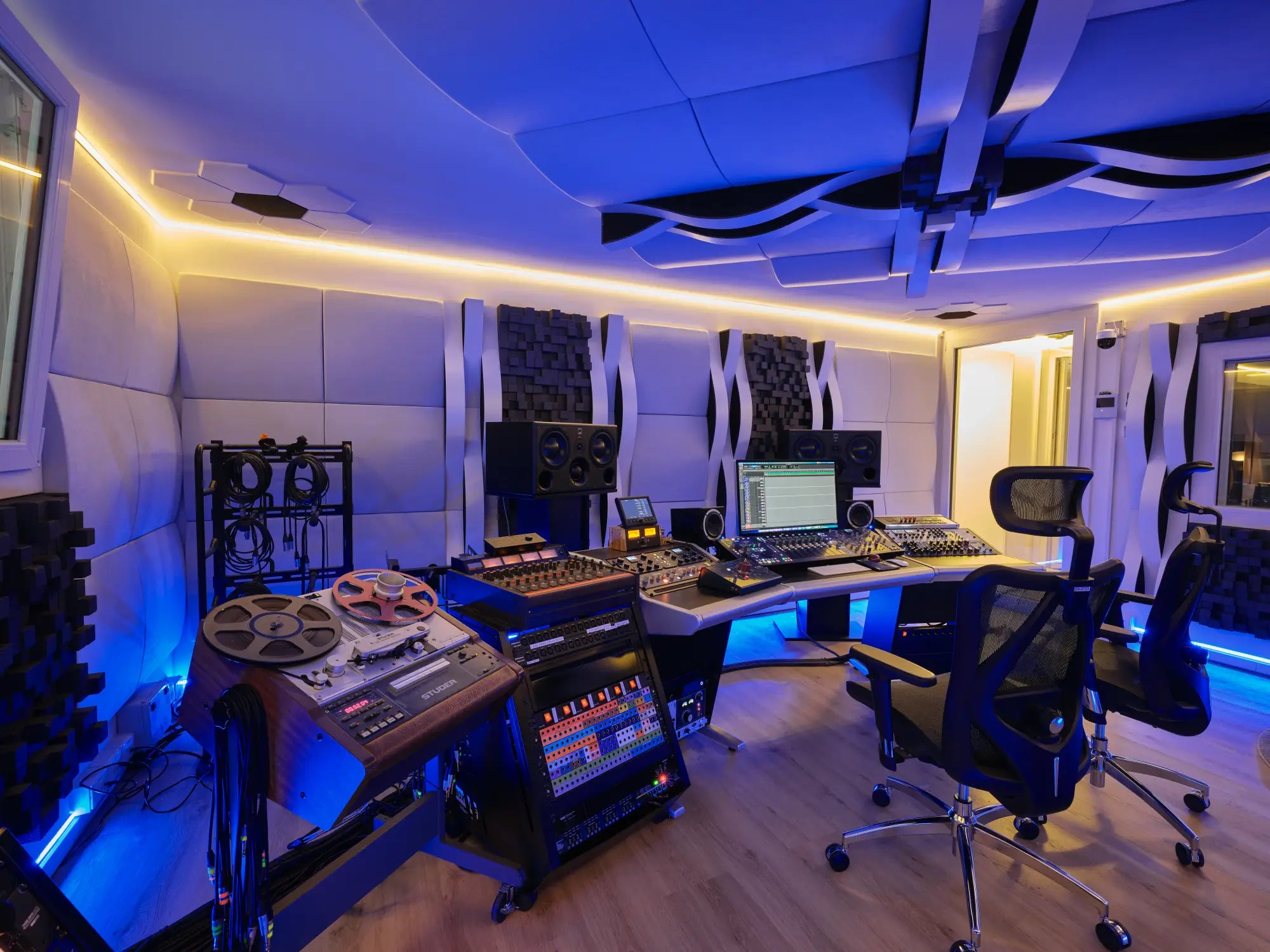
You’ve invested in the gear: the monitors, the interface, the microphone. But if your mixes still do not translate, if they sound right in the room and fall apart everywhere else, the problem is not your ears or your plugins. It is the room.
A recording studio performs at its best when its acoustics are treated with intention. That means addressing three core acoustic functions together: bass control, absorption, and diffusion. When these elements are properly balanced, the room starts working with you instead of against you.
Effective acoustic treatment is not simply about adding more material to the walls. It is about applying the right type of control in the right place. A well treated recording studio depends on three distinct acoustic functions working together, and getting that balance right is what separates a room that sounds impressive from one that sounds trustworthy.
Bass Control
Low frequencies, especially below around 200 Hz, tend to build up in room corners, where sound pressure is highest. This creates standing waves that lead to an uneven low end, with peaks, nulls, and a bass response that can feel boomy or inconsistent depending on the listening position.
Bass traps help control this behaviour by reducing the energy of those resonances and smoothing out the room’s low frequency response. In practice, a well treated room often seems to have more bass, not because it is boosting low frequencies, but because excessive peaks and deep cancellations are brought under better control.
This is why corner treatment is such a critical part of studio design. The front and rear corners are typically the most effective starting points, as they are the areas where low frequency pressure tends to accumulate the most.
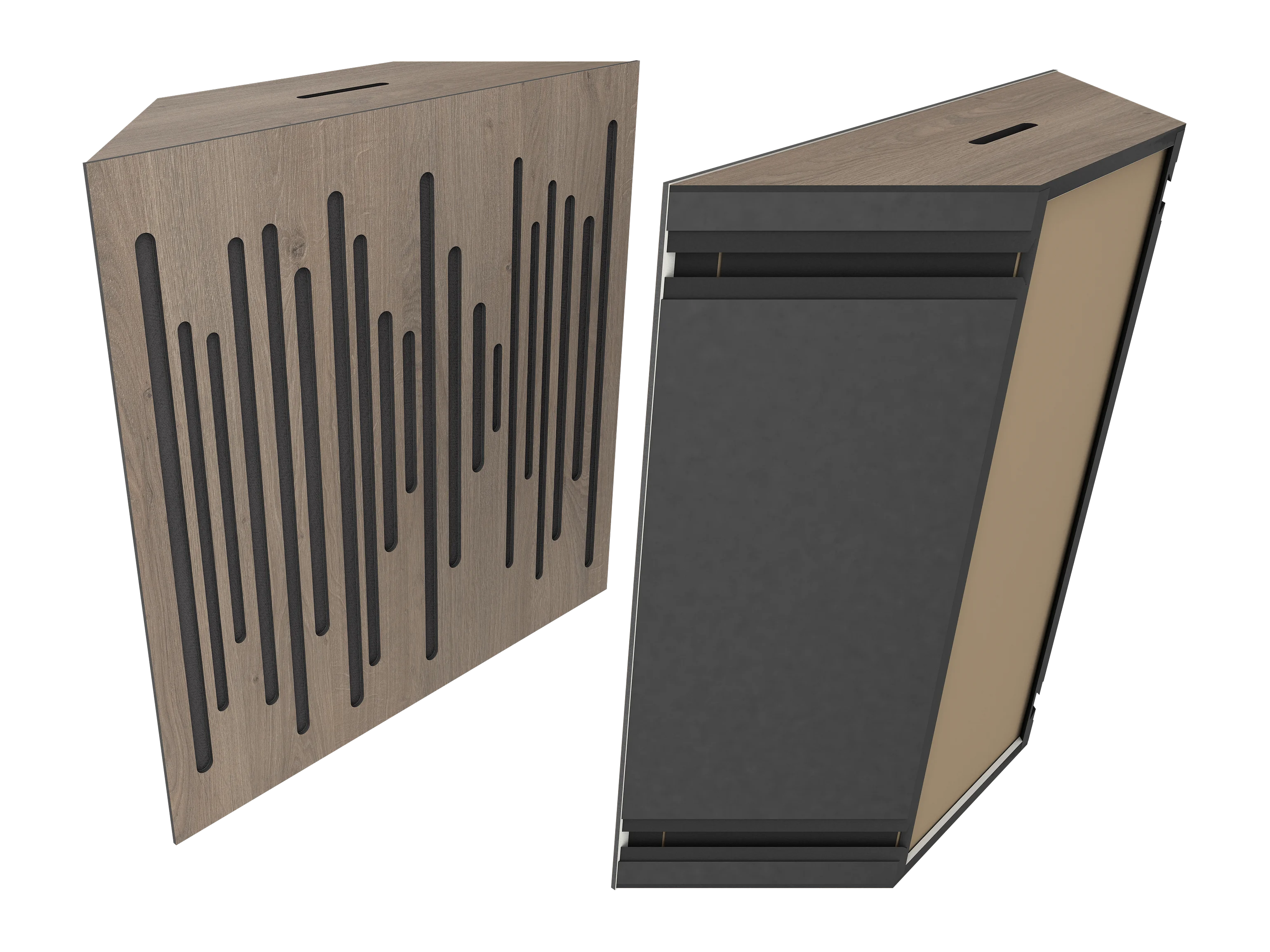
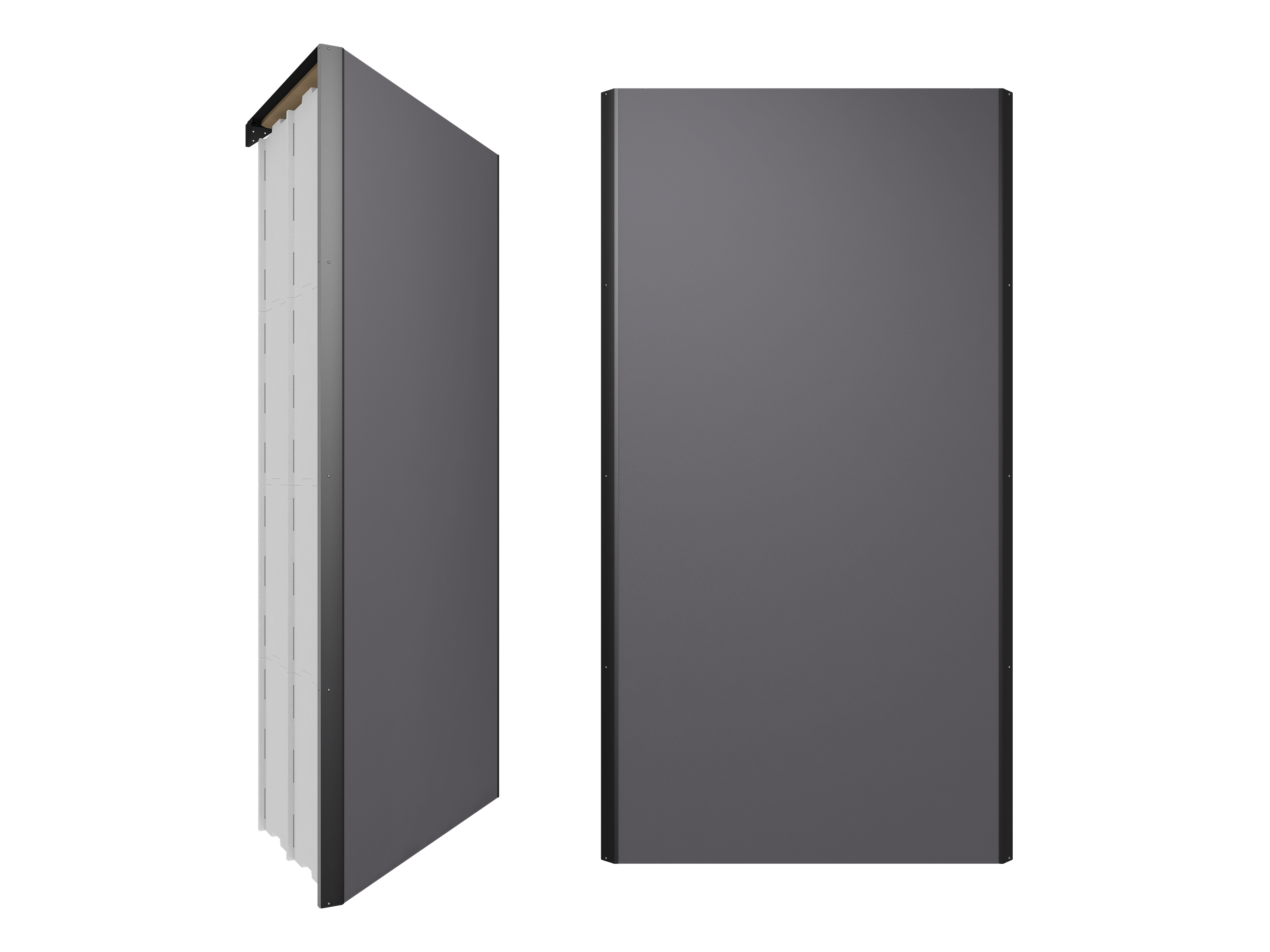
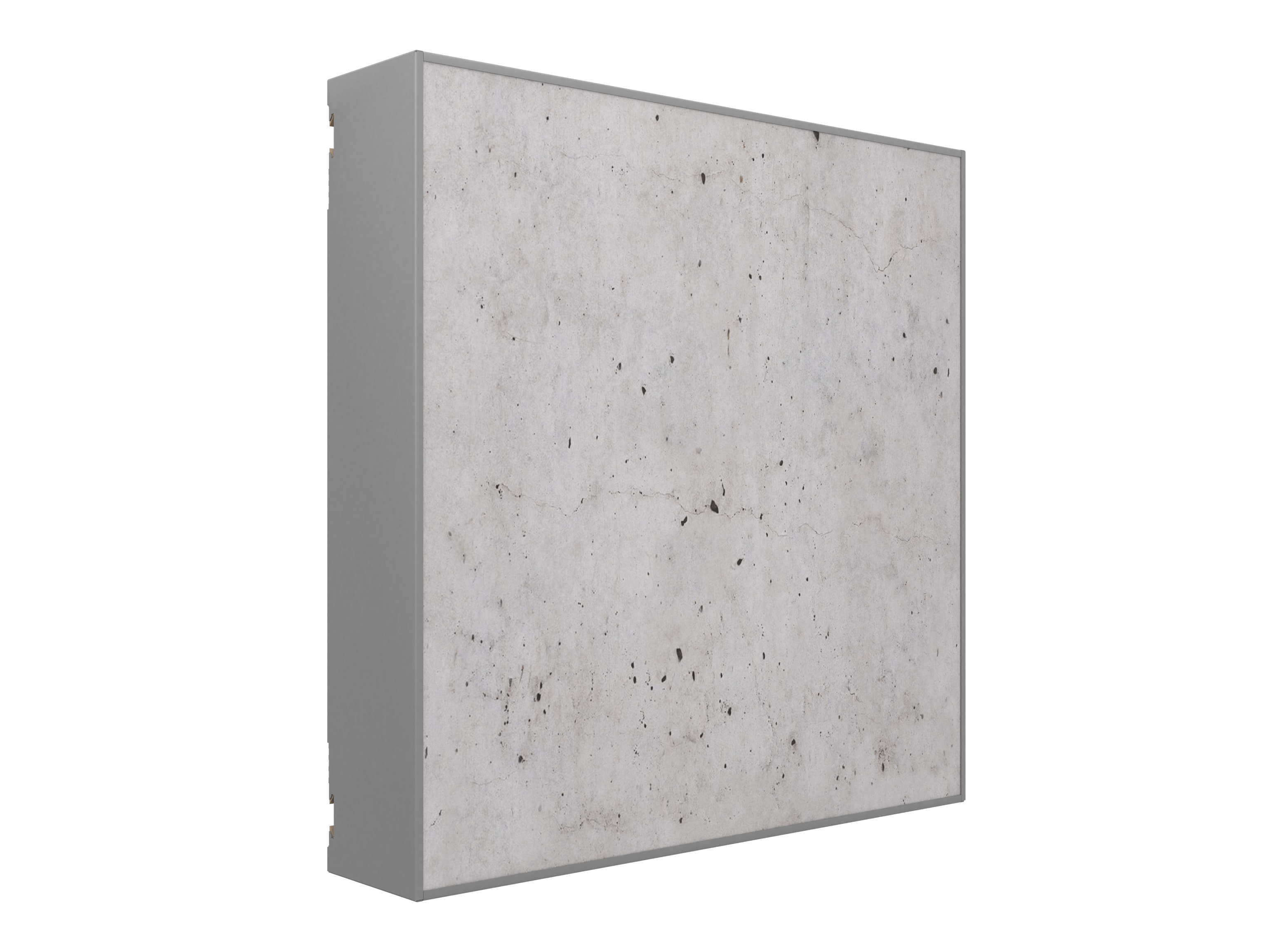
For this purpose, Super Bass Extreme Ultra is a strong solution for corner placement, using a membrane-based system to provide effective low-frequency control, with its strongest performance centred around 100 Hz.
For projects that require a larger and more visually refined solution, Mega Bass Trap VMT XXL offers a broader broadband approach, providing effective control from around 50 Hz upward while integrating naturally into professional studio spaces.
Absorption
Once low-frequency behaviour is under control, the next step is to manage the reflections that affect clarity, stereo imaging, and overall listening accuracy. In a recording studio, some of the most critical reflections come from the side walls and ceiling, particularly at the first reflection points, where sound from the monitors reaches nearby surfaces before arriving at the listening position.
This is where broadband absorbers play an essential role. By reducing early reflections, they help minimise comb filtering, improve focus, and create a more reliable listening environment. When properly positioned, they allow the direct sound to remain clearer and less masked by reflected energy.
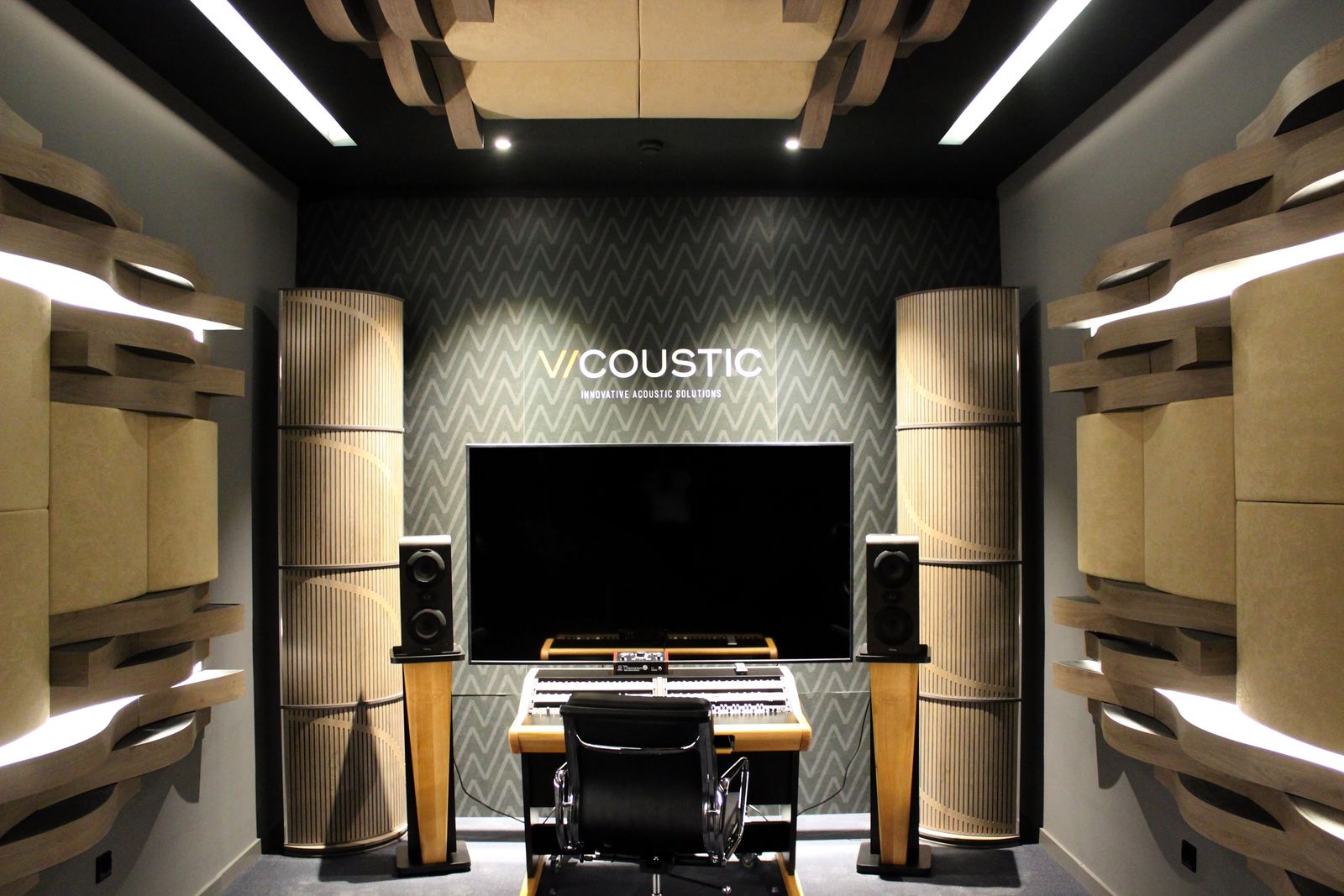
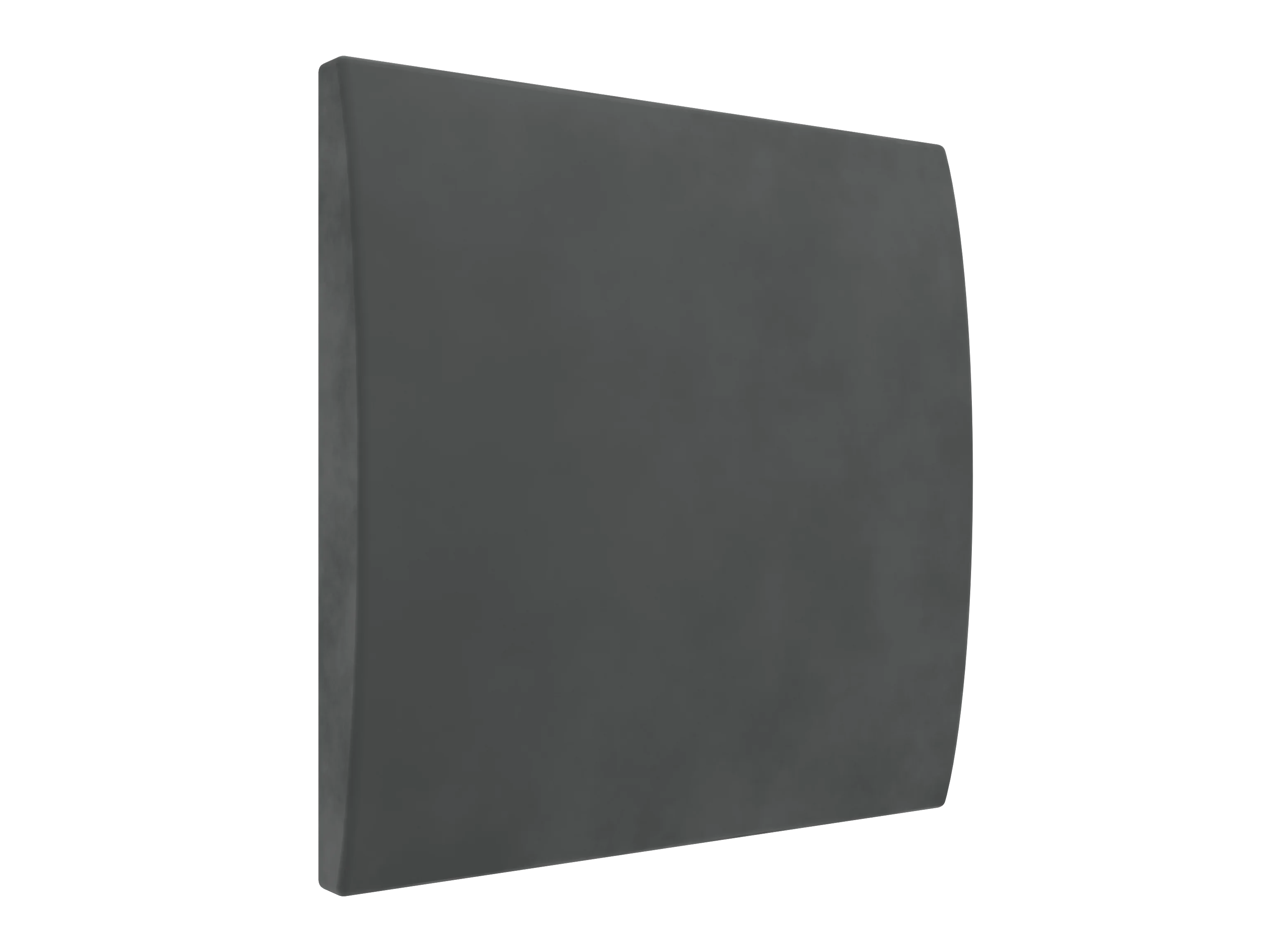
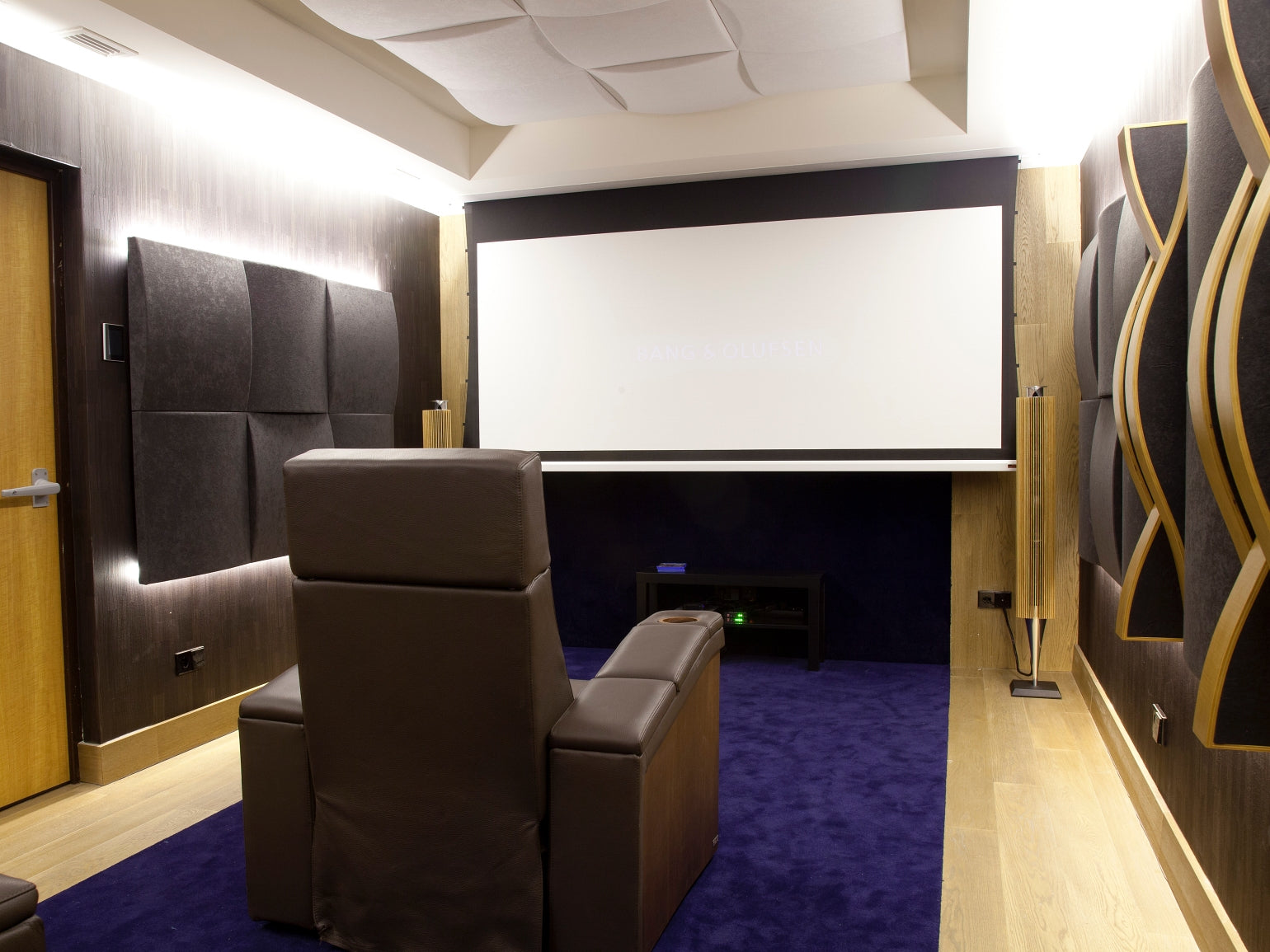
For this purpose, Cinema Round Premium is a high-performance absorber designed to reduce unwanted reflections and excess reverberation in professional audio spaces. Installed at the side wall reflection points and on the ceiling above the listening position, it helps create a cleaner and more controlled soundstage.
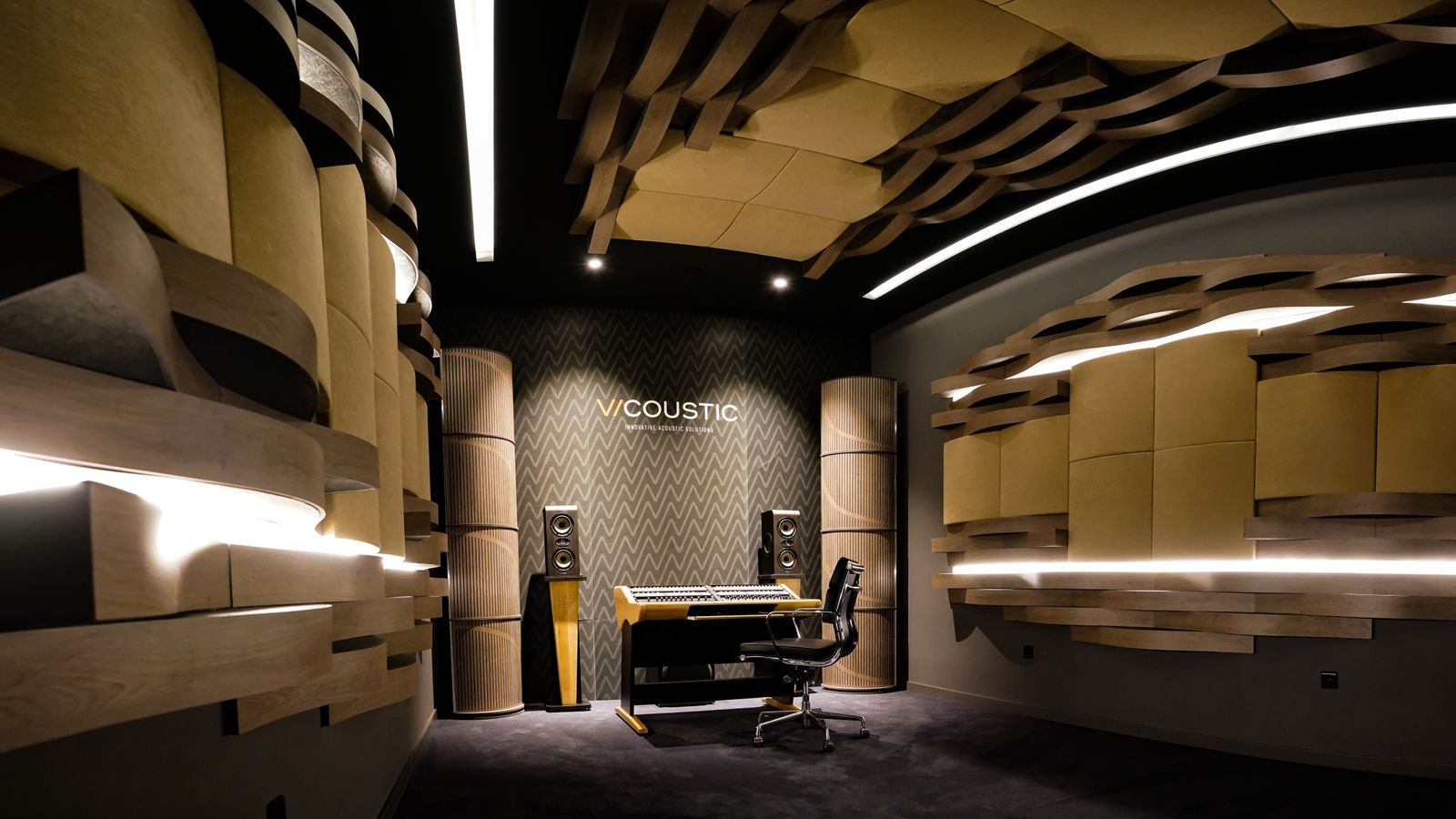
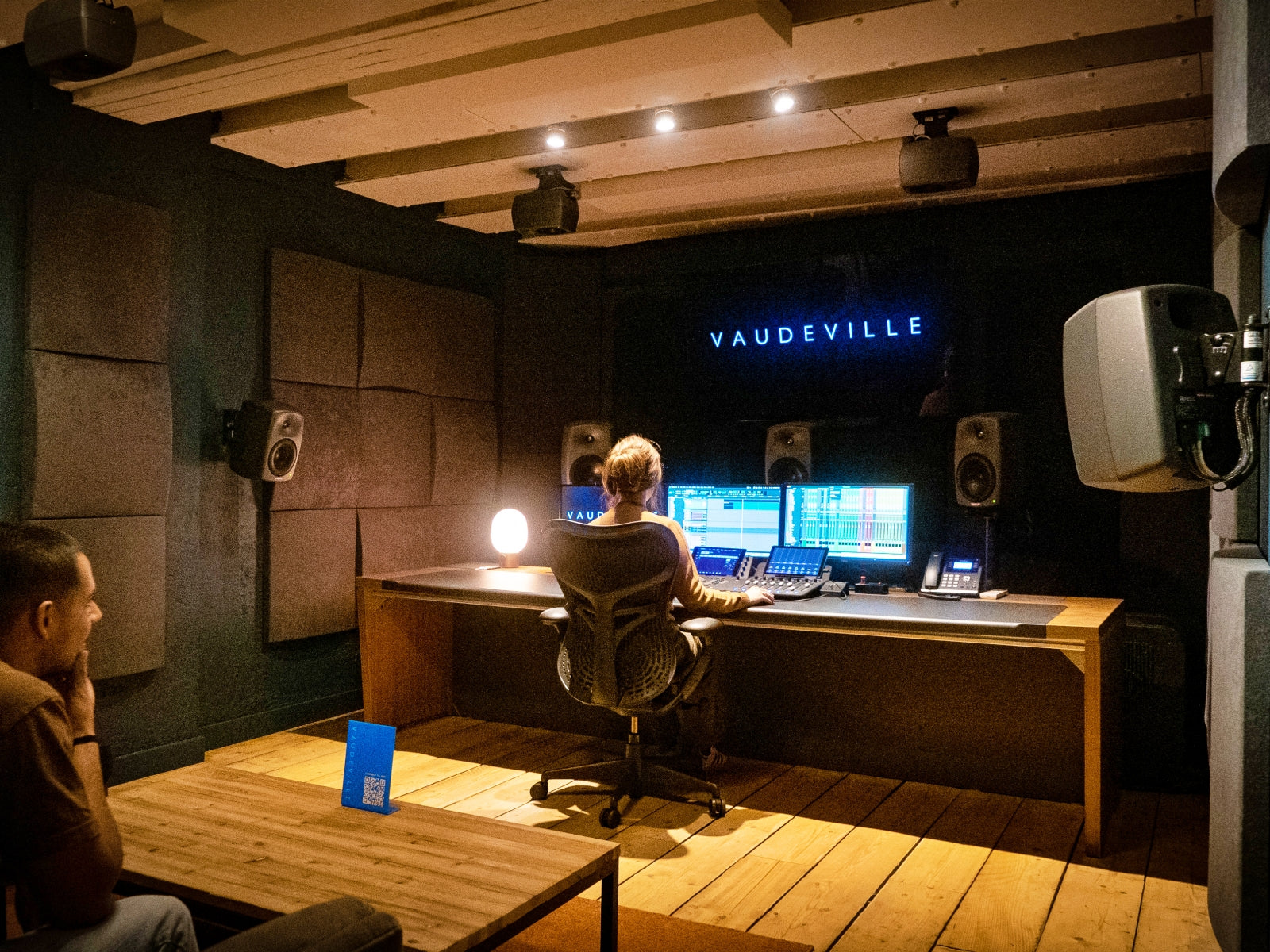
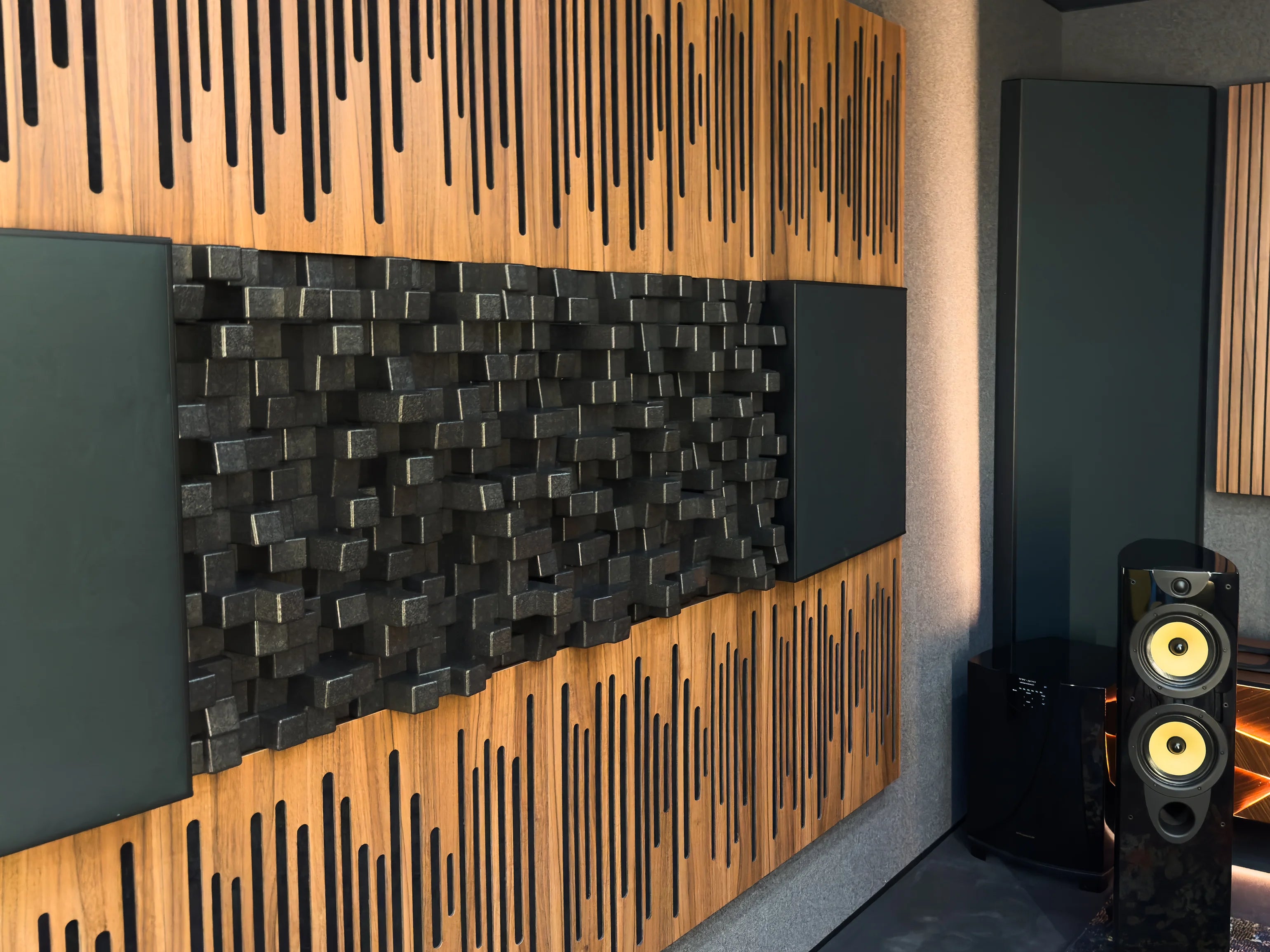
Cinema Fortissimo VMT offers another strong solution for wall and ceiling applications, combining high absorption performance with a refined VMT finish. It has been used at Bulwark Audio in Pamplona, Spain, a studio designed for mixing and Dolby Atmos mastering.

Diffusion
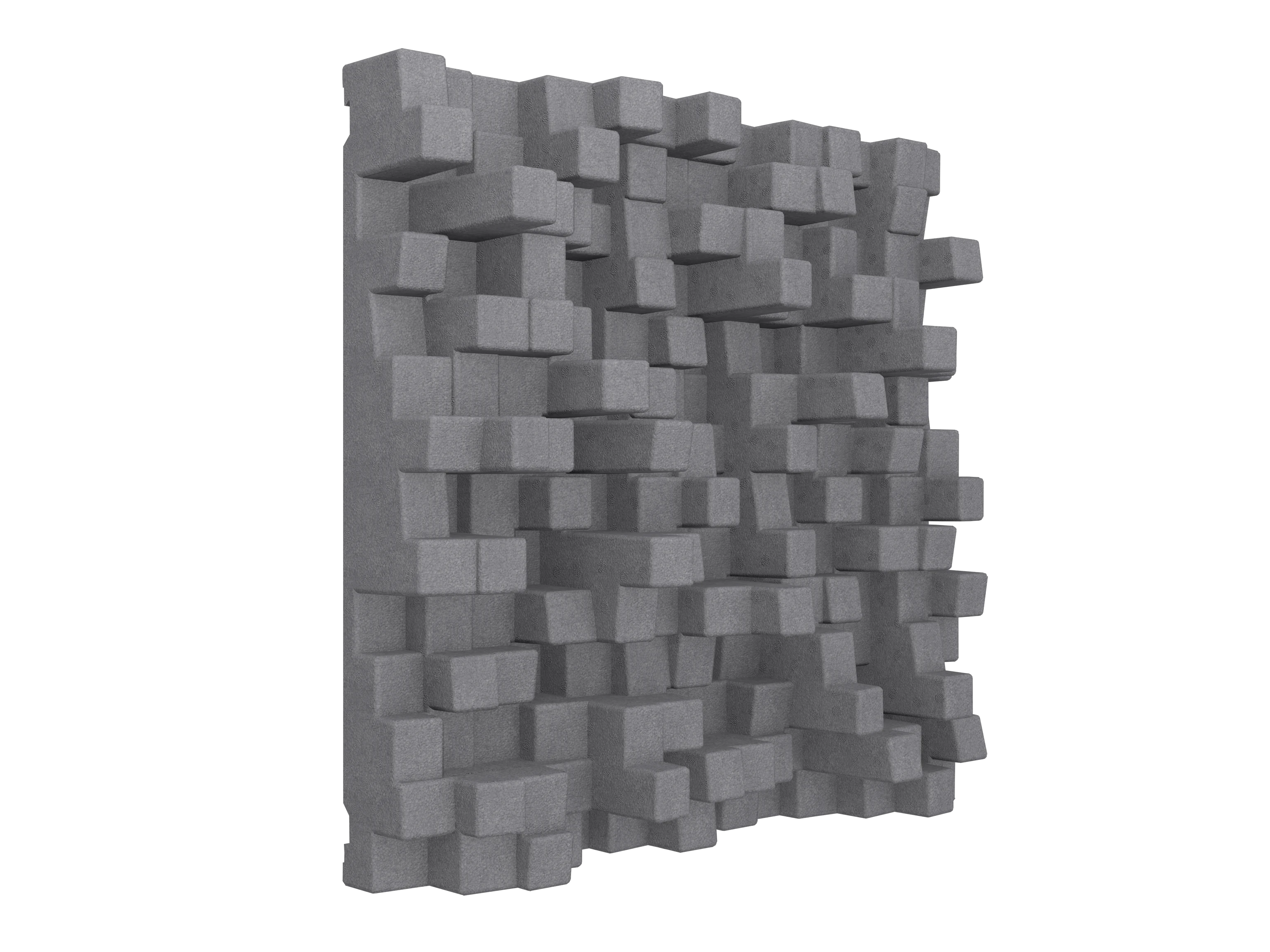
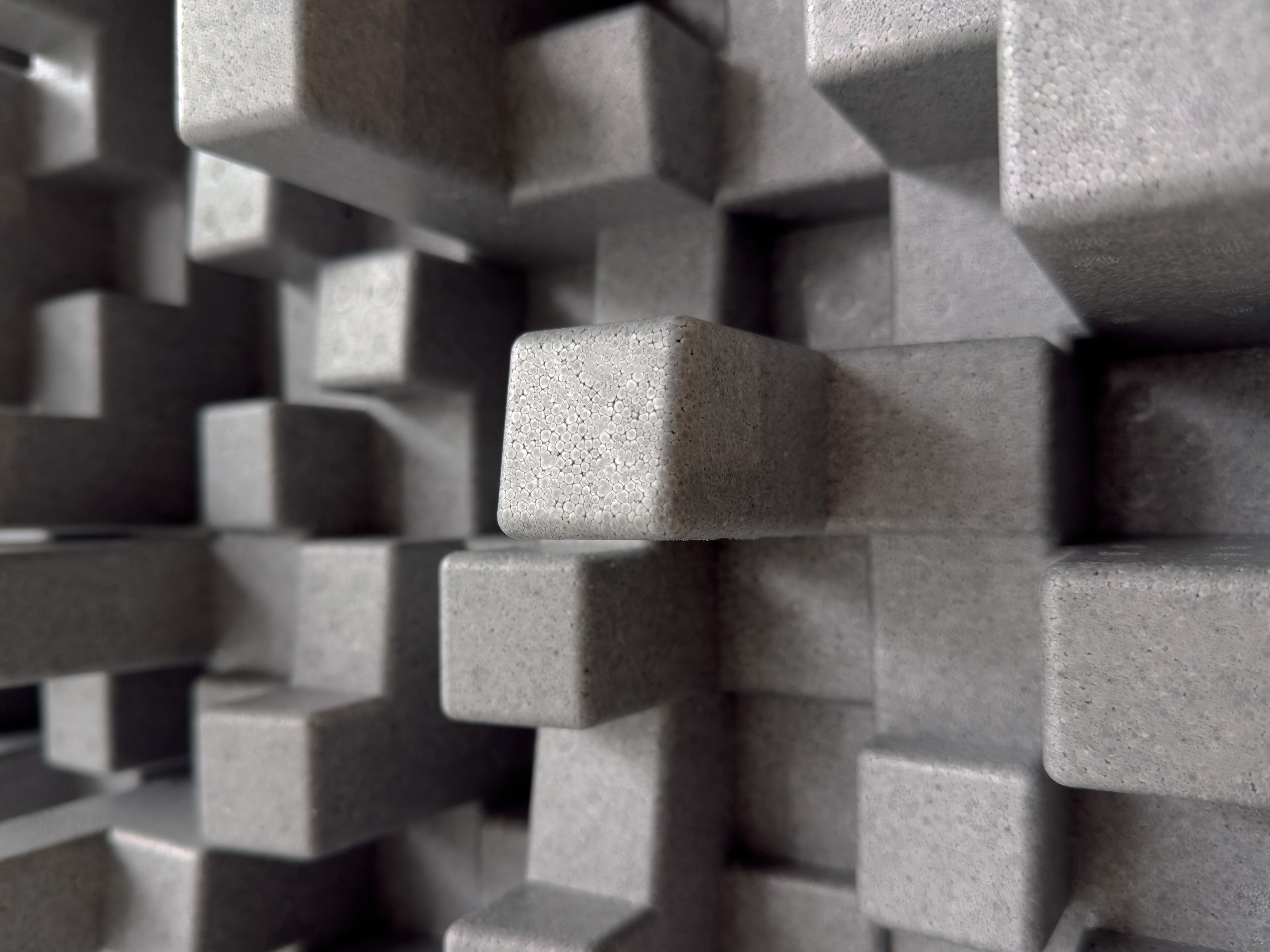
If too many surfaces in a studio are treated only with absorption, the room can start to feel acoustically flat or unnaturally dry. Diffusion helps prevent that by scattering reflected sound energy in a more even and controlled way, rather than simply removing it. The result is a space that feels more natural, more open, and more balanced to work in.
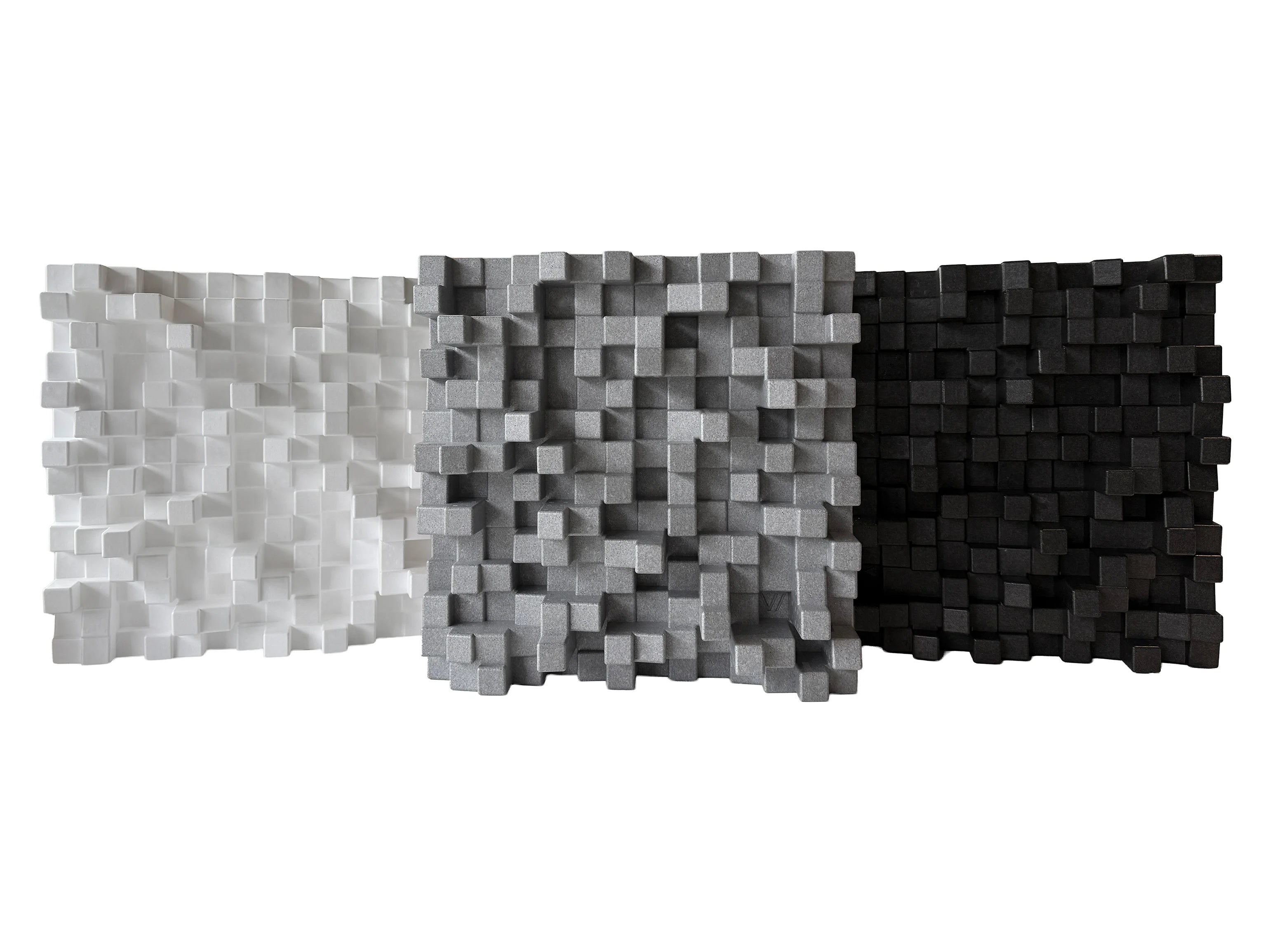
In recording studios, diffusion is often especially useful on the rear wall, where it helps break up returning reflections and reduce the sense of acoustic harshness or concentration from a single direction. Rather than creating strong specular reflections, diffusers redistribute sound across the room, helping preserve liveliness without compromising control.
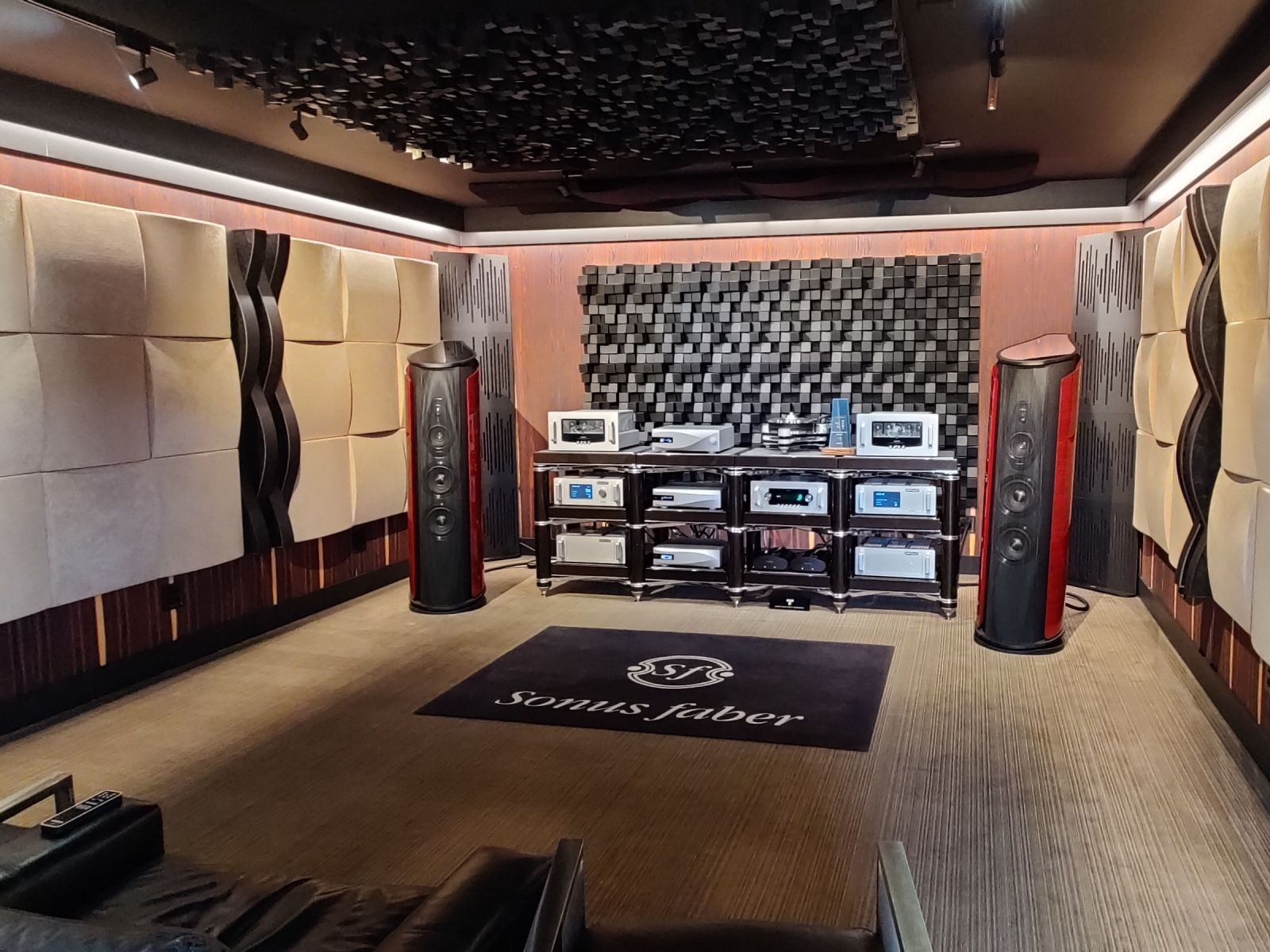
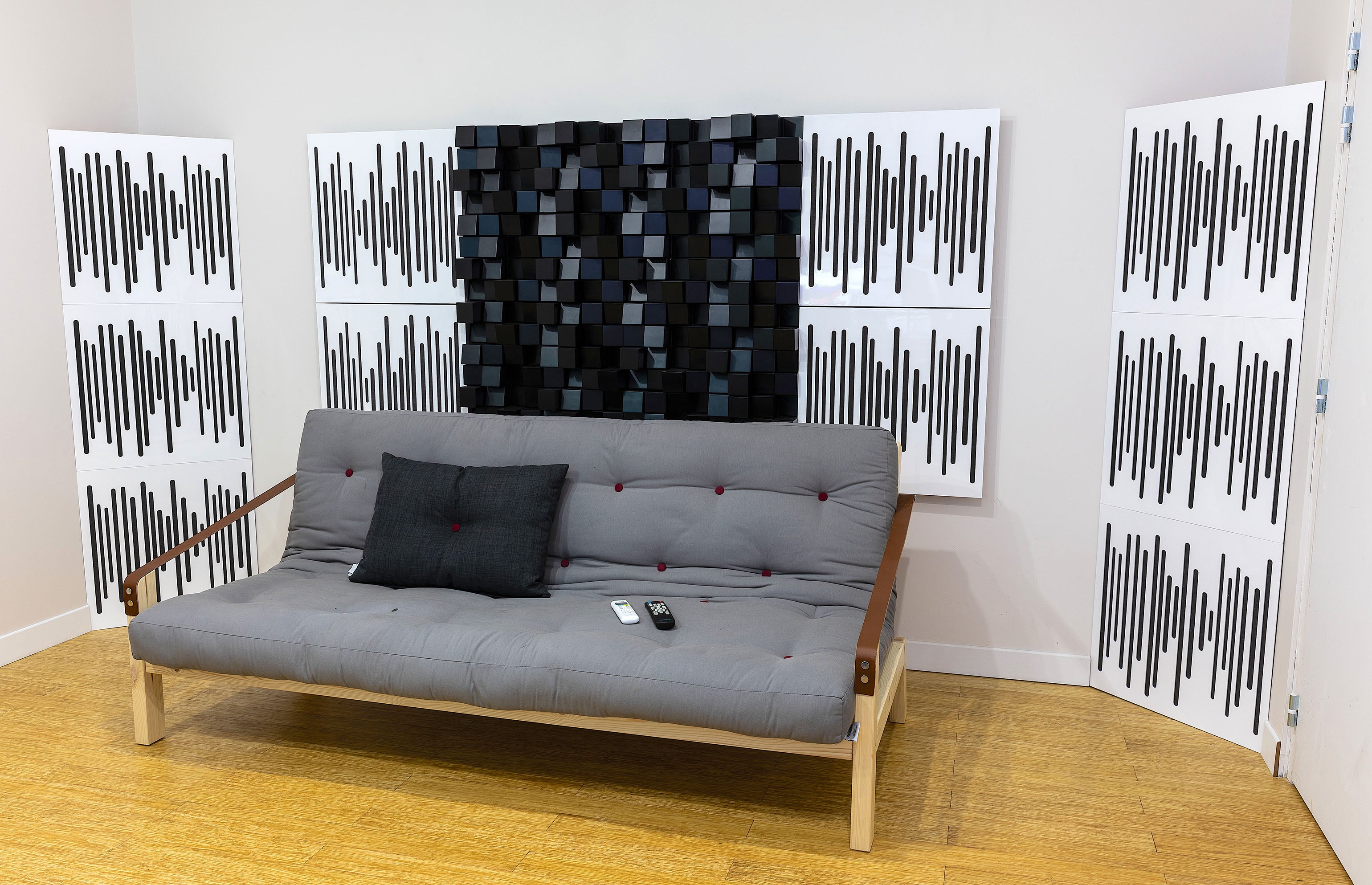
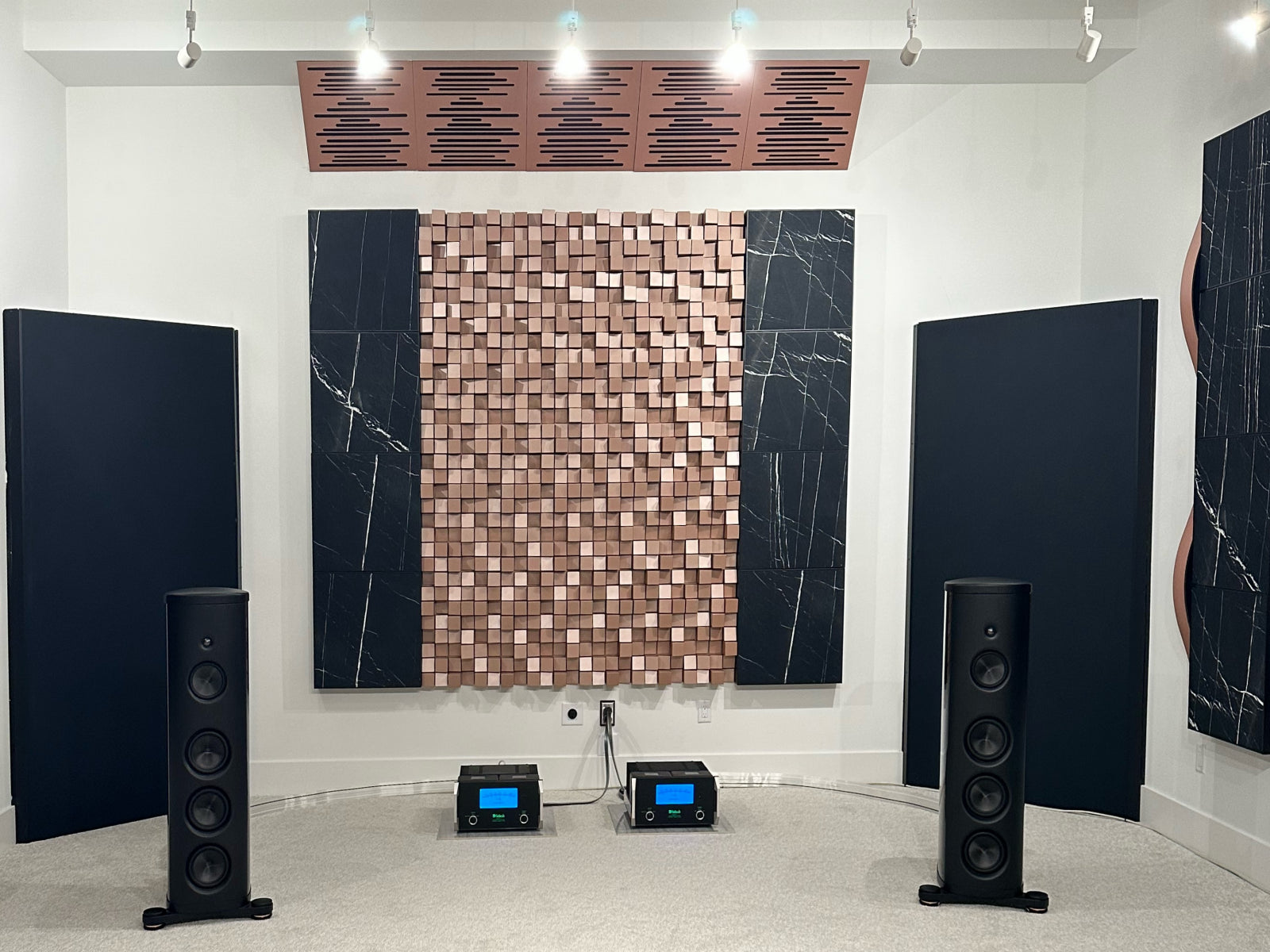
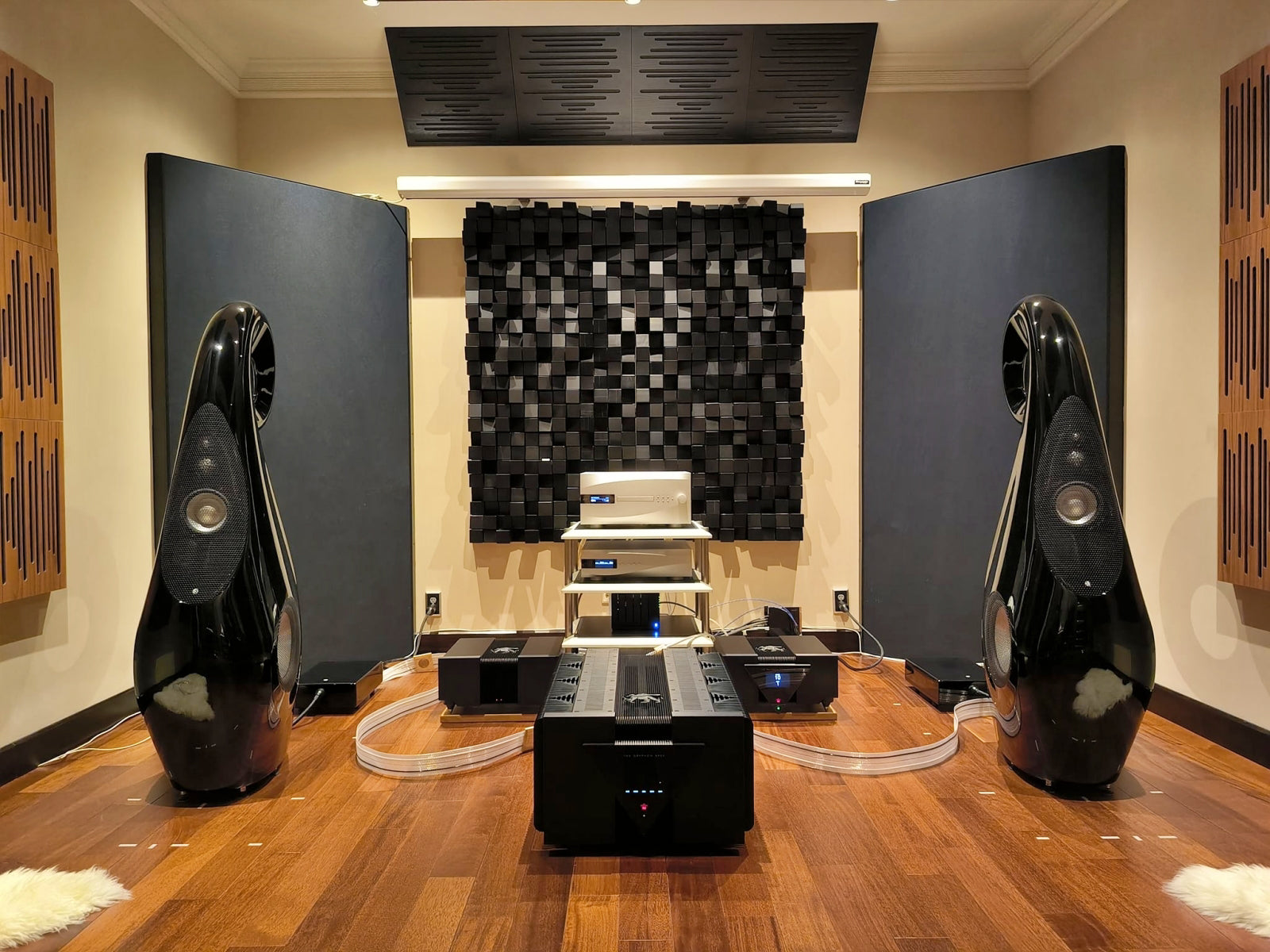
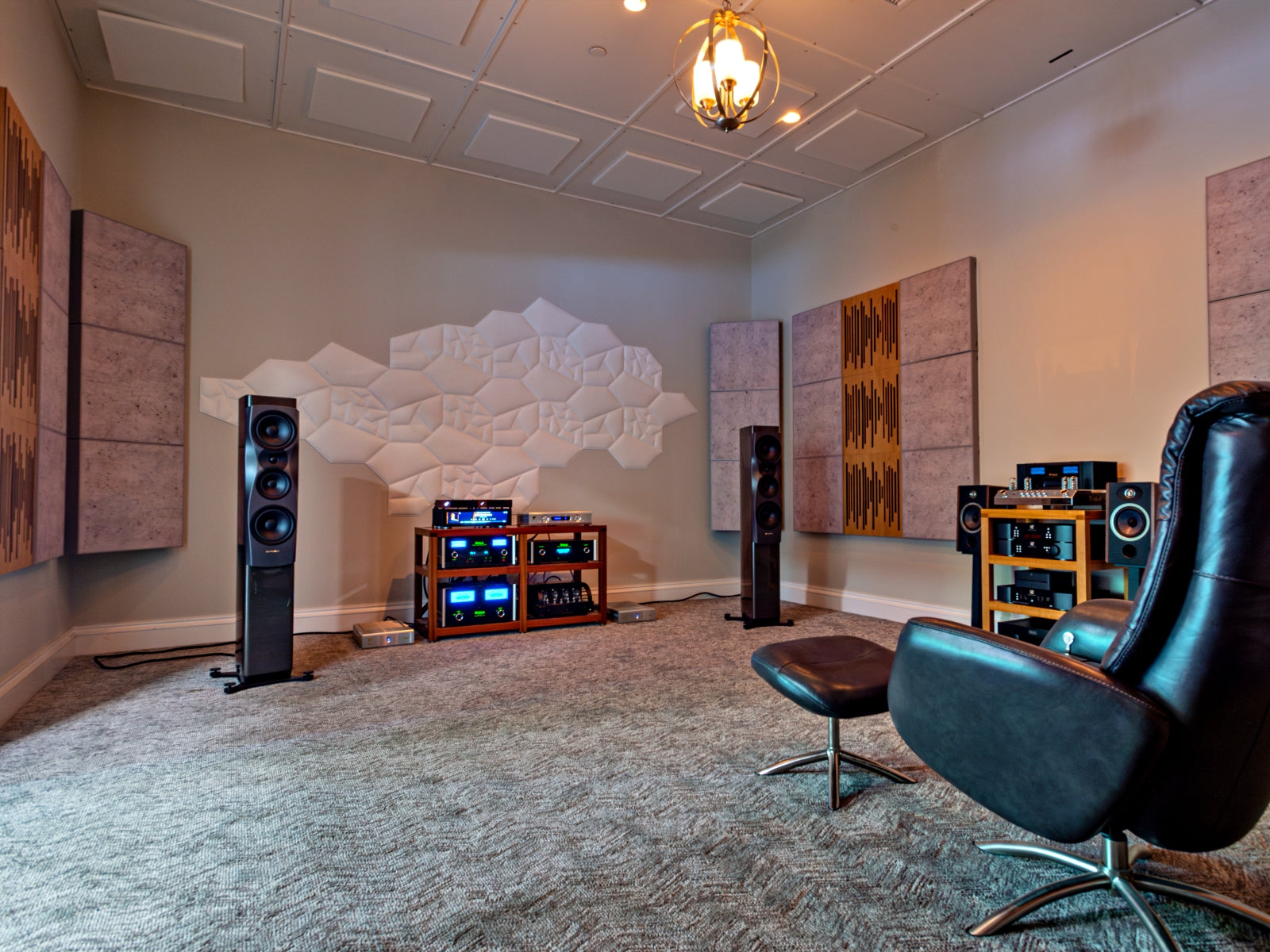
For this purpose, Multifuser DC4 is a reliable solution for rear wall application, helping scatter mid and high-frequency reflections and support a more balanced listening environment. For studios that require a diffuser with a more premium visual finish, Multifuser Wood MKII offers a distinctive alternative widely used in professional audio spaces.

Hybrid Panels: Absorption and Diffusion in One Solution
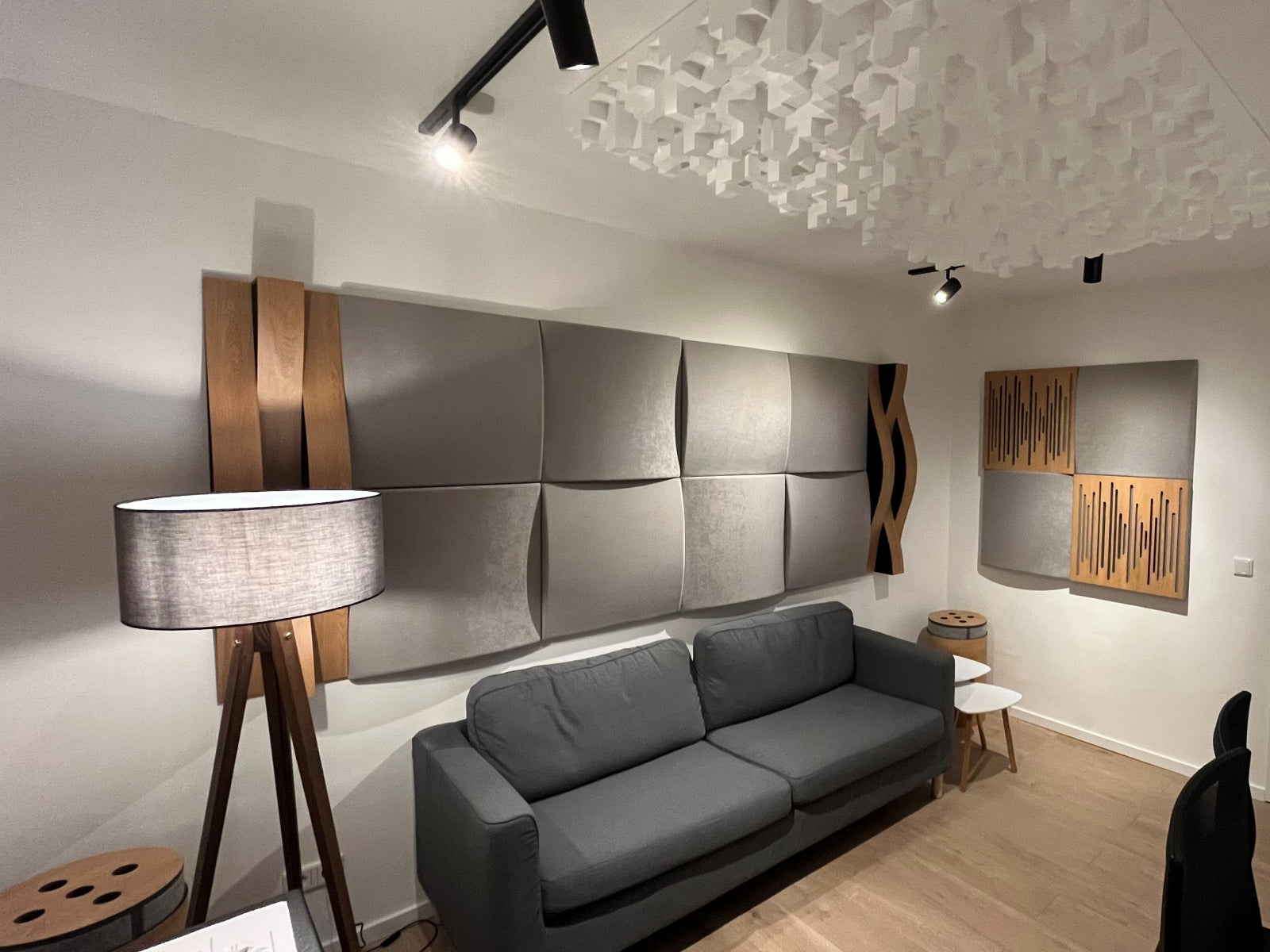
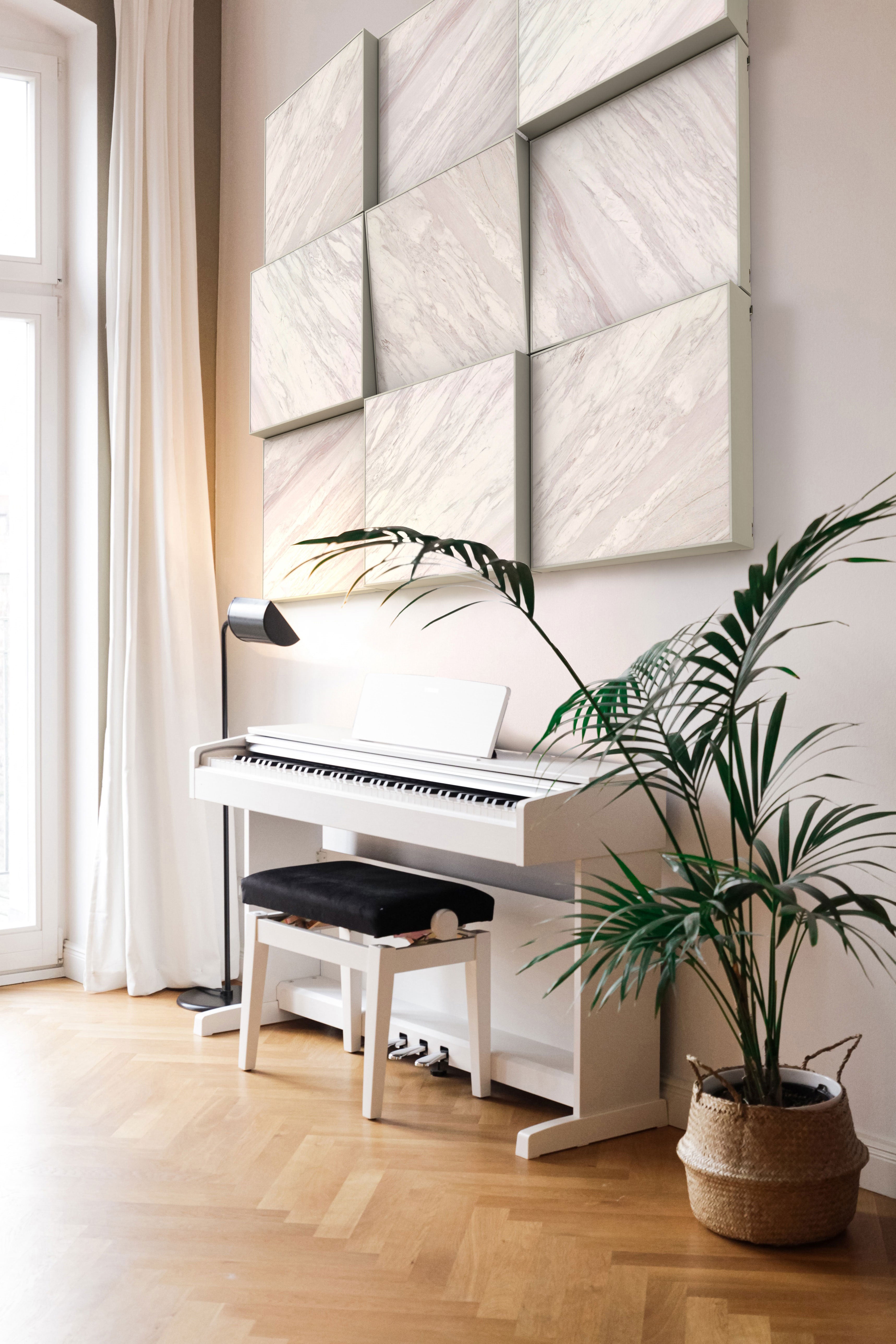
Some surfaces require both control and character. Hybrid panels make that possible by combining absorption with a more articulated surface response, helping manage reflections without making the room feel overly treated.
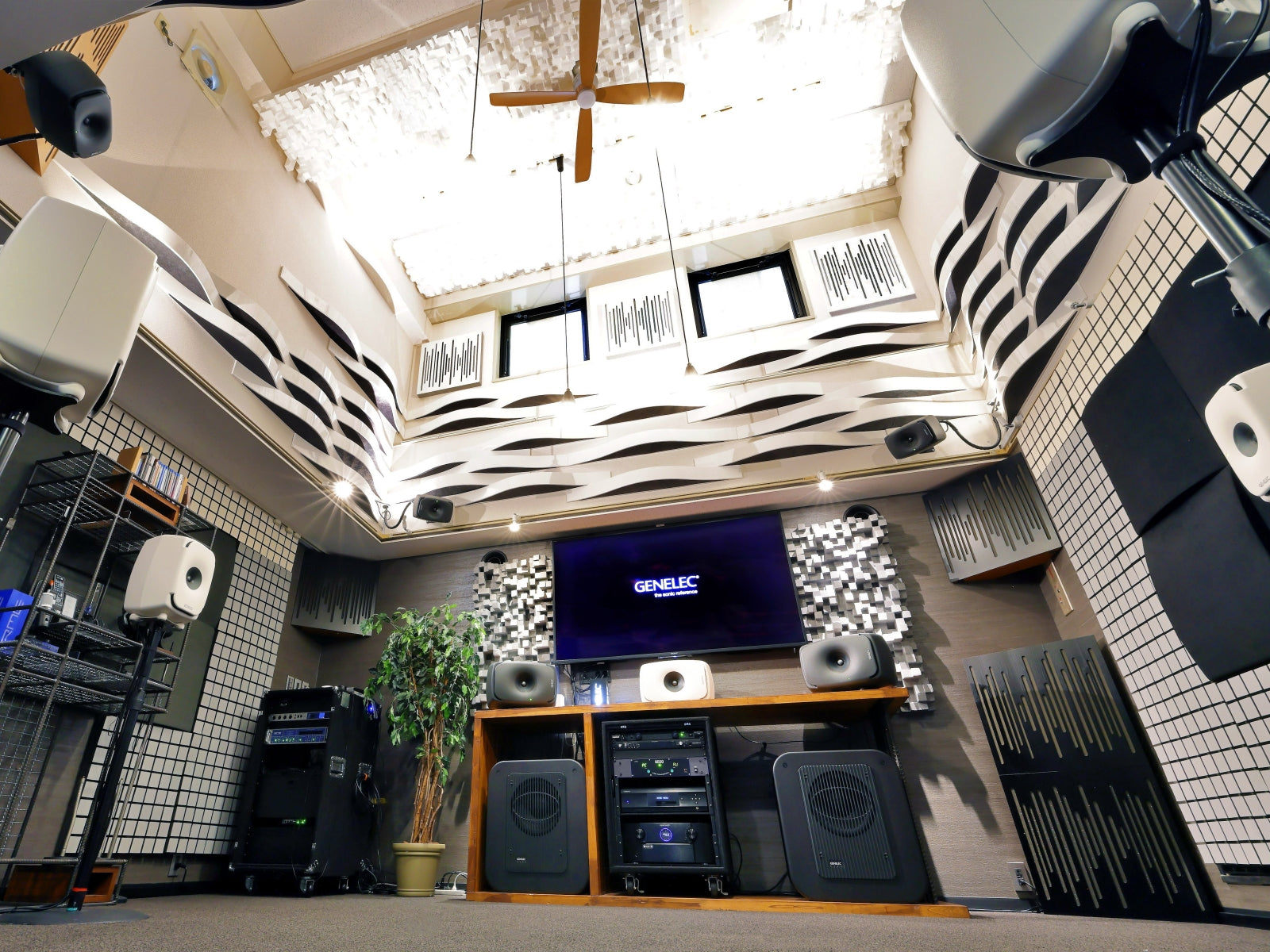
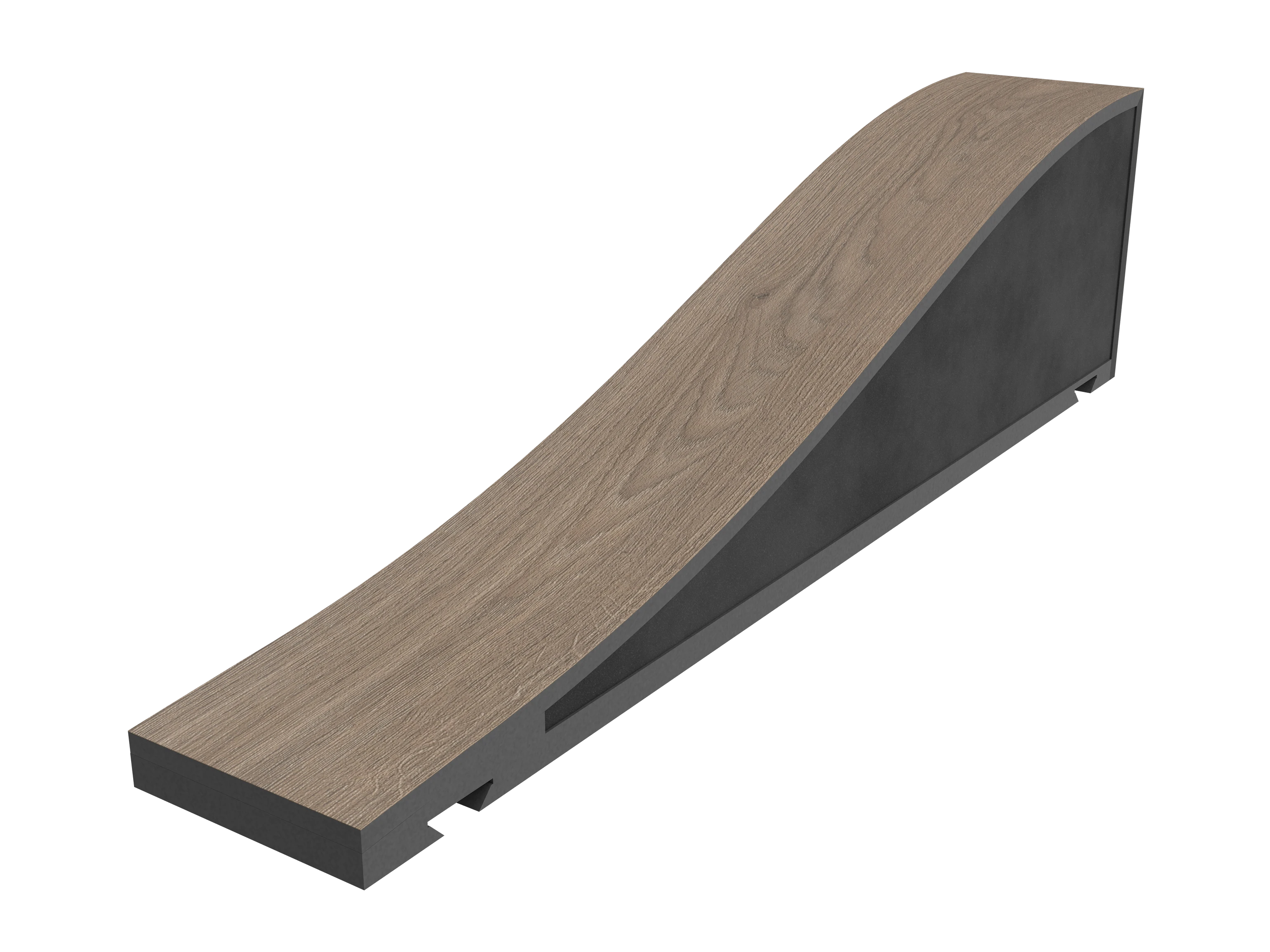
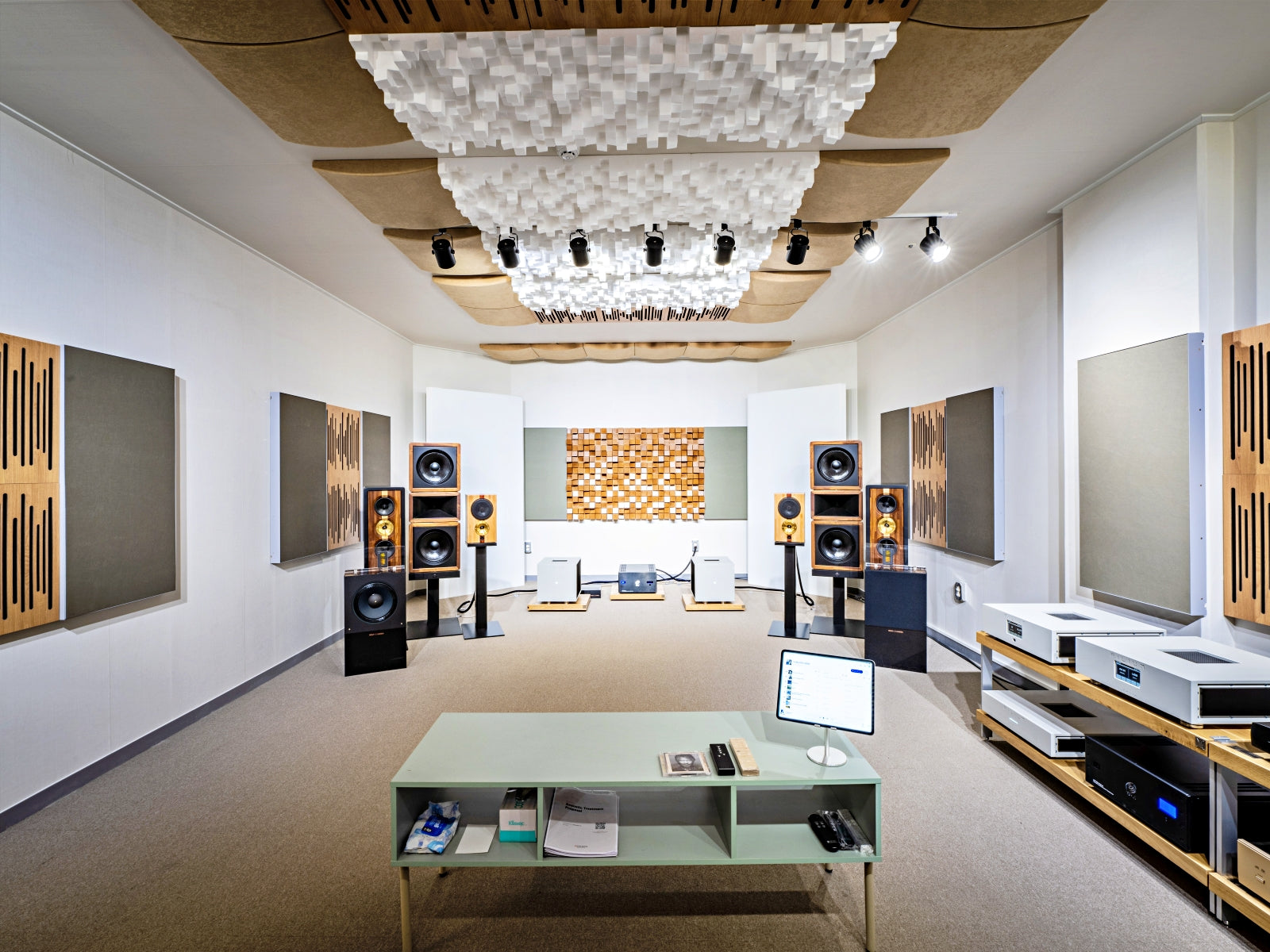
Flexi Wave Ultra combines absorption with diffusion in a single panel, helping control the lower mids that often create muddiness in dense mixes while preserving a more natural room response.
Used thoughtfully, solutions like this help define the acoustic signature of a studio room, not by eliminating the room, but by shaping it to sound better.

Bringing It All Together
A well-performing recording studio is not created by adding treatment at random. It comes from balancing low-frequency control, absorption, and diffusion in a way that supports accuracy, clarity, and a more natural listening experience. When these elements are combined with intention, the room becomes a tool you can trust - not just a space filled with equipment.
For professionals who want to go beyond product selection and better understand the acoustic principles behind studio treatment decisions, education can be the next step.
Learn Room Acoustics with the UniVicoustic Academy
Choosing the right acoustic panels is only the first step. Understanding the physics behind them - how sound behaves in enclosed spaces, how rooms interact with measurements, and how treatment strategies are applied in practice — is what takes results to the next level.
The UniVicoustic Academy is a two-day training program led by Mário Inácio, Senior Acoustician and Technical Director at UniVicoustic. The course explores sound behaviour in enclosed spaces, acoustic treatment strategies, and practical acoustic measurement demonstrations.
14th edition: July 14–15, 2026 · Paços de Ferreira, Portugal

Share:
5 Ways to Fix Restaurant Noise Problems
UniVicoustic at Milan Design Week 2026